



Monuments, Mysteries & Sacred Places
Starseed Türkiye Adventure 2026 brought us to some of the most significant archaeological and spiritual sites in the world. From museums and ancient cities to sacred landscapes shaped by thousands of years of human presence, these places invited us to slow down and listen.
Deep time has a way of changing perspective.
At Göbekli Tepe, Karahantepe, Priene, Ephesus, and beyond, the invitation was to become more present. The deeper the presence, the more the land seemed willing to reveal.
Gallery One explored shared tables, unexpected kindness, and the human side of the adventure. Gallery Two journeys into the monuments, mysteries, and ancient landscapes that called us here.
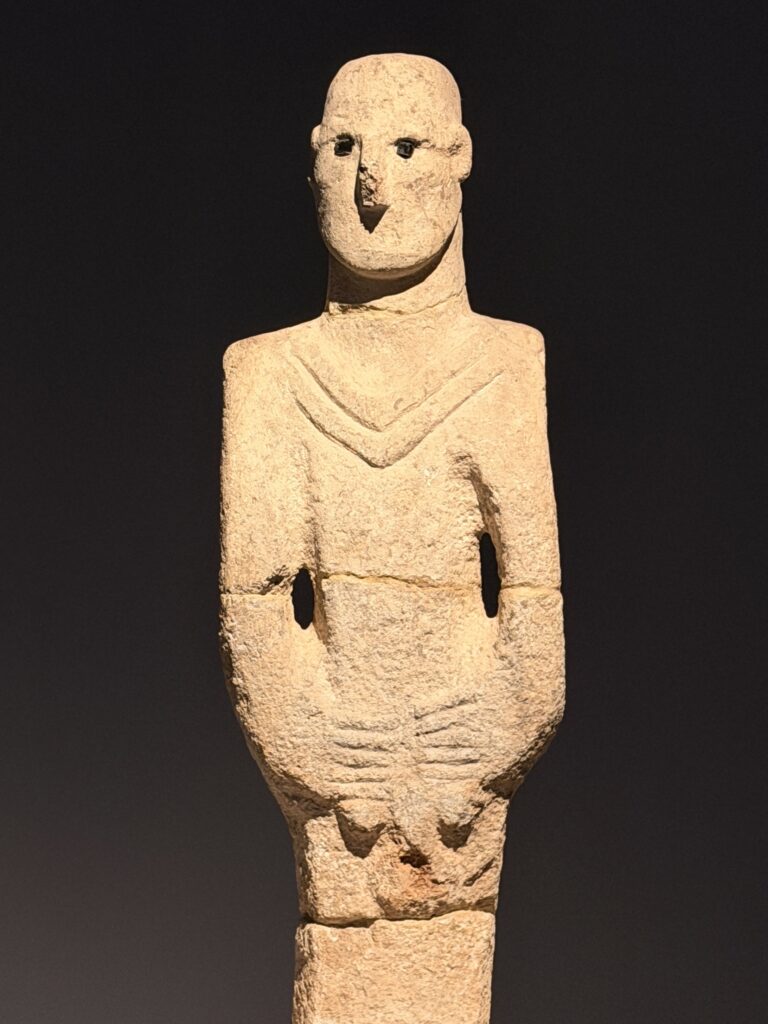
Deep Time
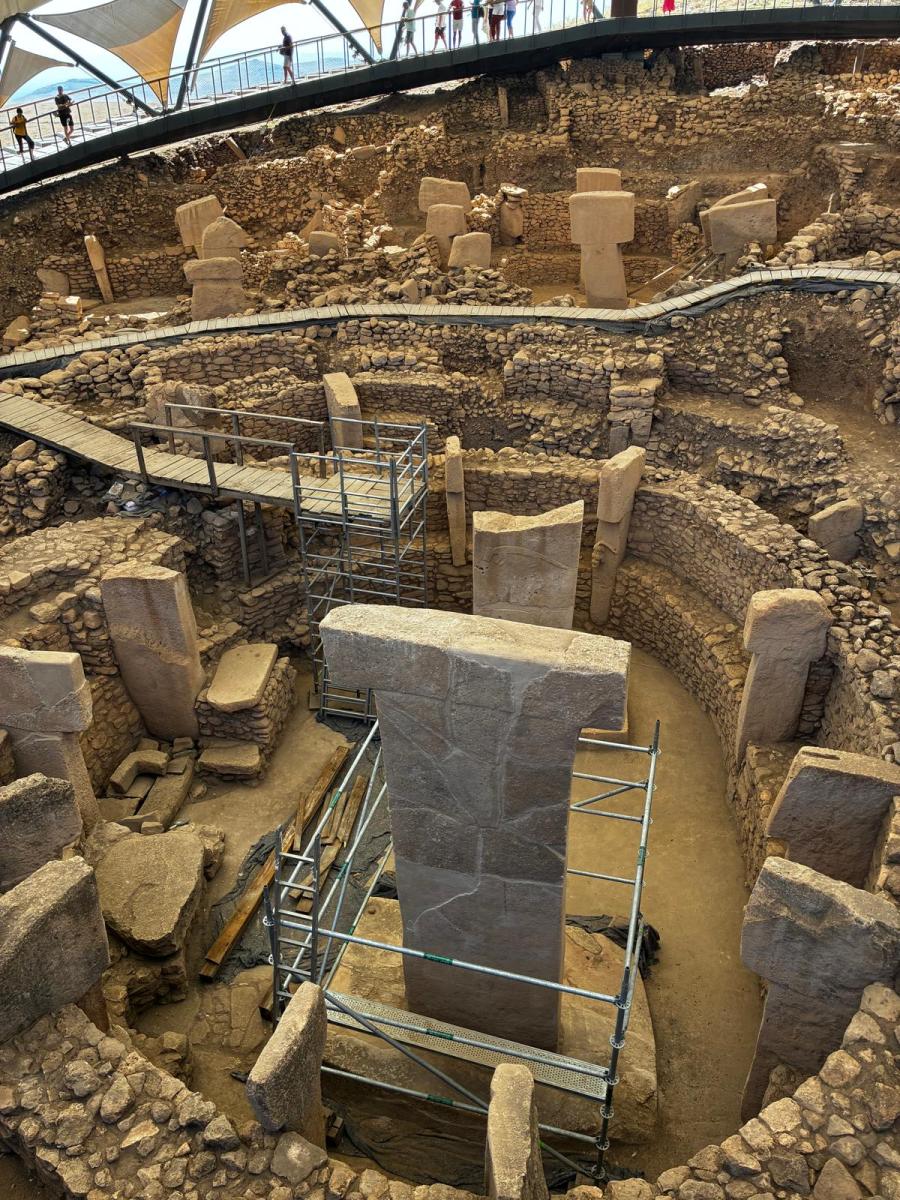
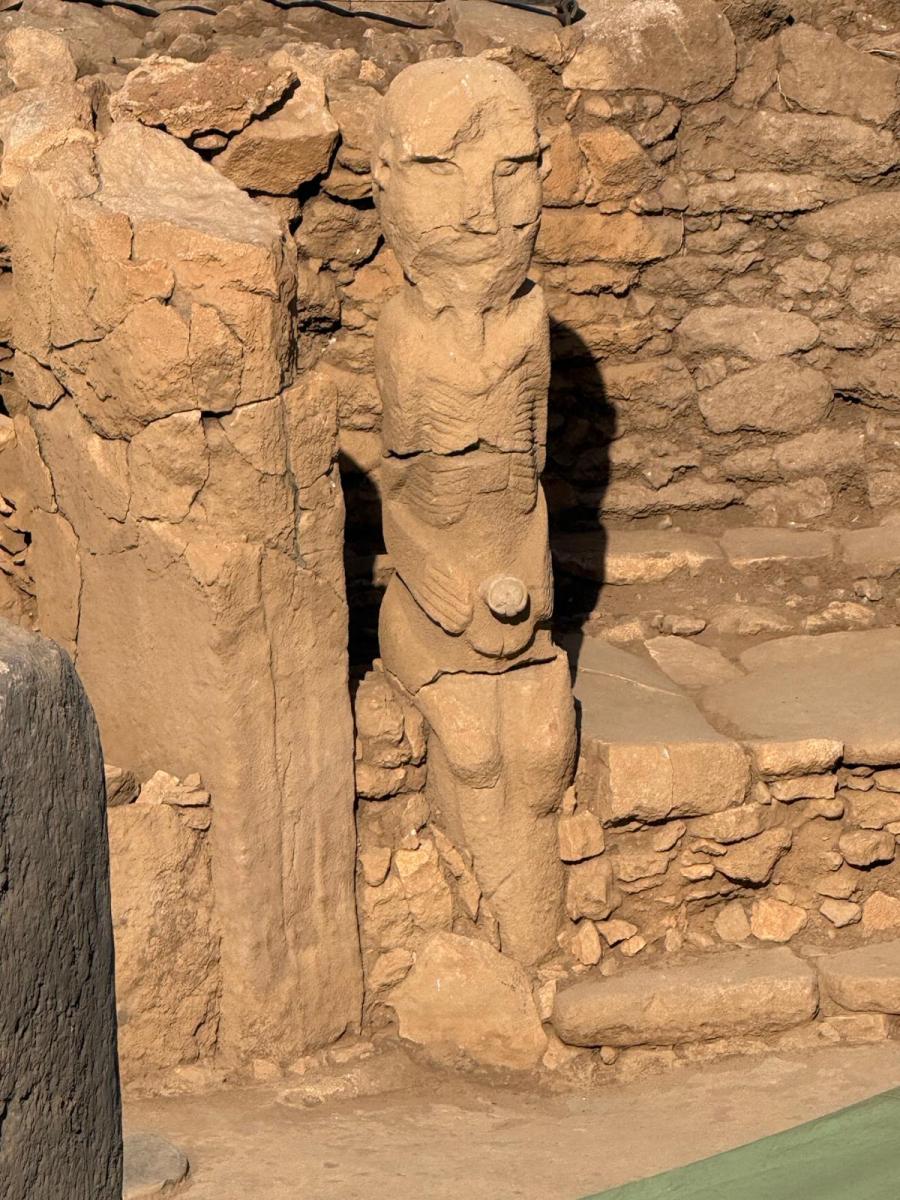
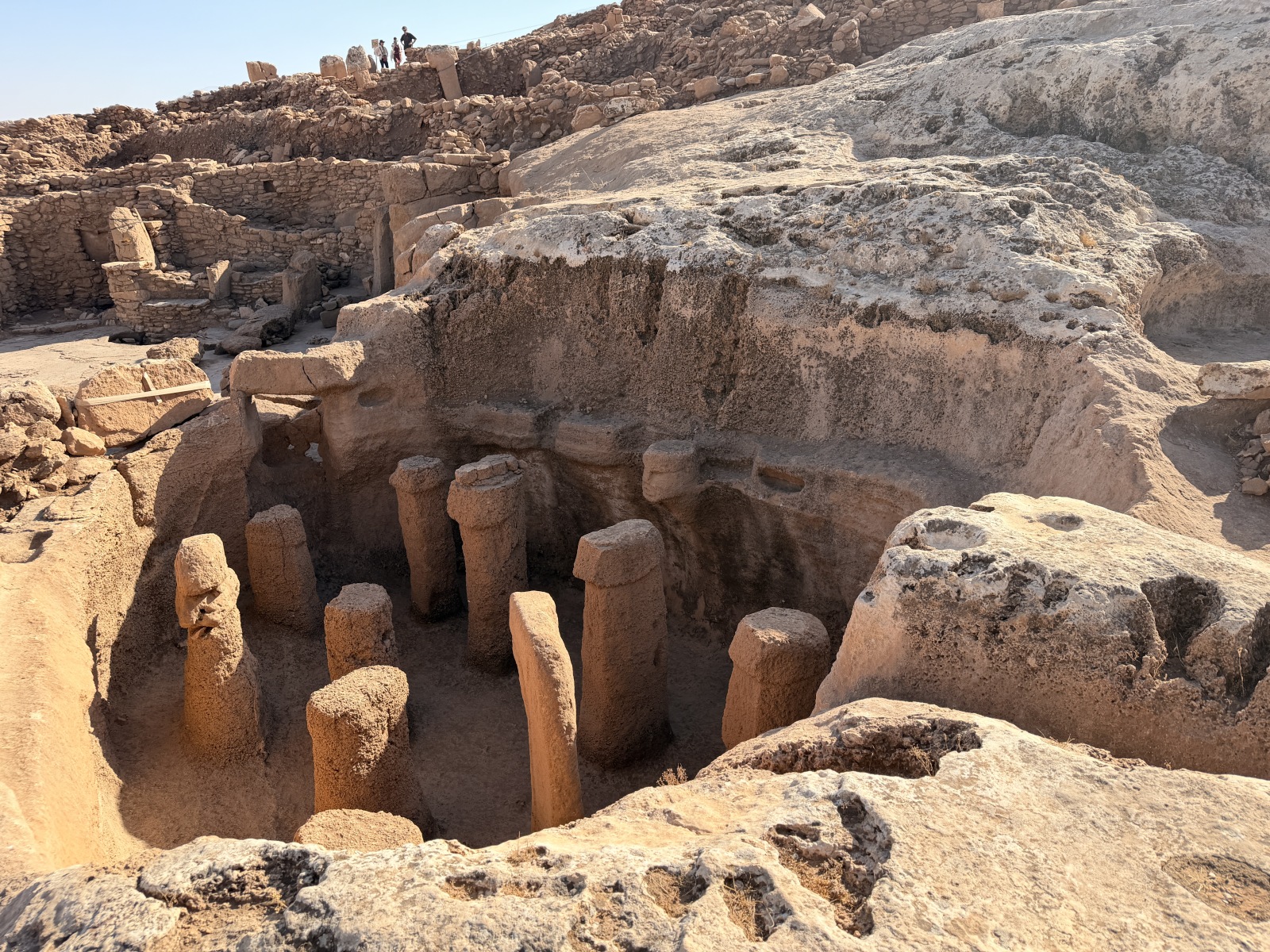
Göbekli Tepe and Karahantepe invite a different relationship with time.
These are places that challenge conventional narratives about human history, yet what stayed with me was not a theory or a timeline.
It was the invitation to become present.
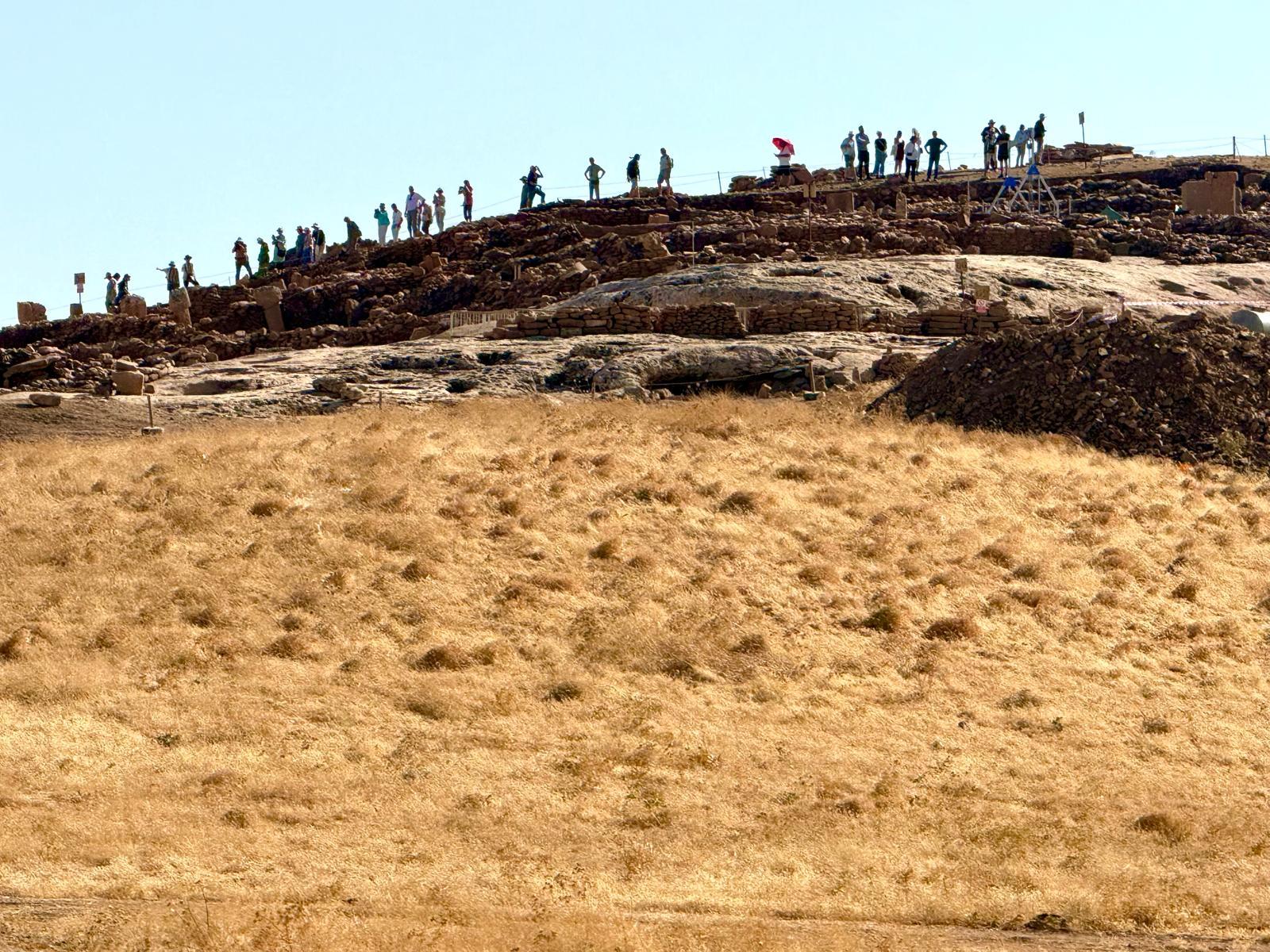
Tour groups arrived, photographs were taken, and visitors moved through the site in a steady rhythm. Yet the longer I remained, the more something else emerged.
Deep time.
Not as an idea, but as a felt experience.
The mind naturally tries to understand. To measure. To interpret. Yet these places seemed to ask for something simpler. Stillness. Attention. Presence.
The more present I became, the more expansive time itself seemed to feel.
Deep time is not measured in years. It is experienced through presence.
Stillness at Karahantepe | Starseed Türkiye Adventure
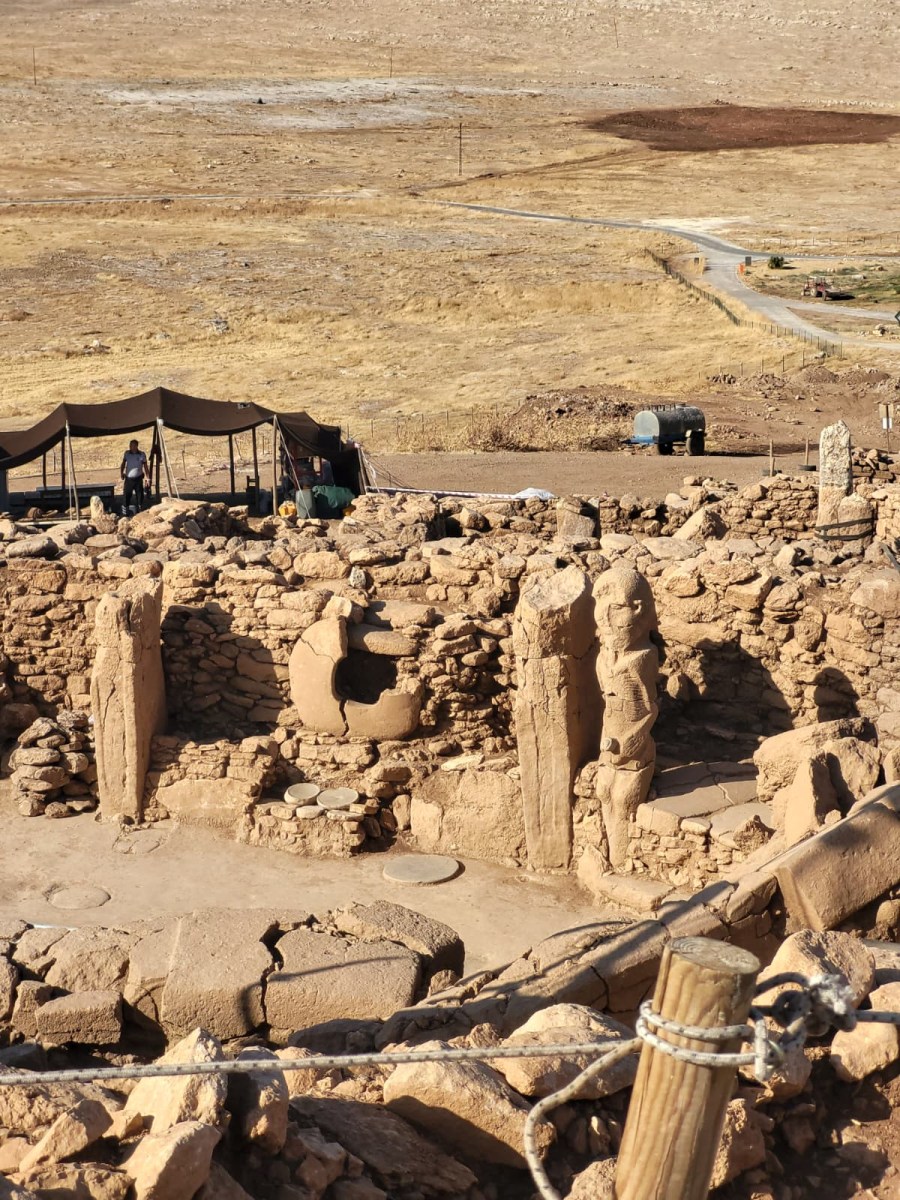
Karahantepe carried a different quality.
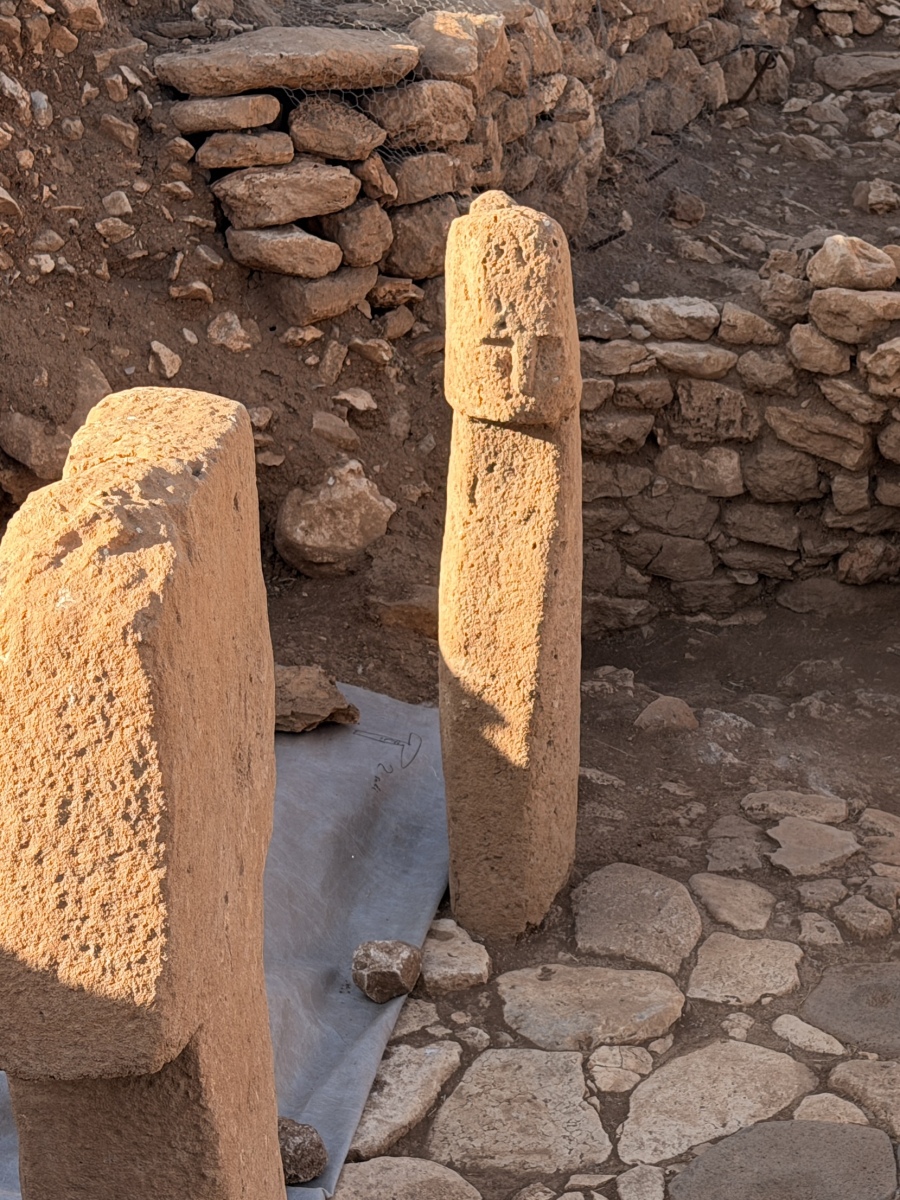
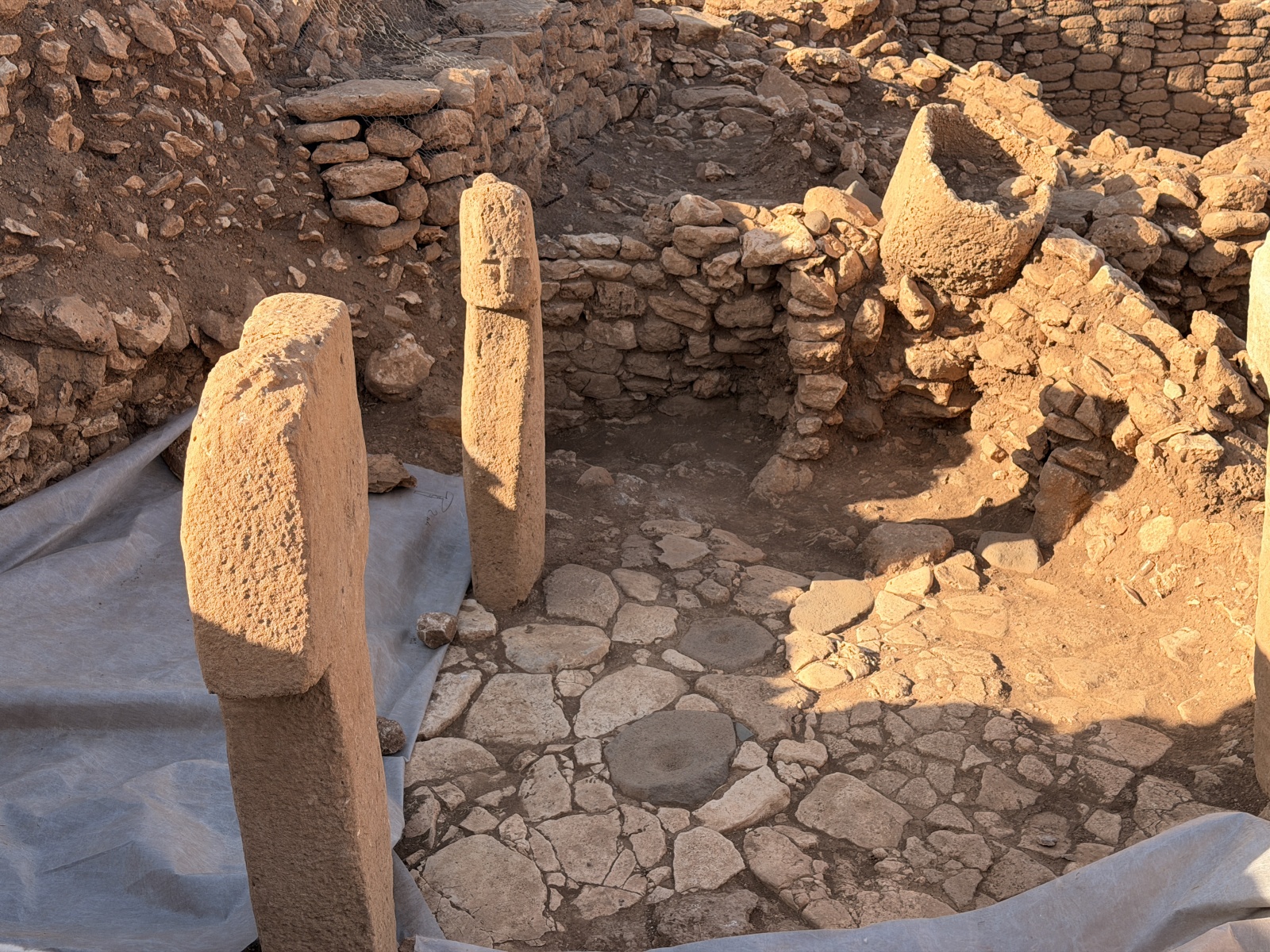
Where Göbekli Tepe expanded my sense of time, Karahantepe revealed a profound stillness. Beyond the excavations and discoveries, there was a quiet presence in the landscape itself.
Nothing demanded interpretation. Or required explanation.
A sense of stillness seemed to arise naturally from the land, inviting reflection and creating space for a different way of listening. In that stillness, many of us felt a quiet sense of community emerge.
After I had written this section, one of our Türkiye starseeds sent me a recent article from History.com discussing new research at Göbekli Type. Recent discoveries suggest the site may not have been solely a ceremonial gathering place, but a community where people lived their daily lives. Theories continue to evolve, reminding us that these ancient landscapes still have stories left to tell.
Perhaps that is part of their enduring power.
The deeper we look, the more they reveal.
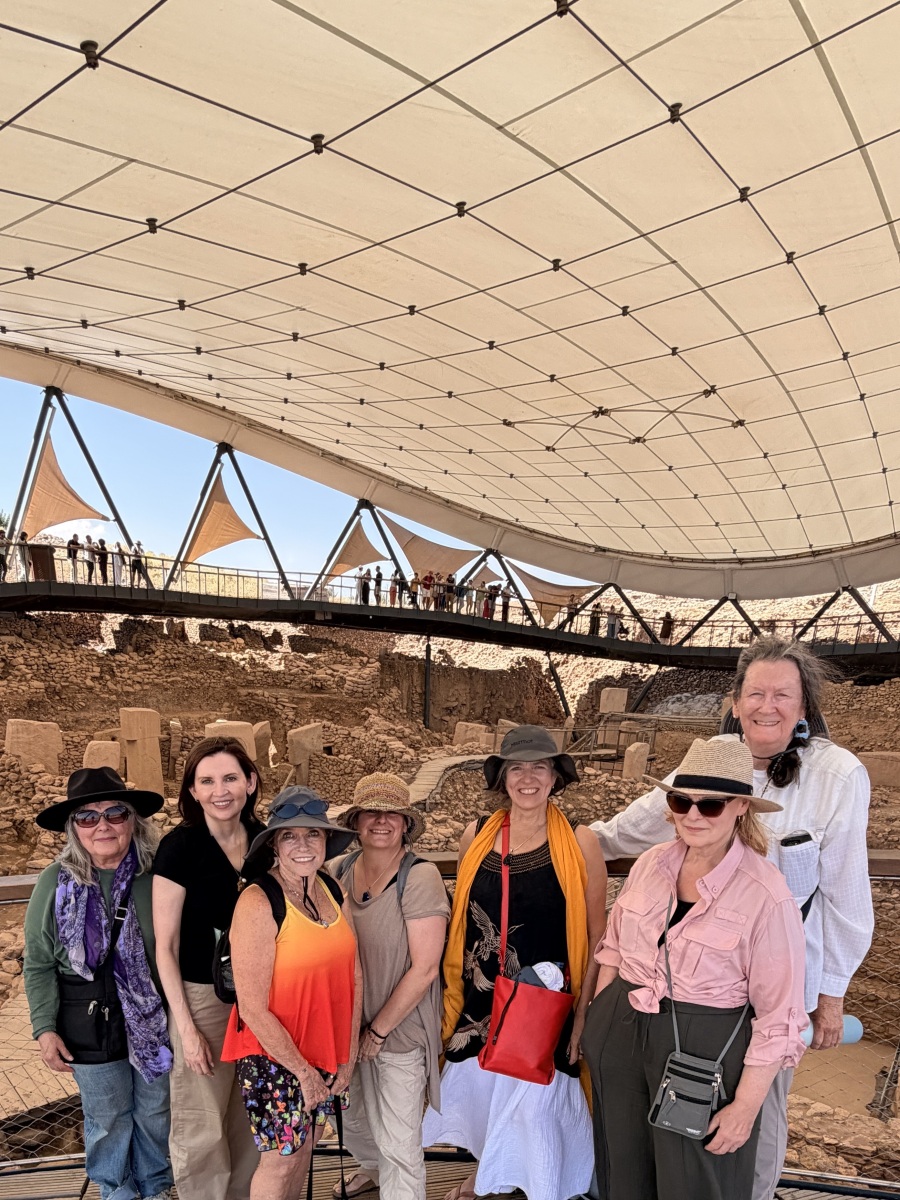
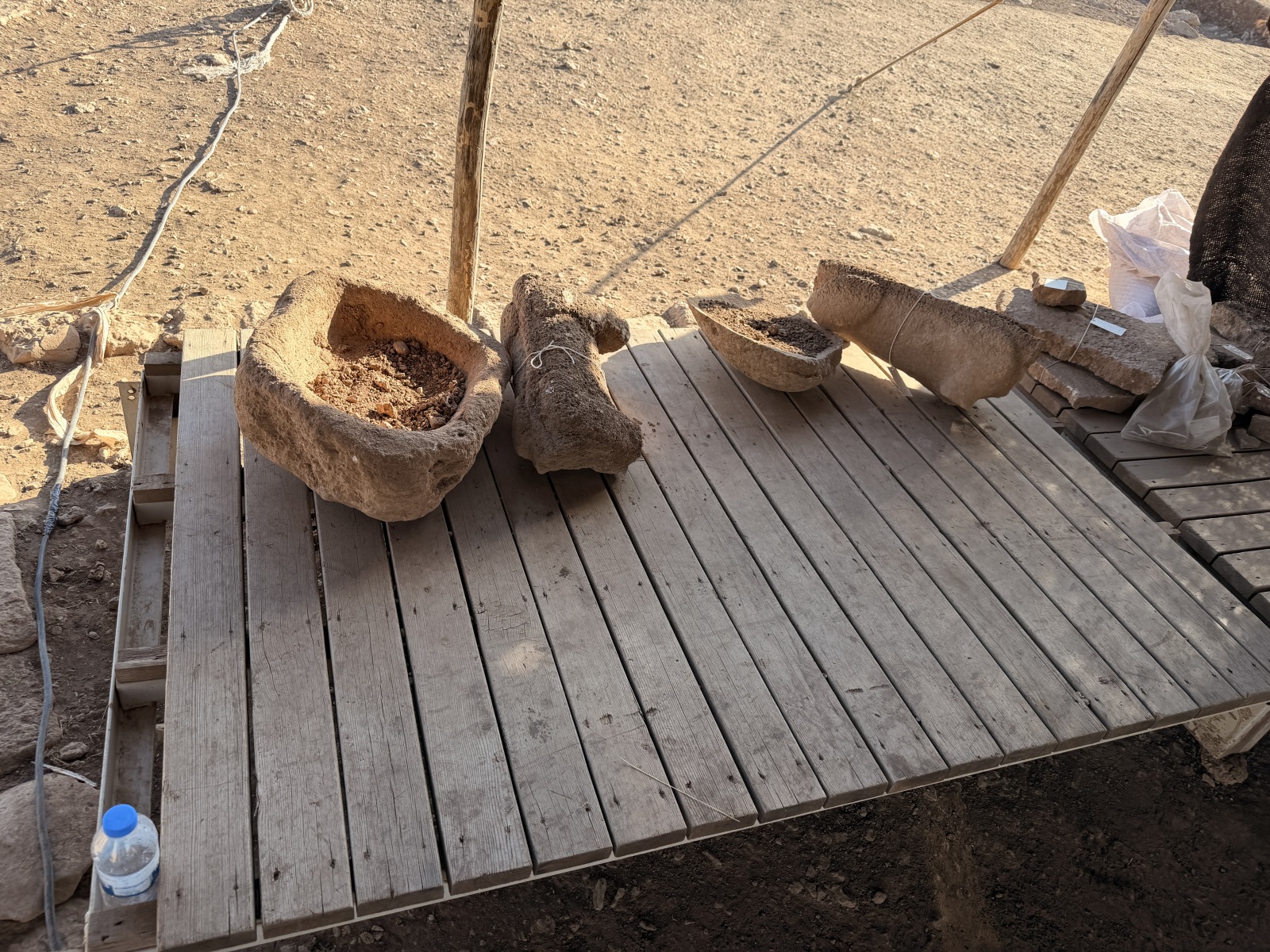
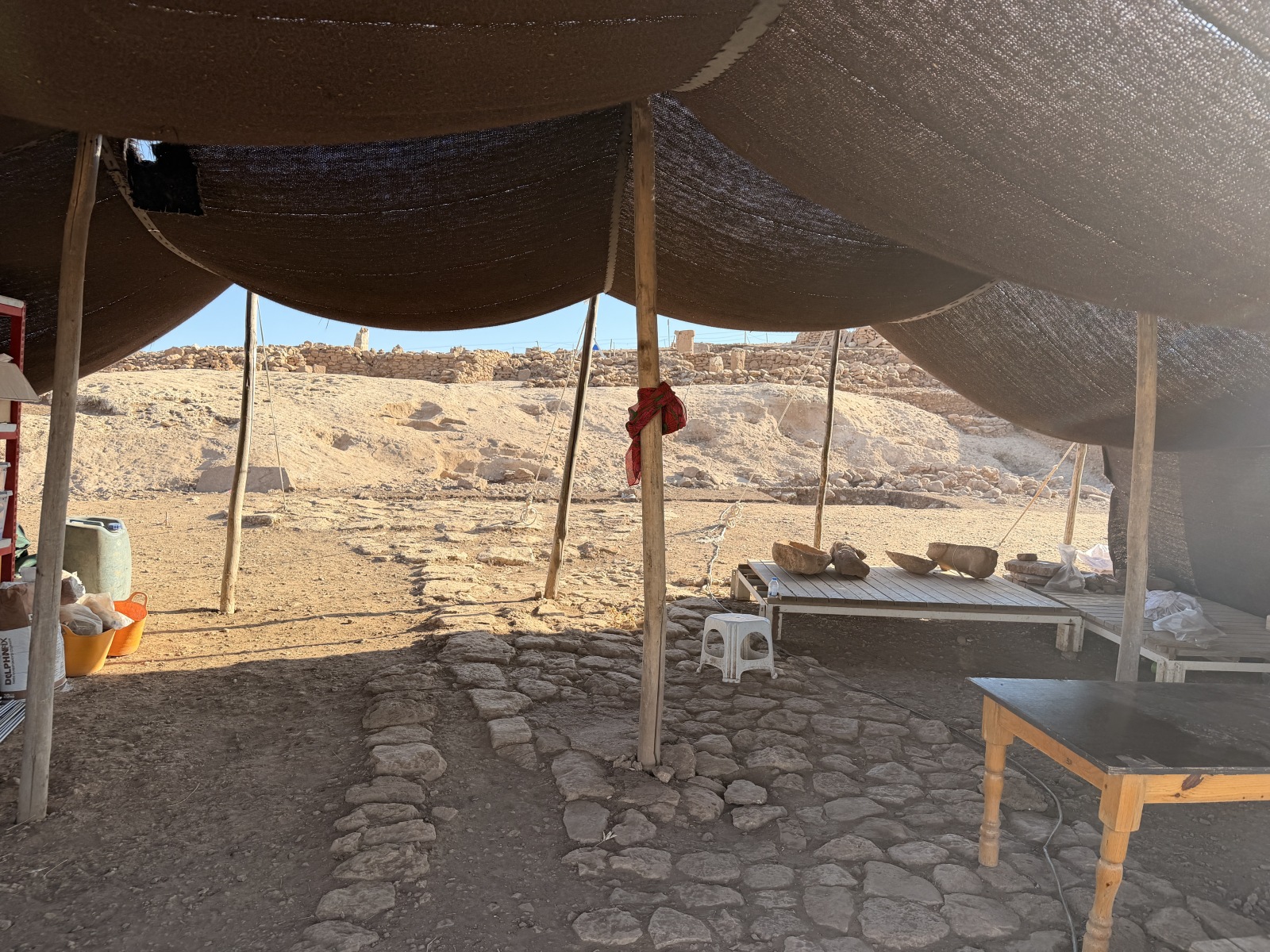
A few glimpses from Şanlıurfa Museum, Göbekli Tepe, and Karahantepe.
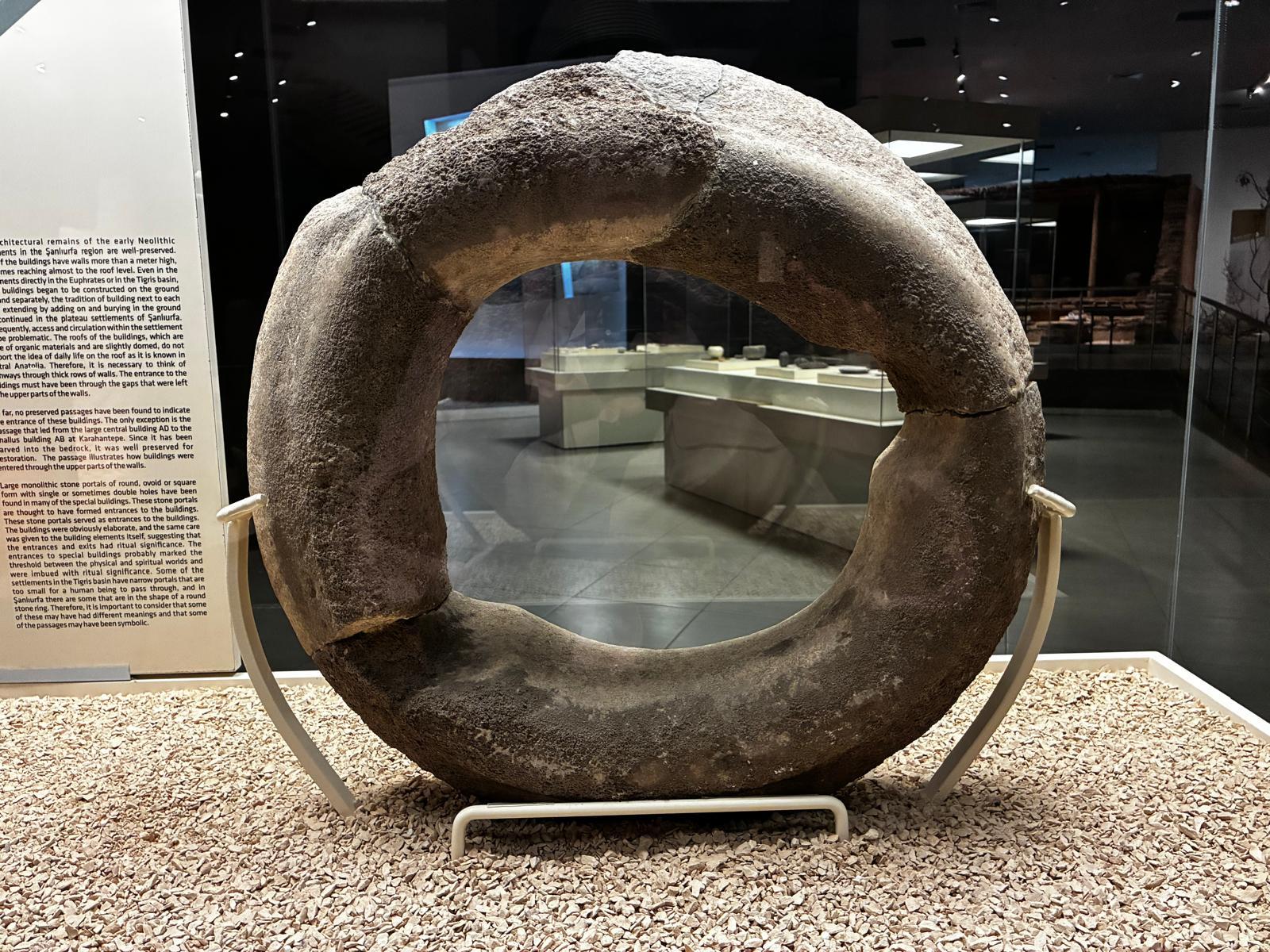
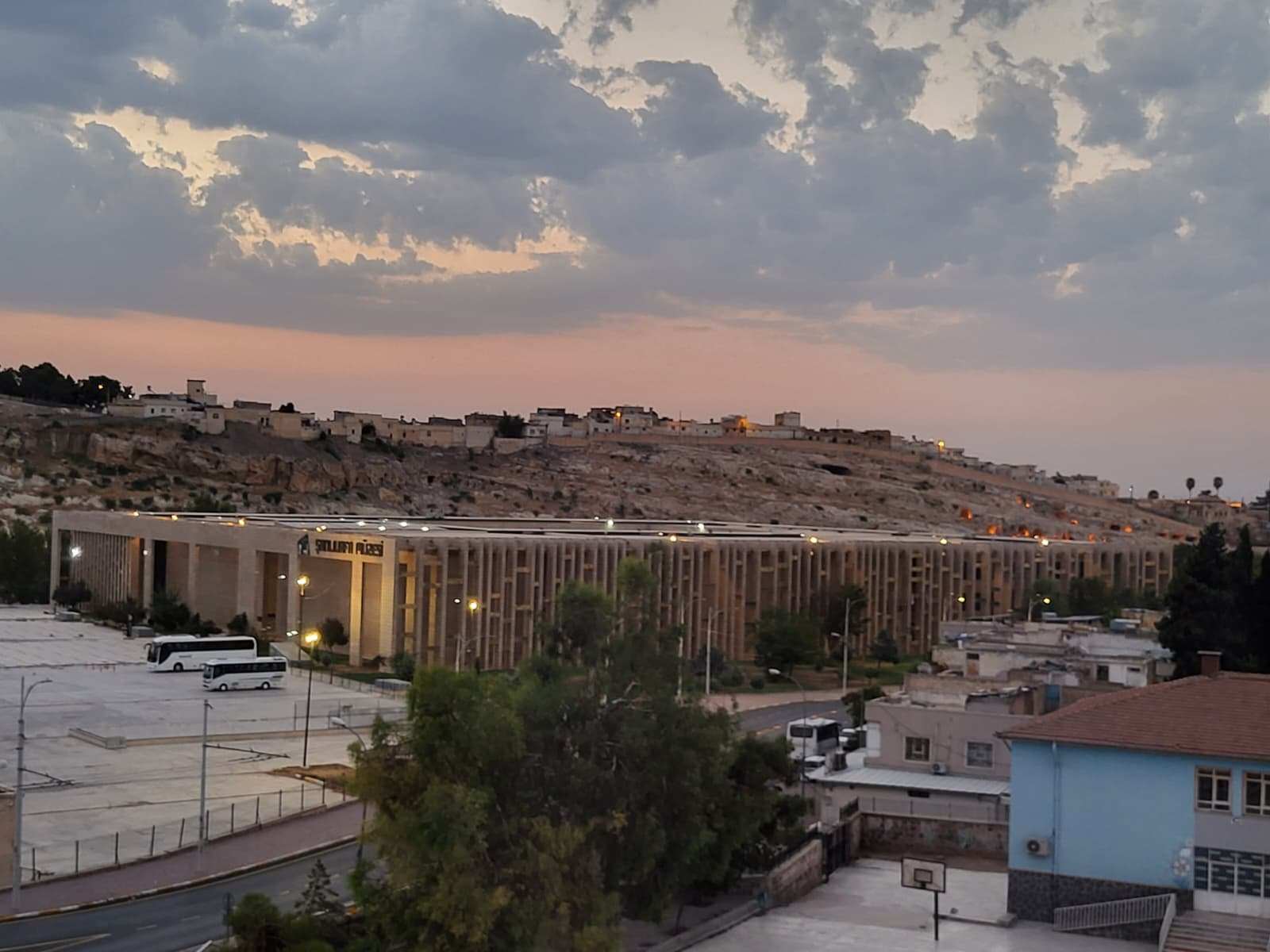
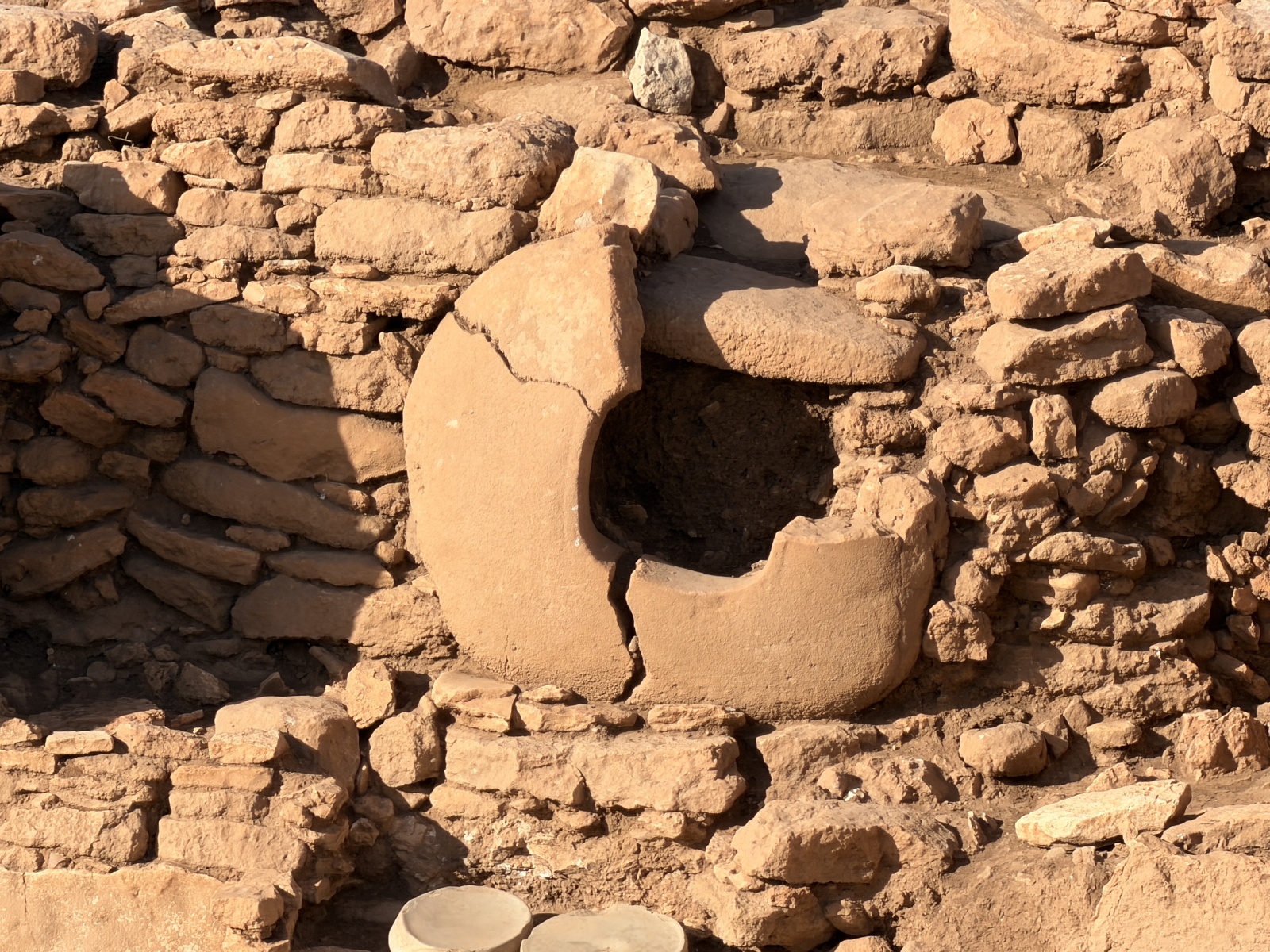
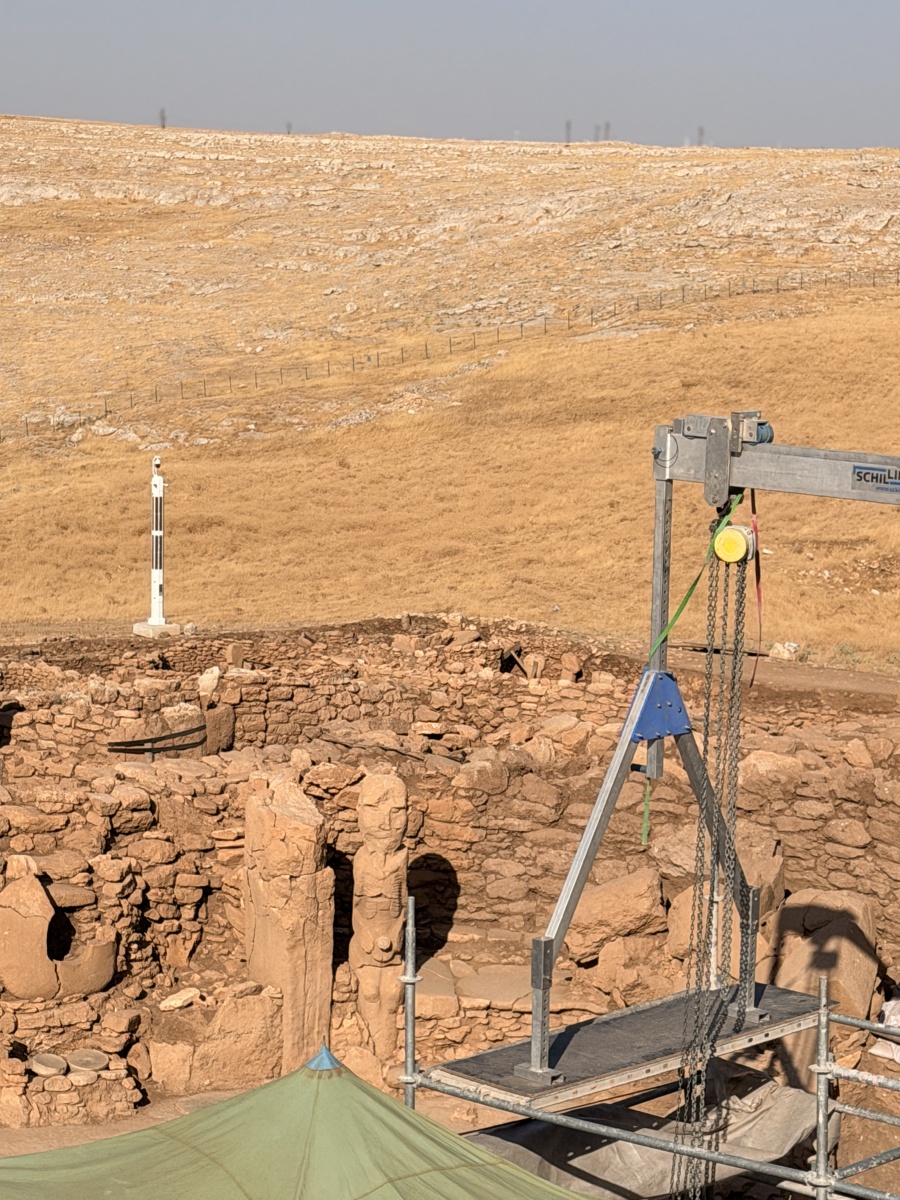
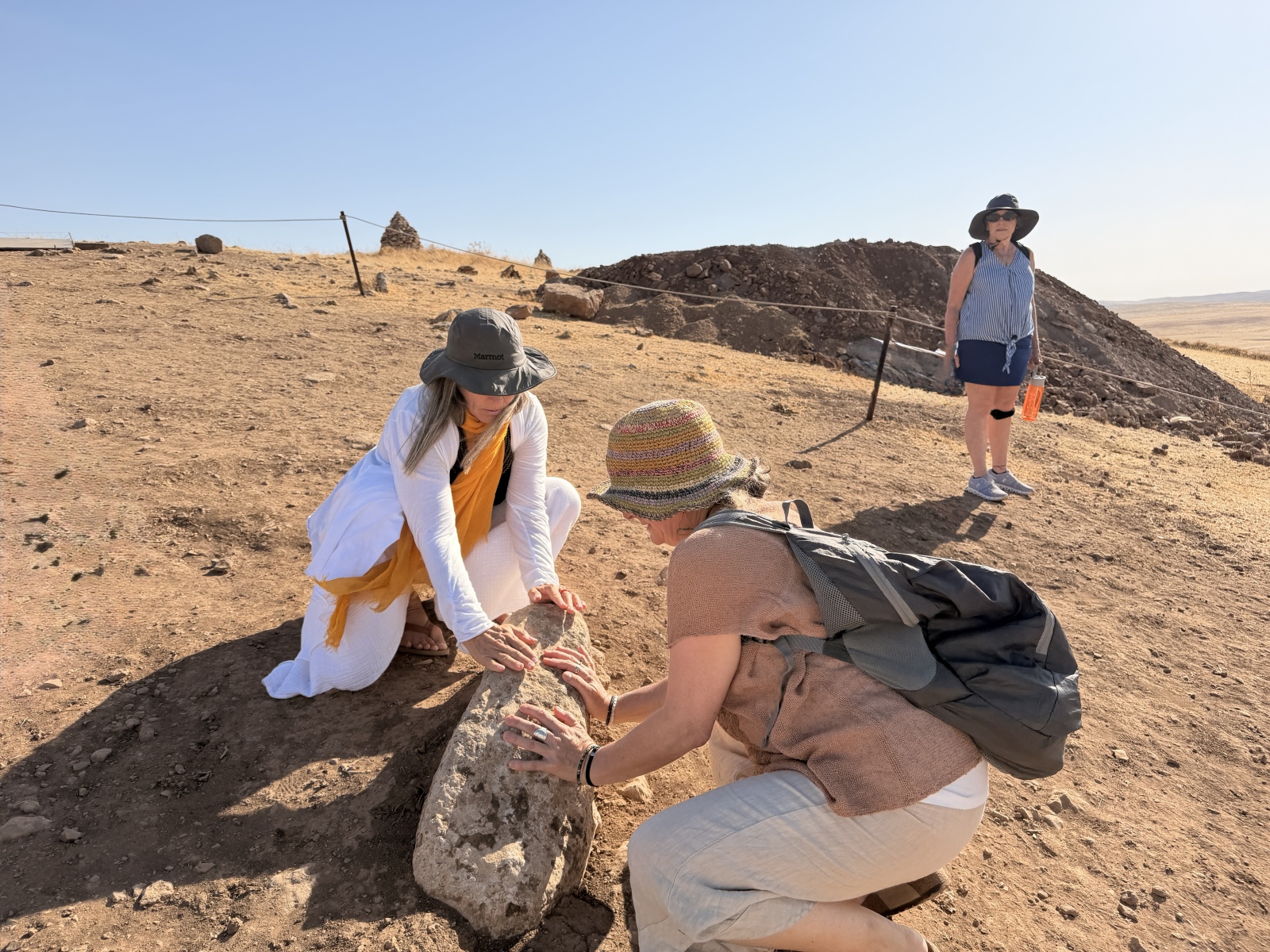
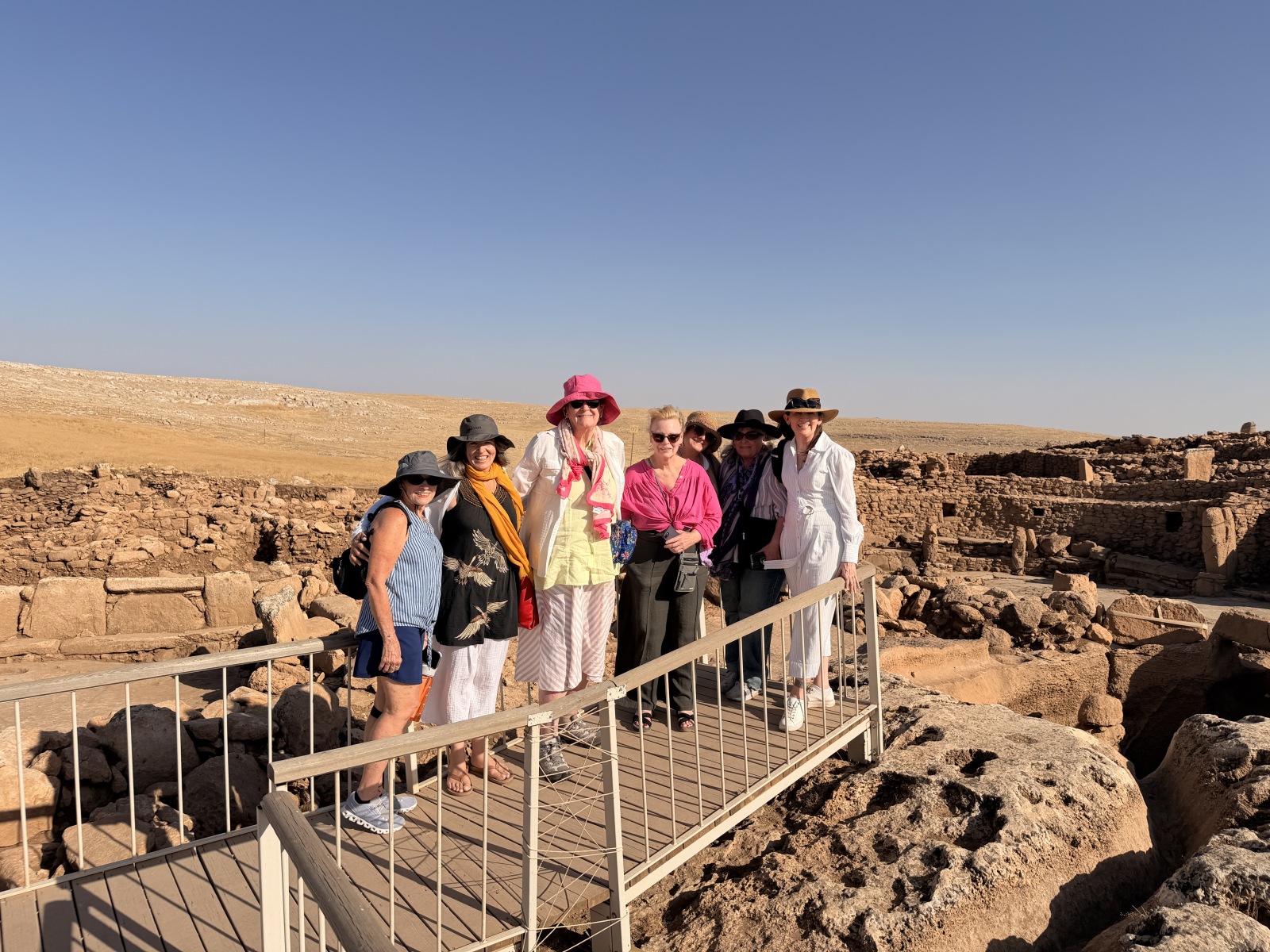
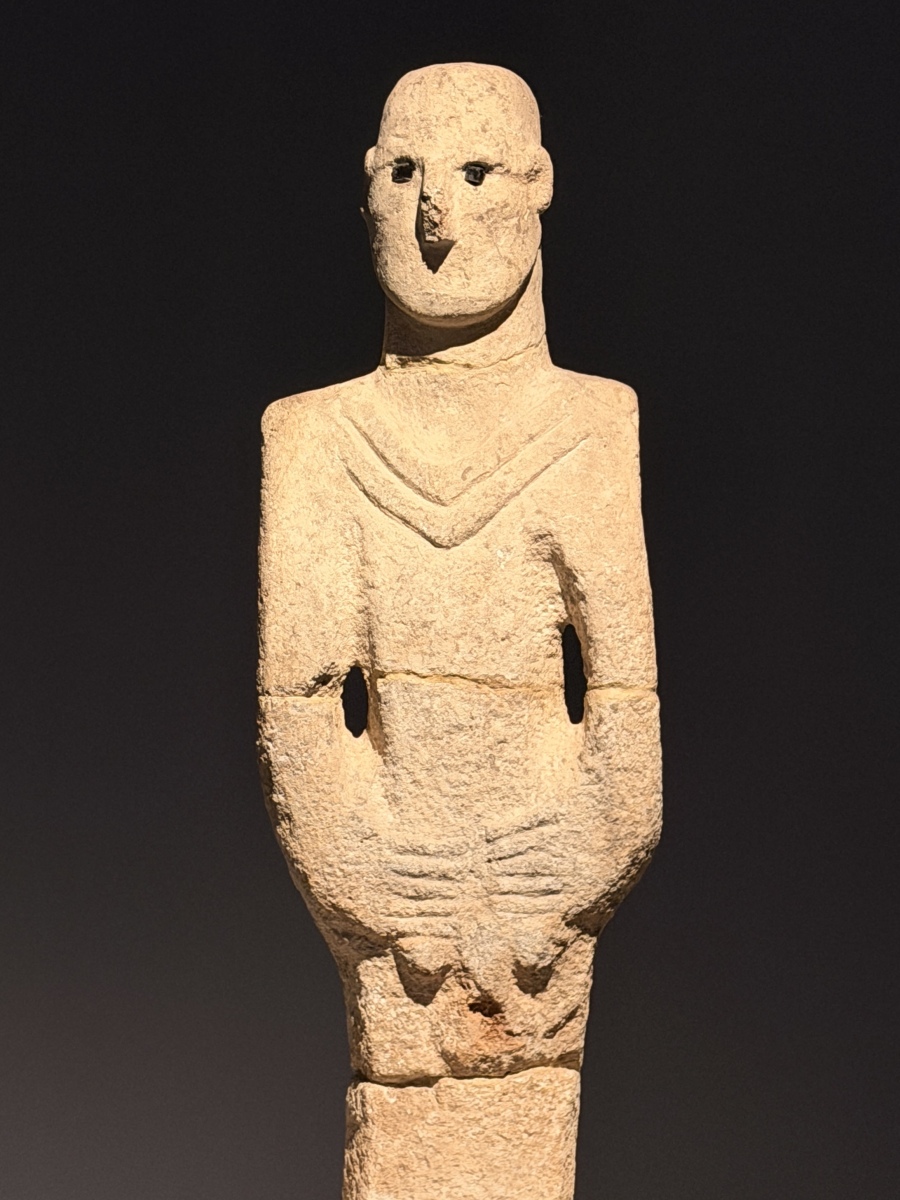
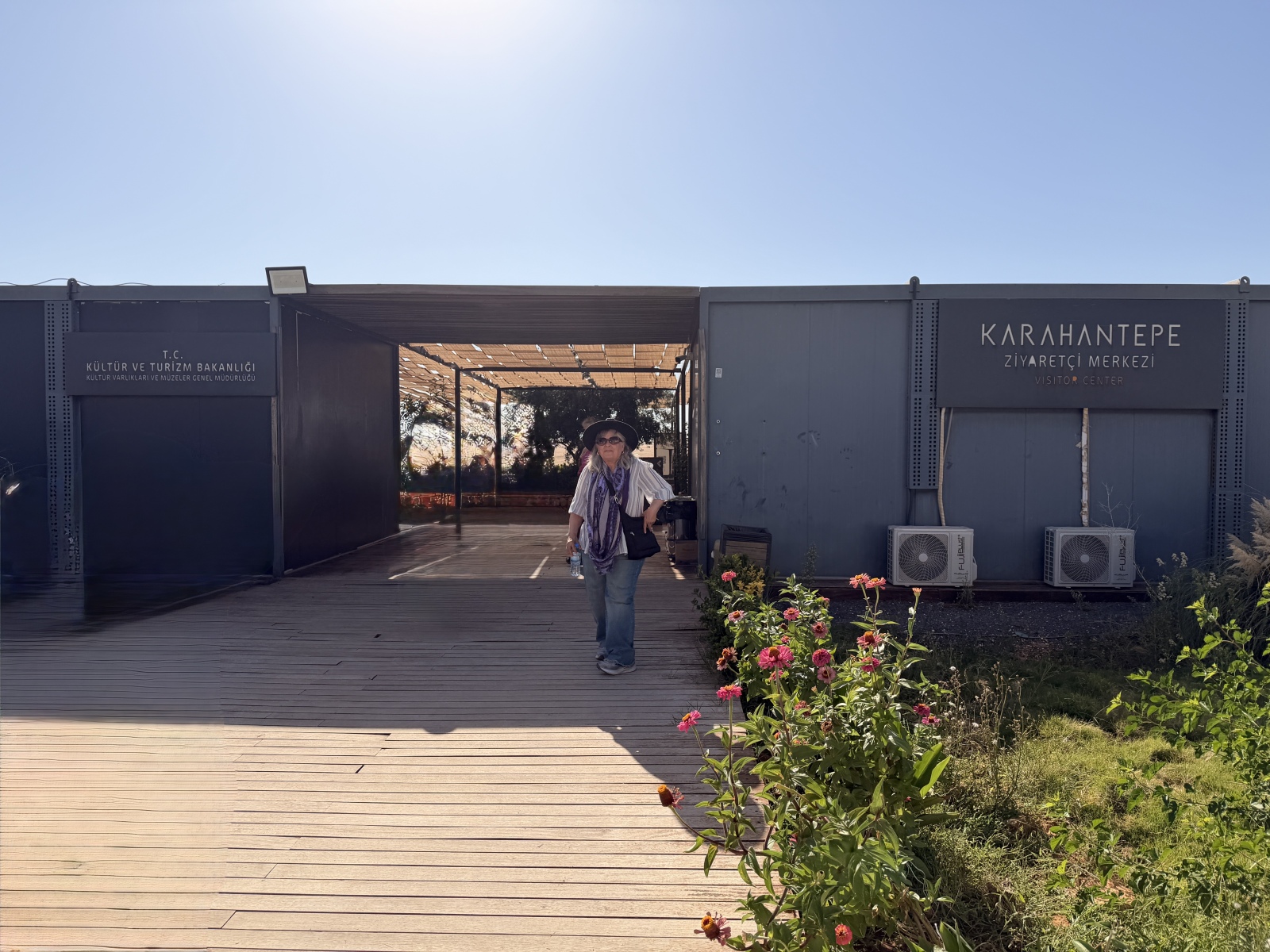
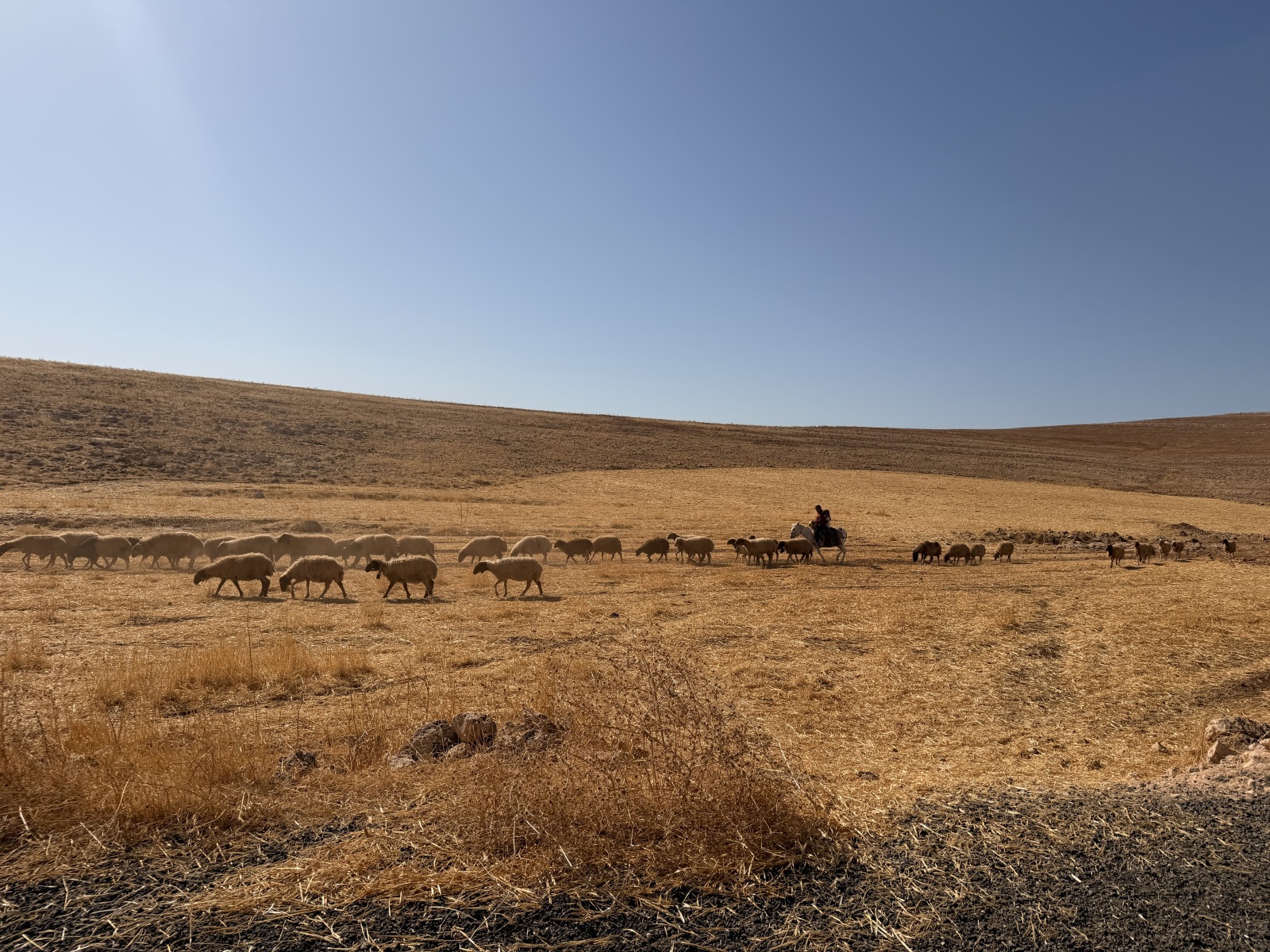
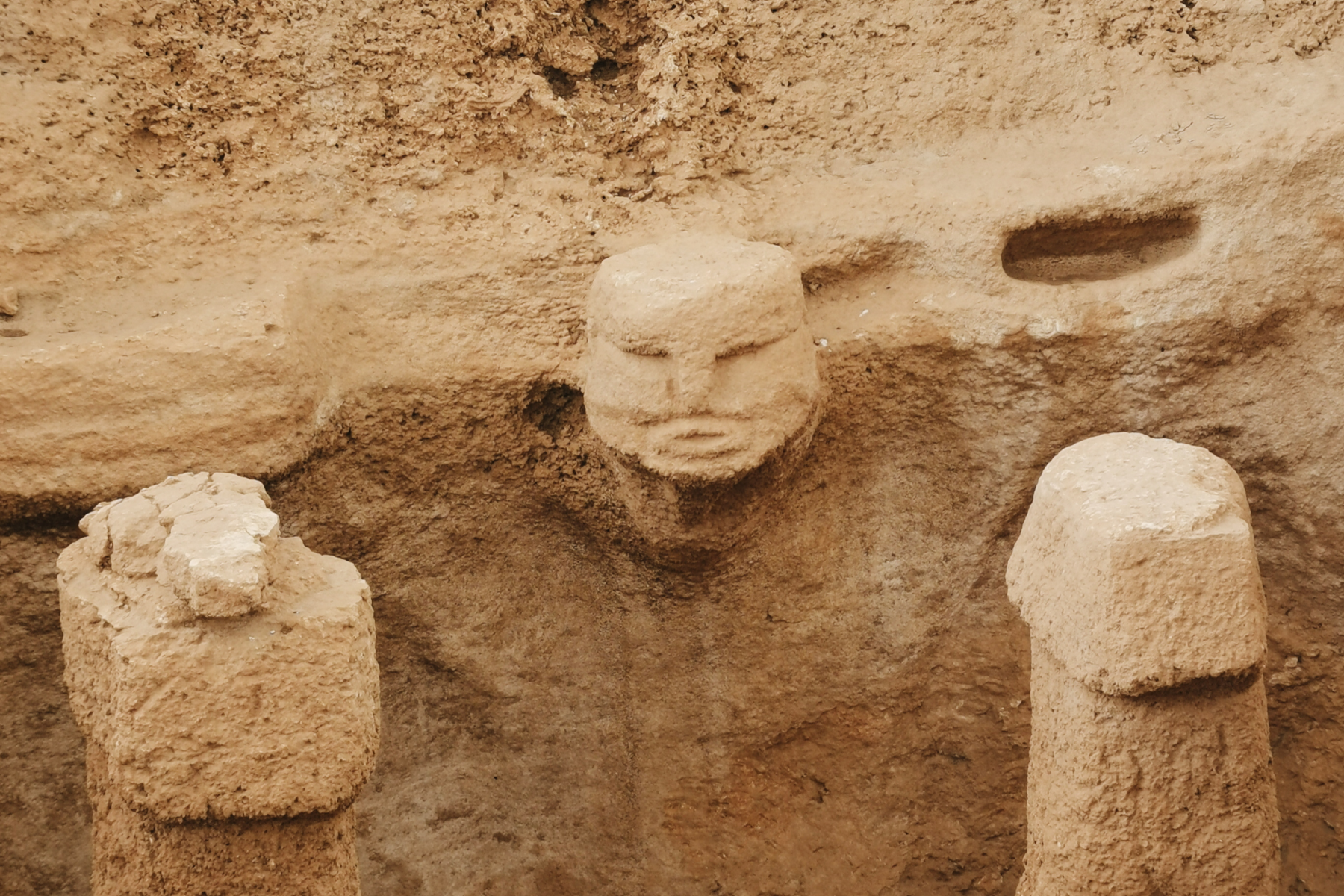
Before Ephesus | Starseed Türkiye Adventure
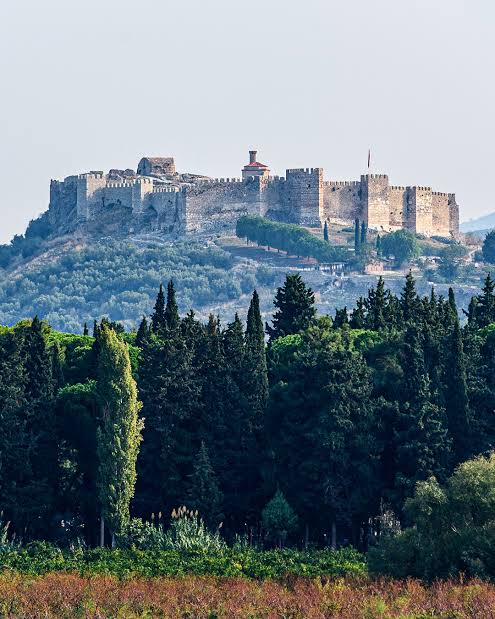
As we entered the modern town of Selçuk, my attention was drawn to the landscape itself. We had already passed Ayasuluk Castle, yet our guide continued sharing its history and relationship to Saint John as we drove through the city.
Before I encountered a single marble street or monumental ruin in Ephesus, the land began speaking.
The energetic landscape held a deeper narrative, an ancient one that speaks of the Divine Feminine.
As our guide continued sharing the story of St. John and the Basilica below the castle, long after we passed it, I continued to track a different story unfolding across the land. Ephesus was revealing itself as a sacred landscape shaped by the Divine Feminine, one whose sacred roots extended beyond current narratives.
The questions that arose were not attempts to understand the landscape. They were attempts to confirm what the landscape was already revealing.
Where was Mary’s House in relation to Ephesus?
What was here before Ephesus?
I sensed a stacked history, where the location was held sacred long before the history books recorded it so.
Once I understood that Mary’s House crowned the mountain, as it would within the Christian tradition, I understood in one fell swoop what the land was saying.
Mother Mary’s House
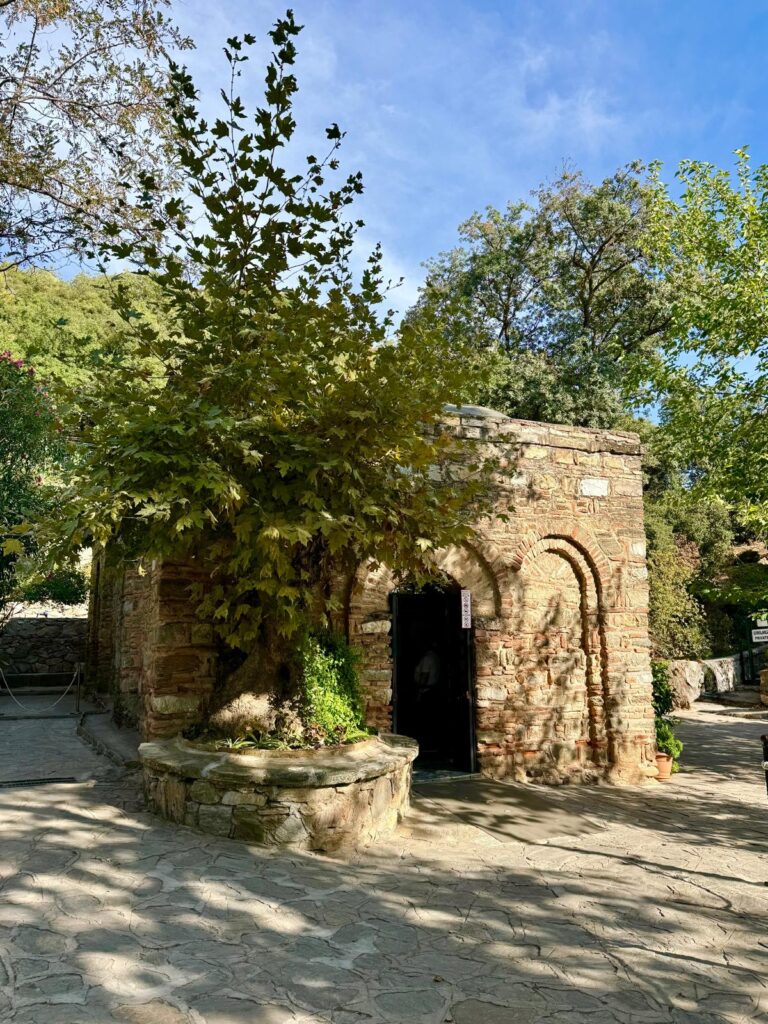
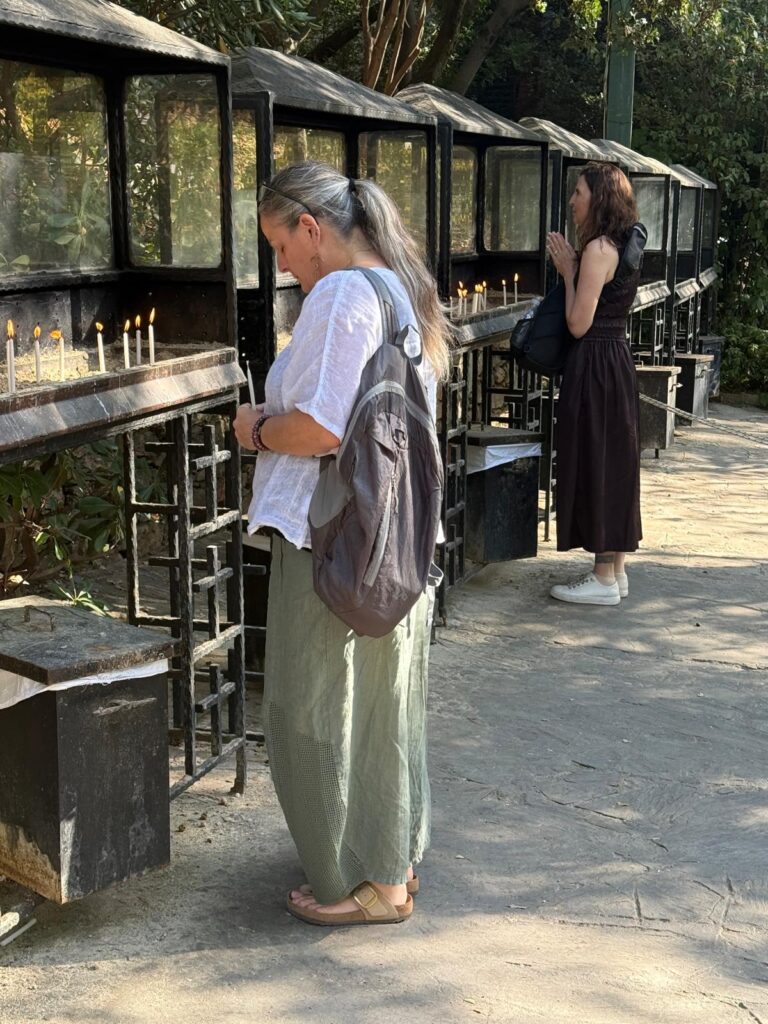
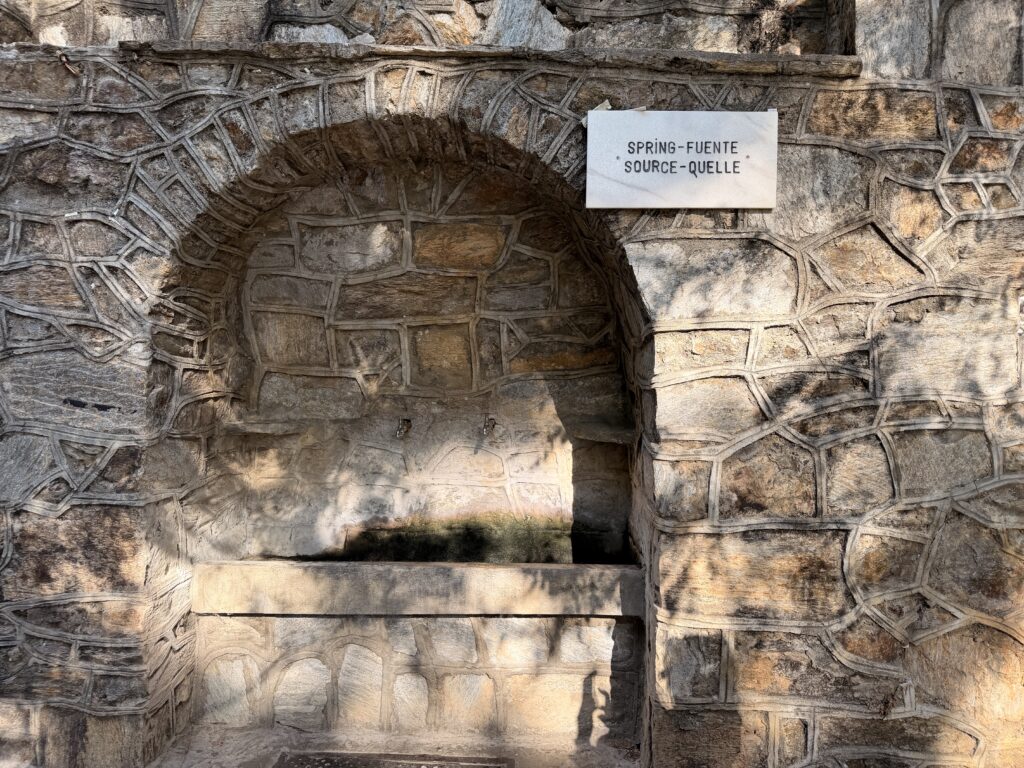

Gifts through time
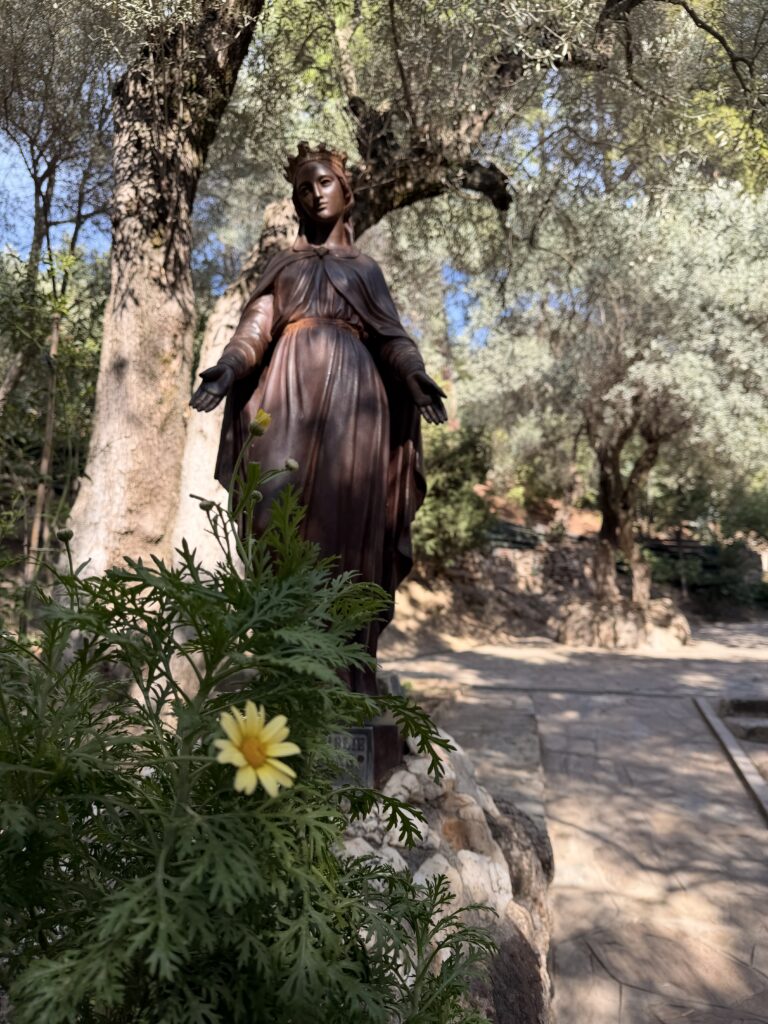
As our guide shared stories of the many popes who had visited Mary’s House, I found myself asking a different question.
What did they bring?
Having taught The Art of Giving: Sacred Temple Libations, my interest was less in who had visited and more in how they approached the site.
The answer surprised me little.
They brought offerings.
Across centuries and traditions, sacred places continue to invite reciprocity. The forms may change, yet the impulse remains remarkably consistent: prayer, devotion, gratitude, remembrance, and gift-giving.
Standing at Mary’s House, I was reminded that sacred landscapes are not only received. They are entered into through relationship.
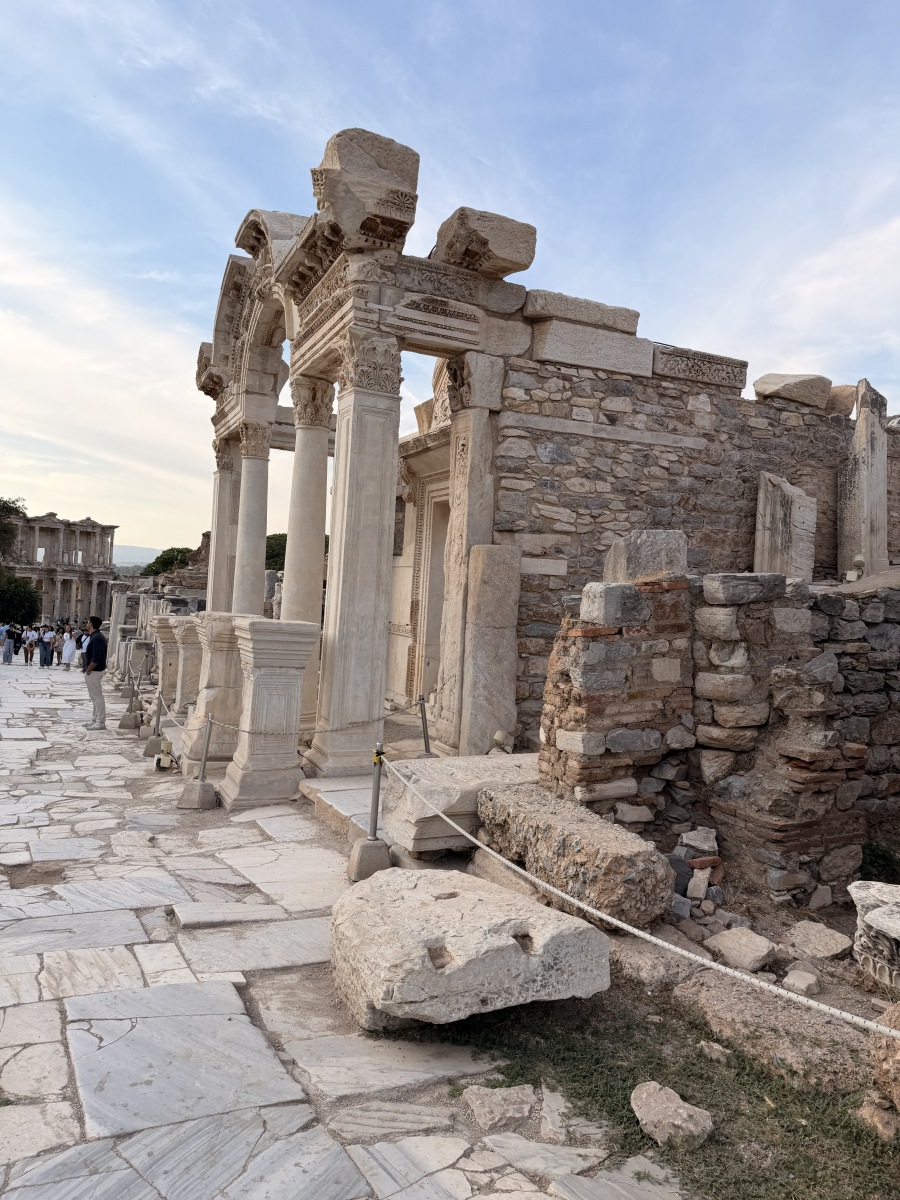
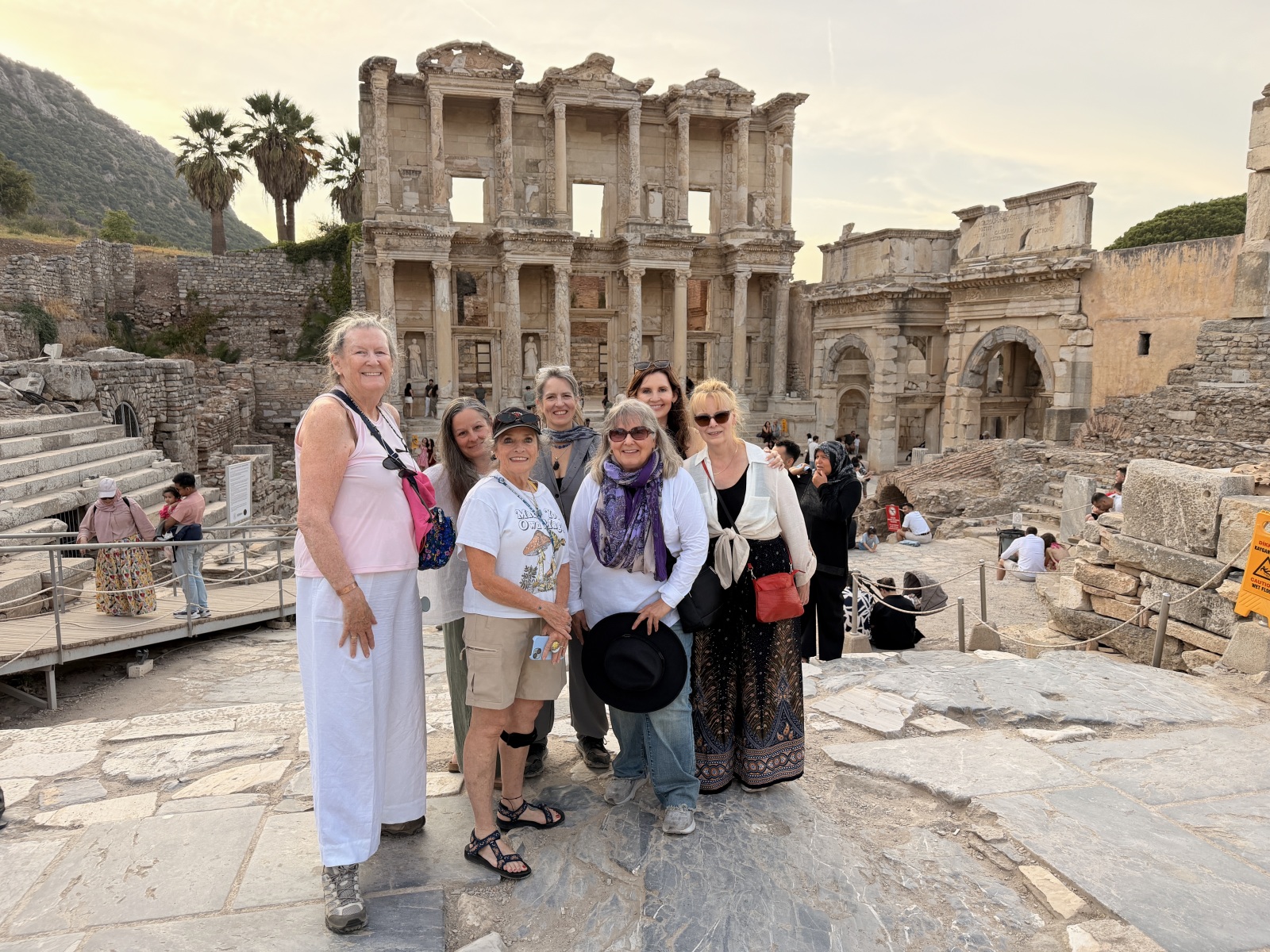
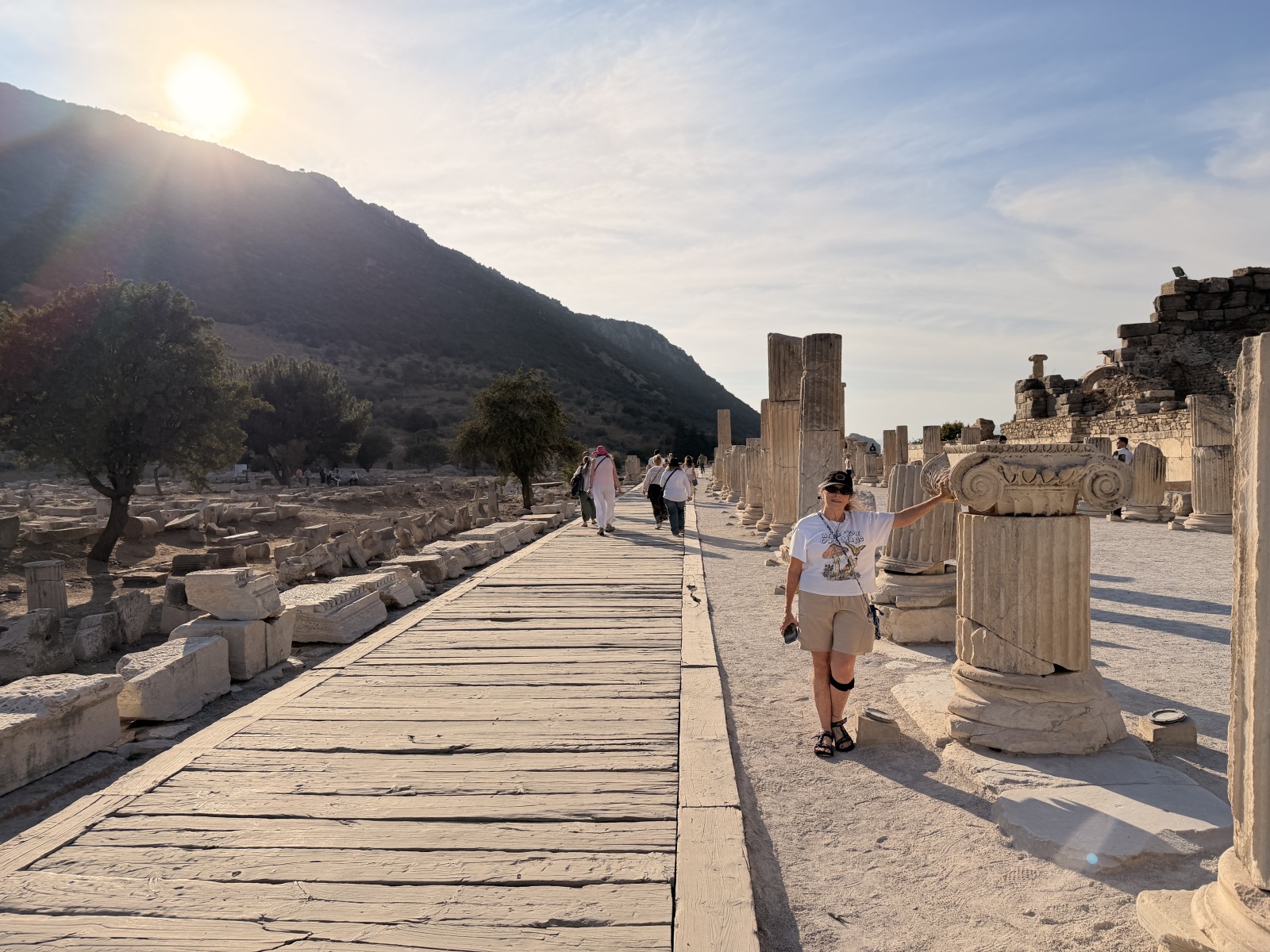
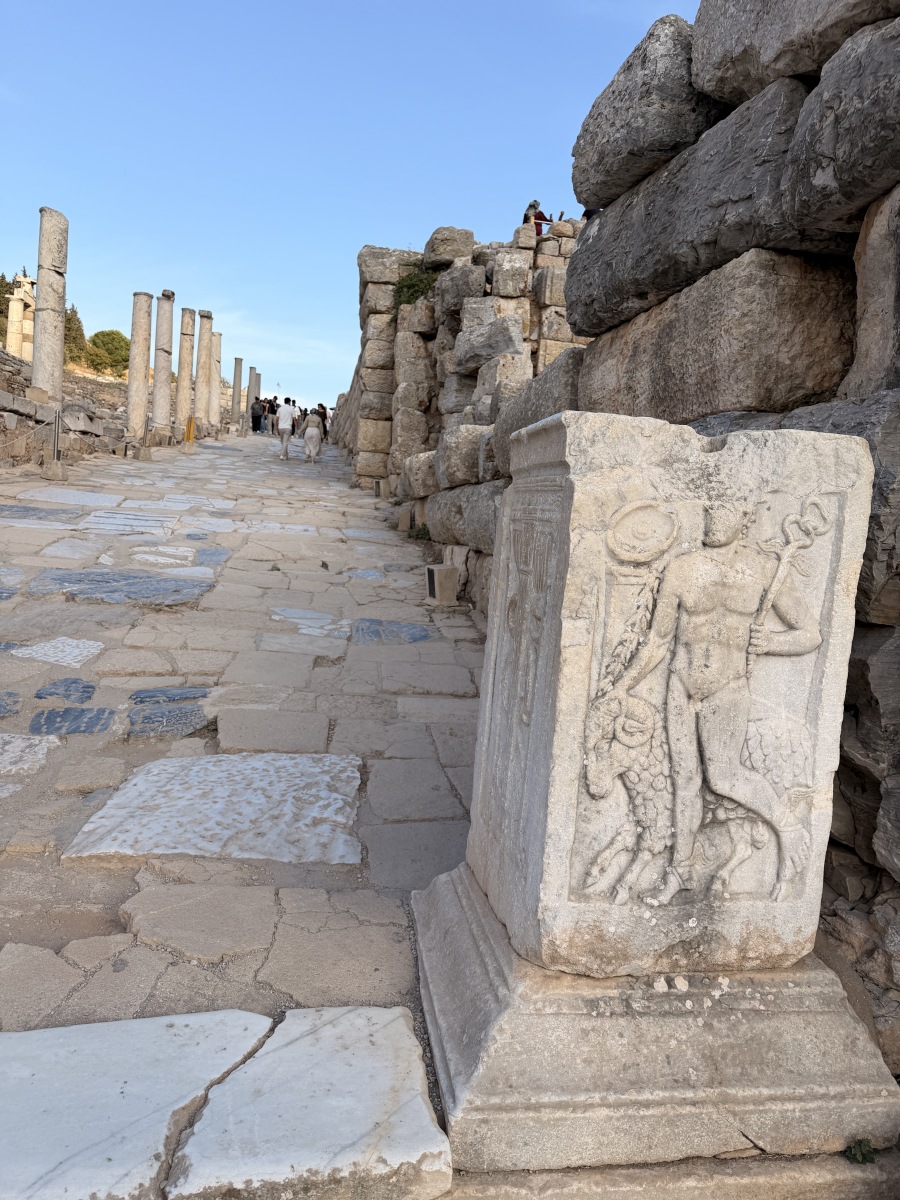
Walking Ephesus | Starseed Türkiye Adventure
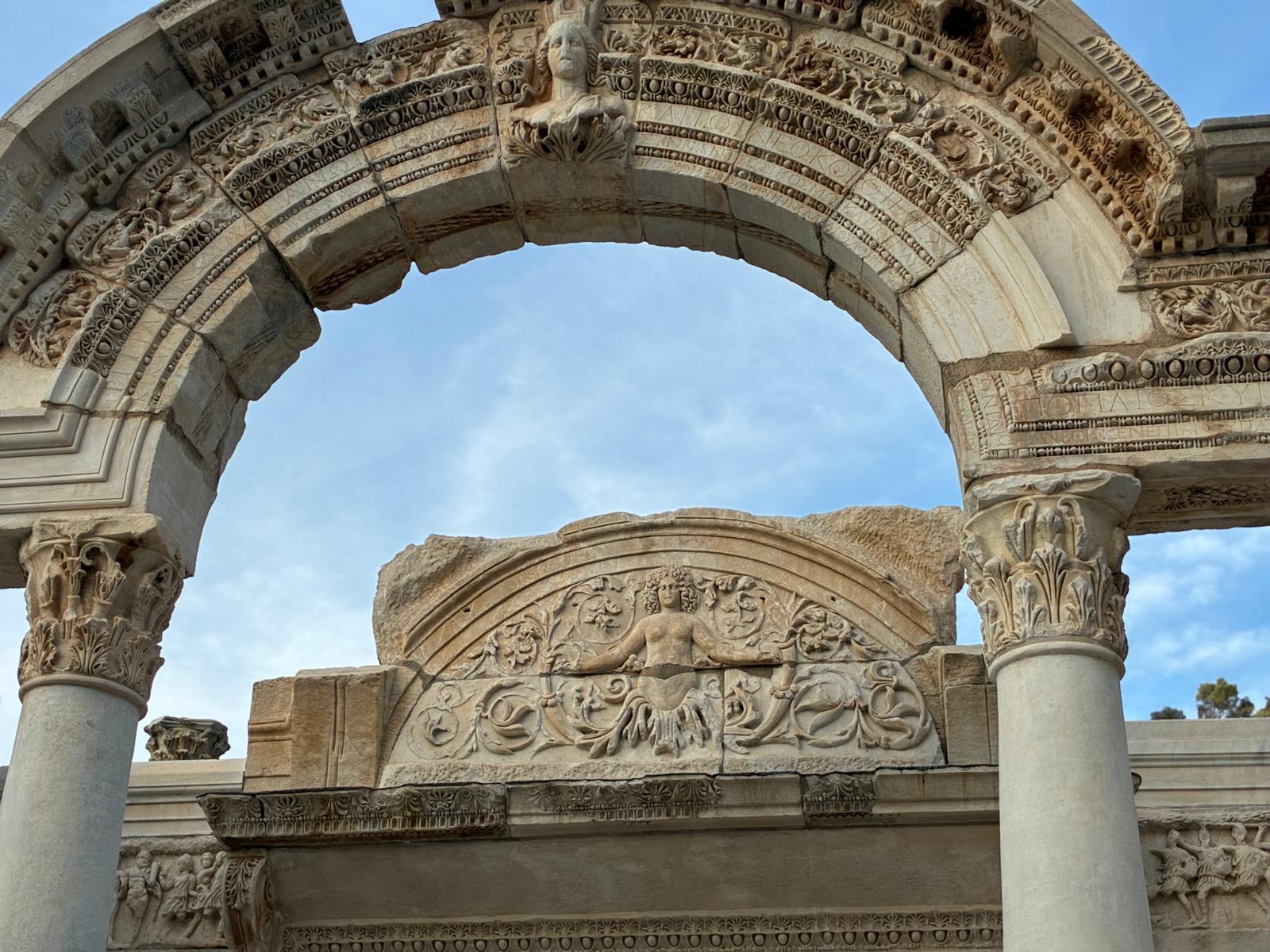
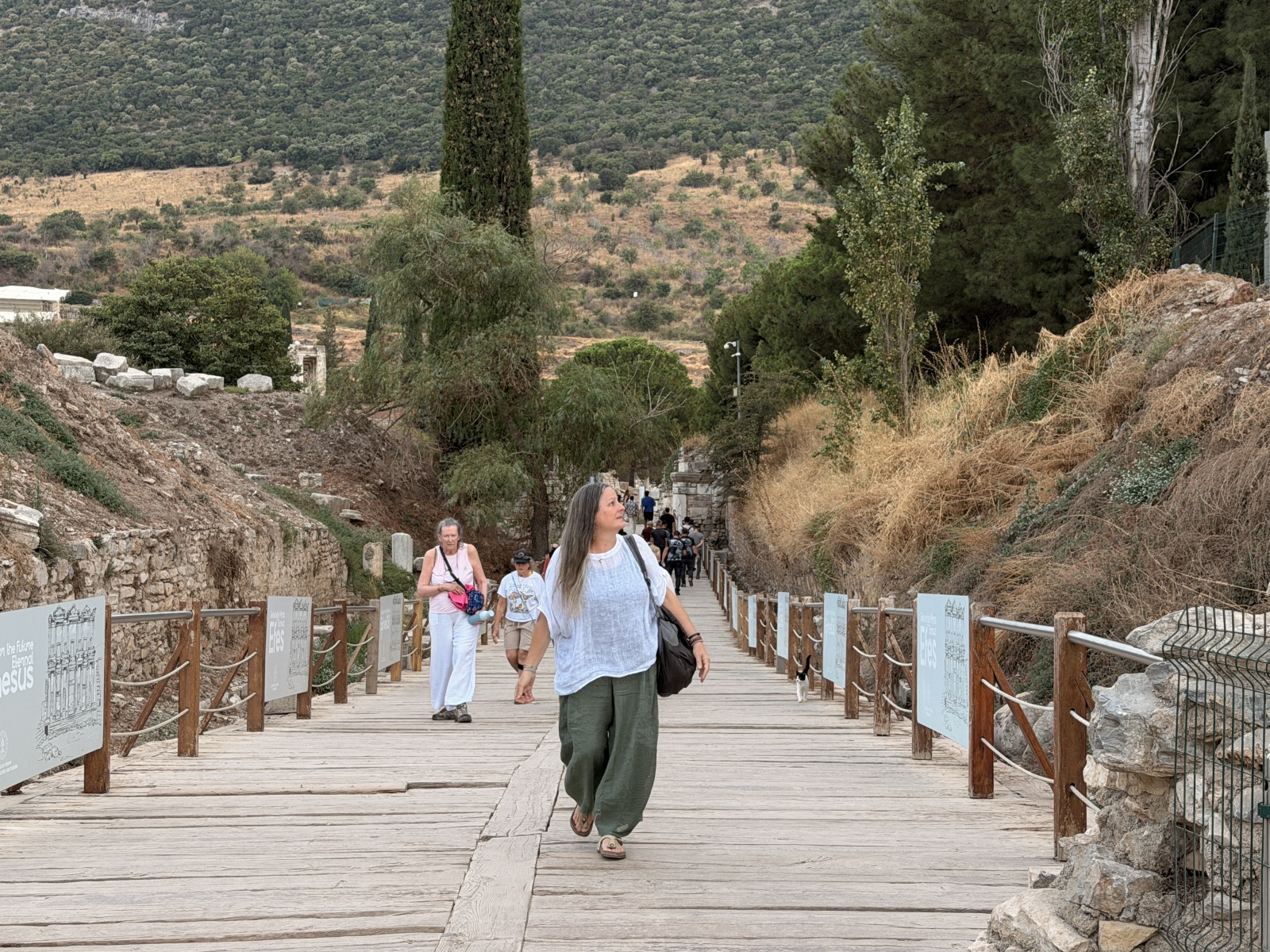
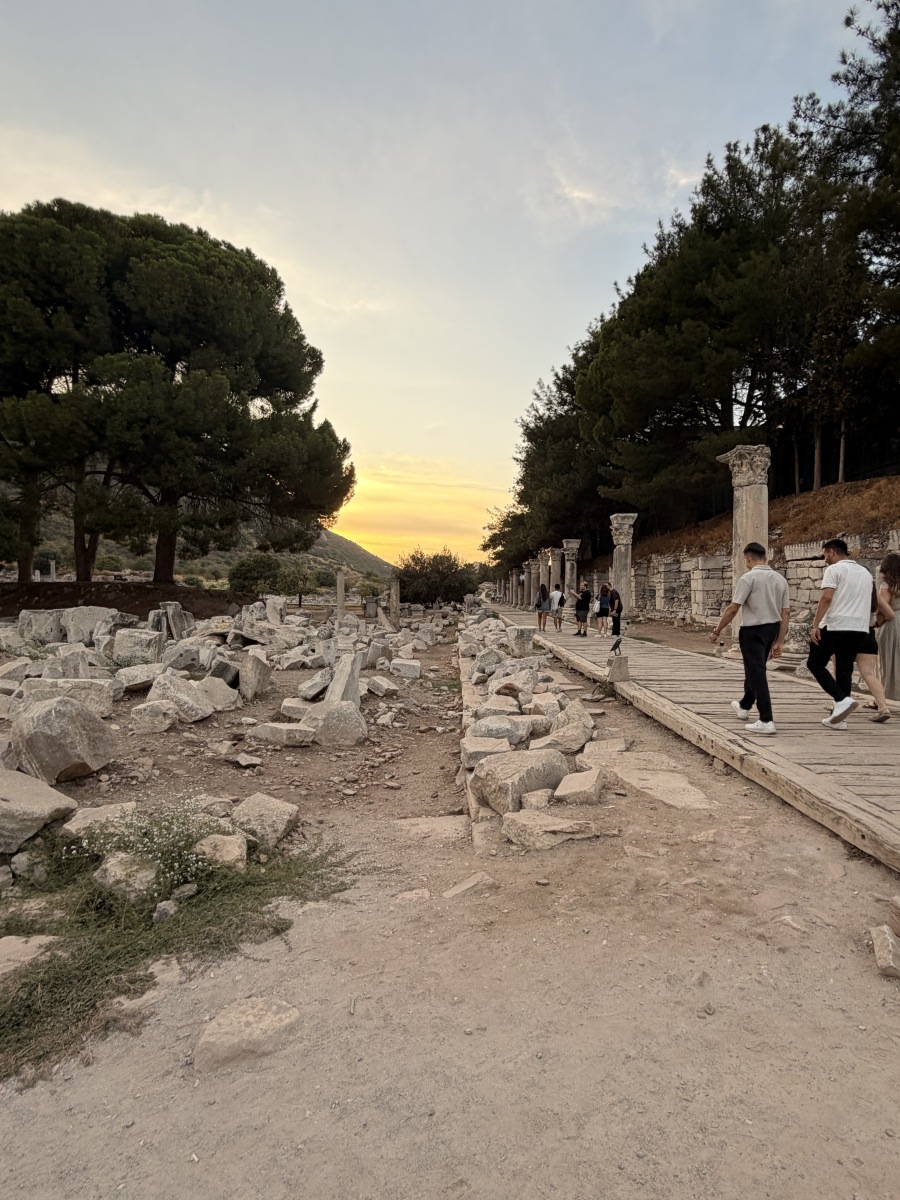
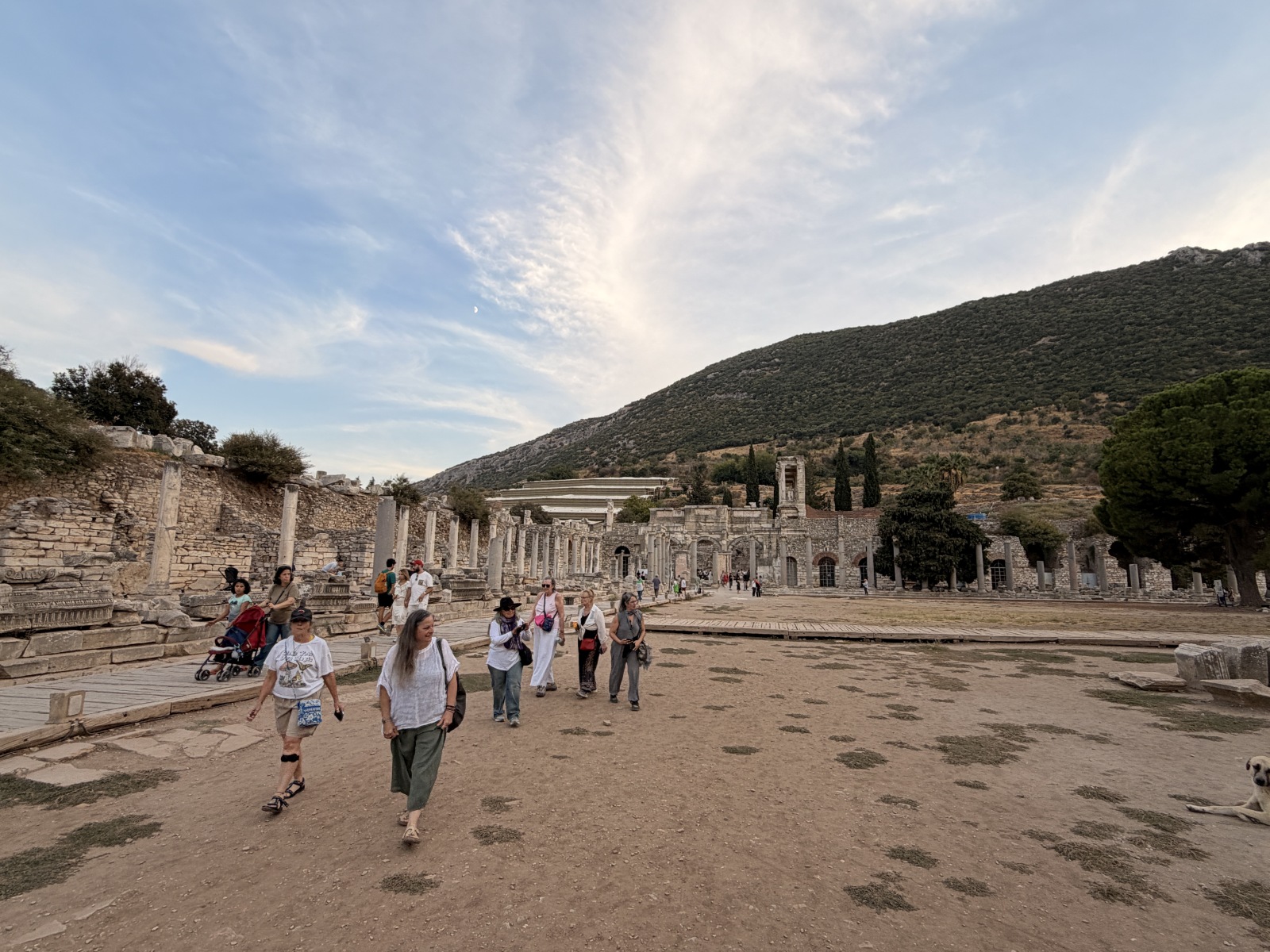
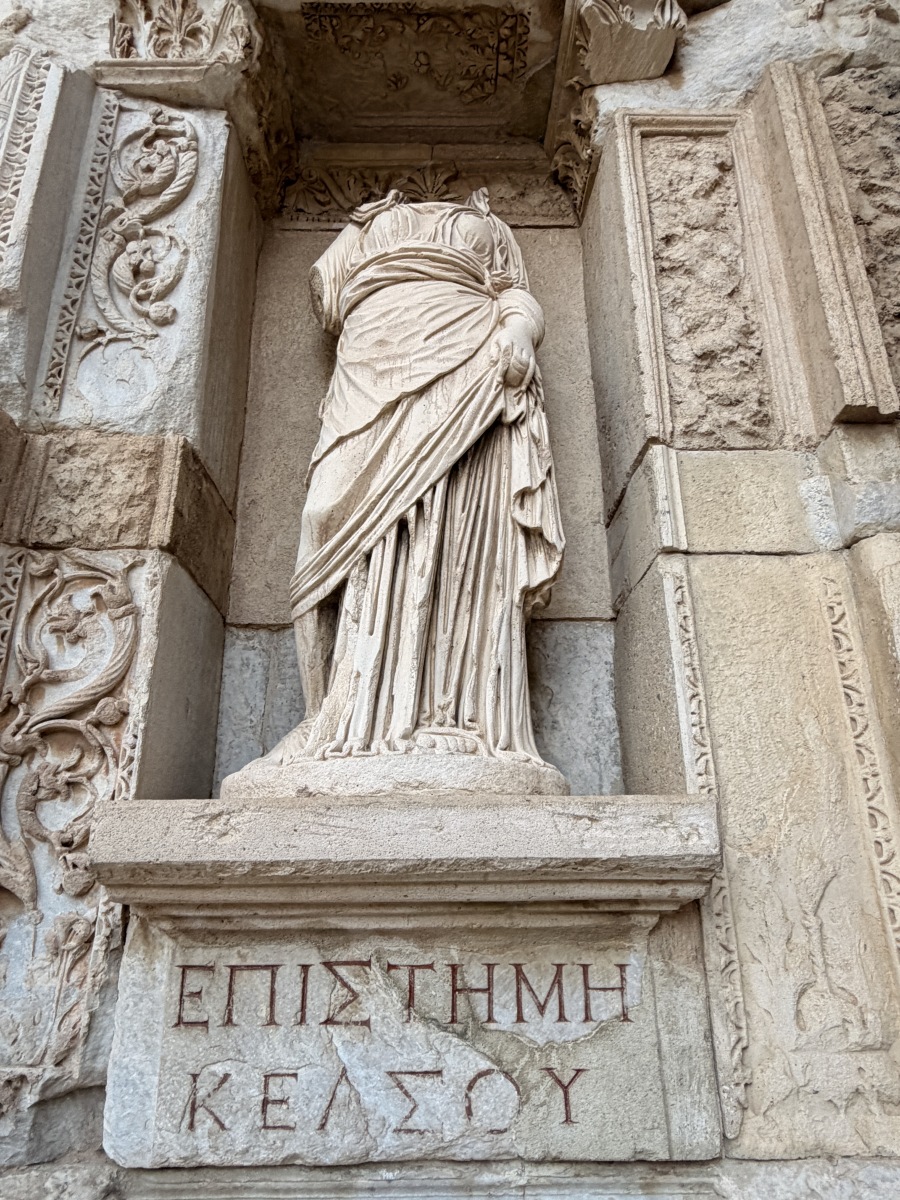
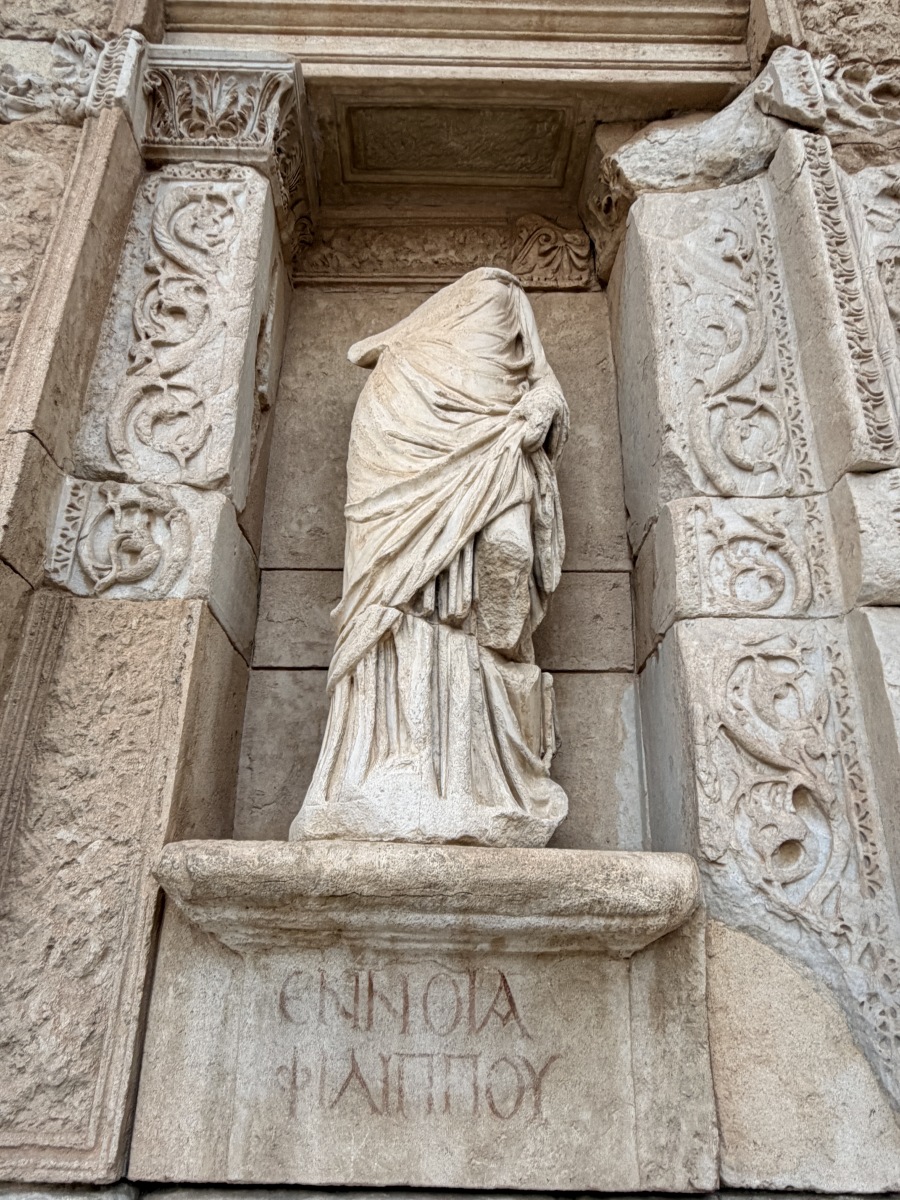
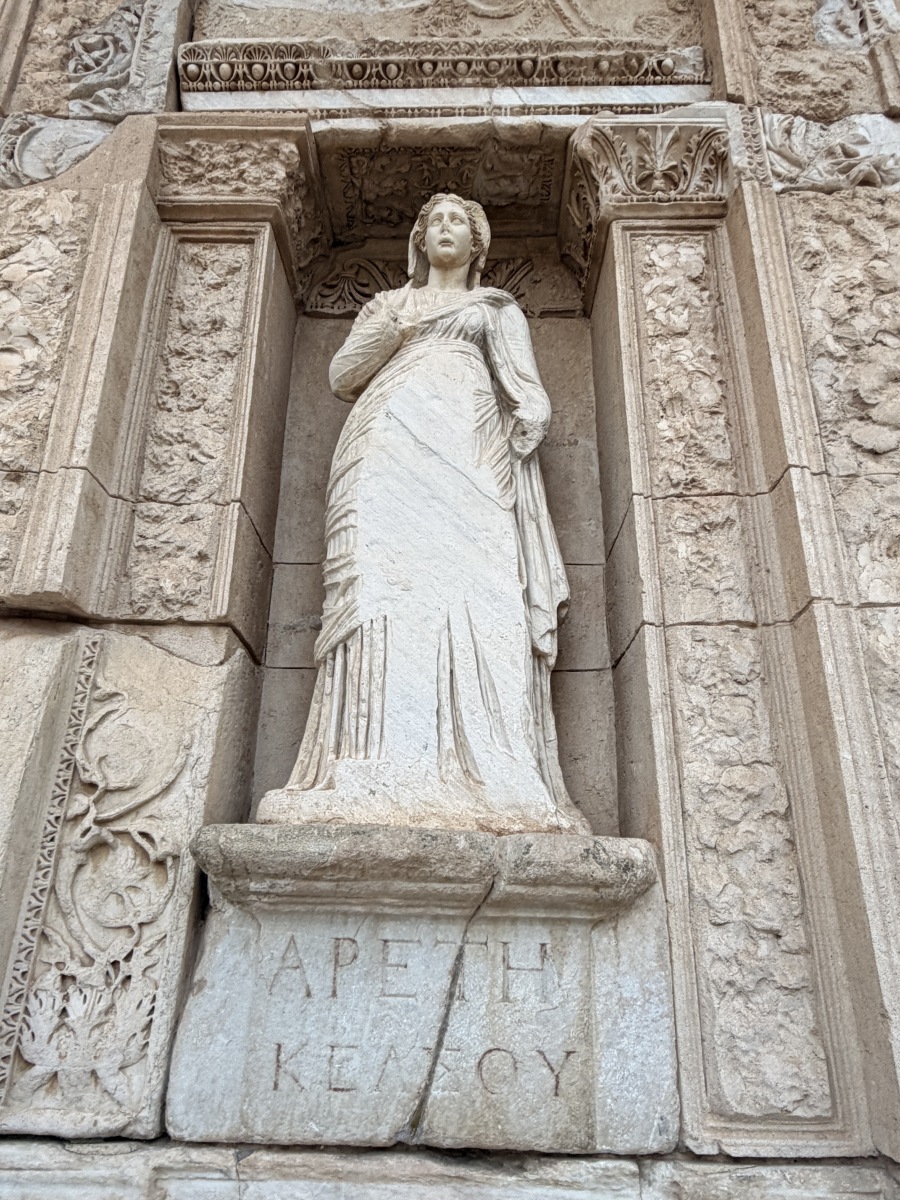
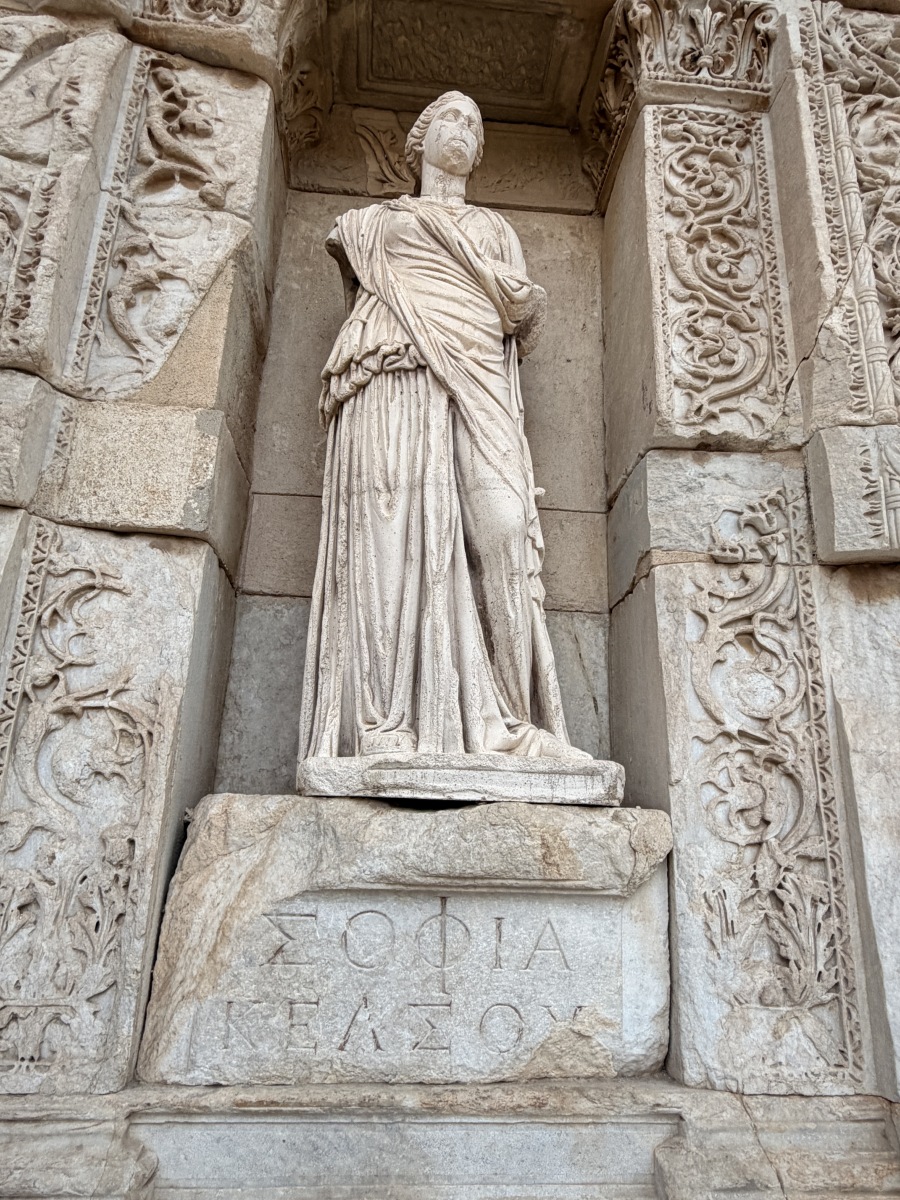
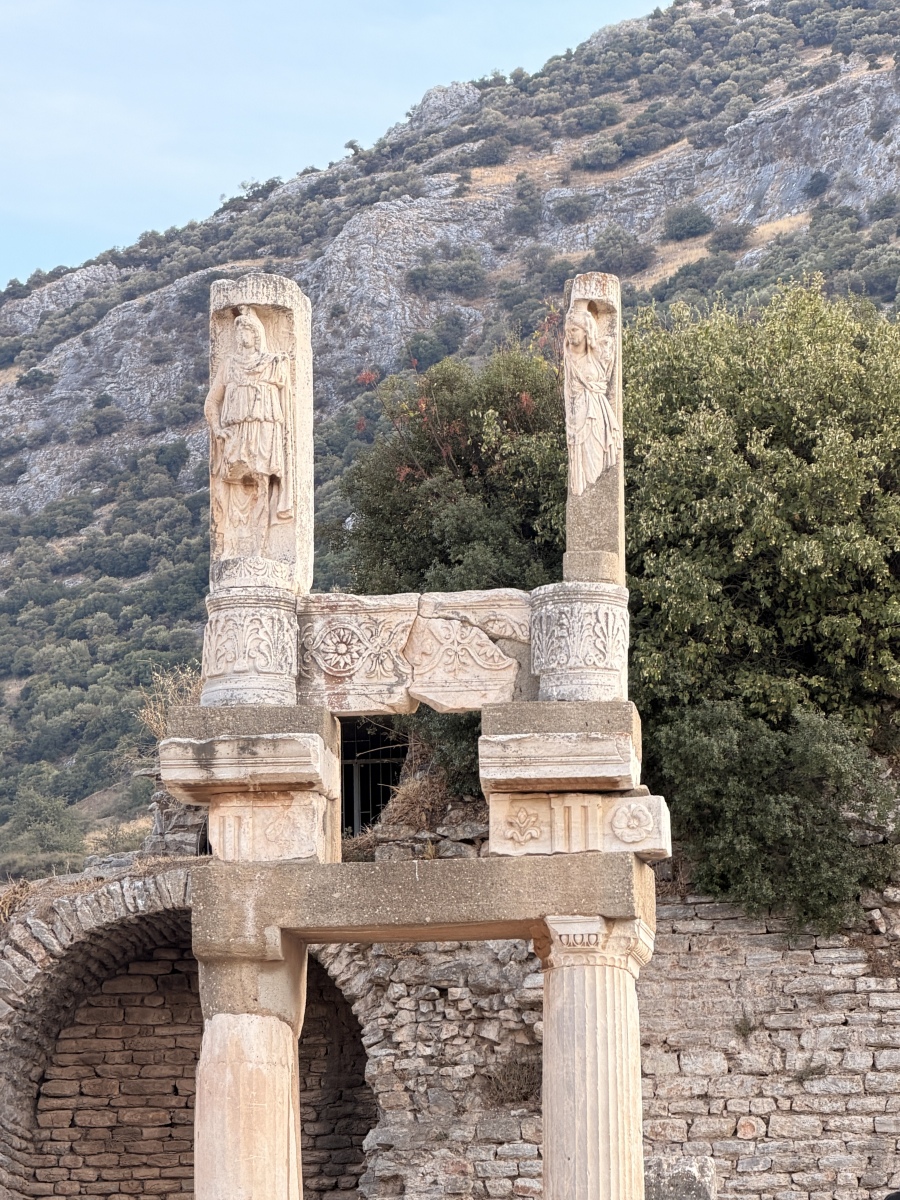
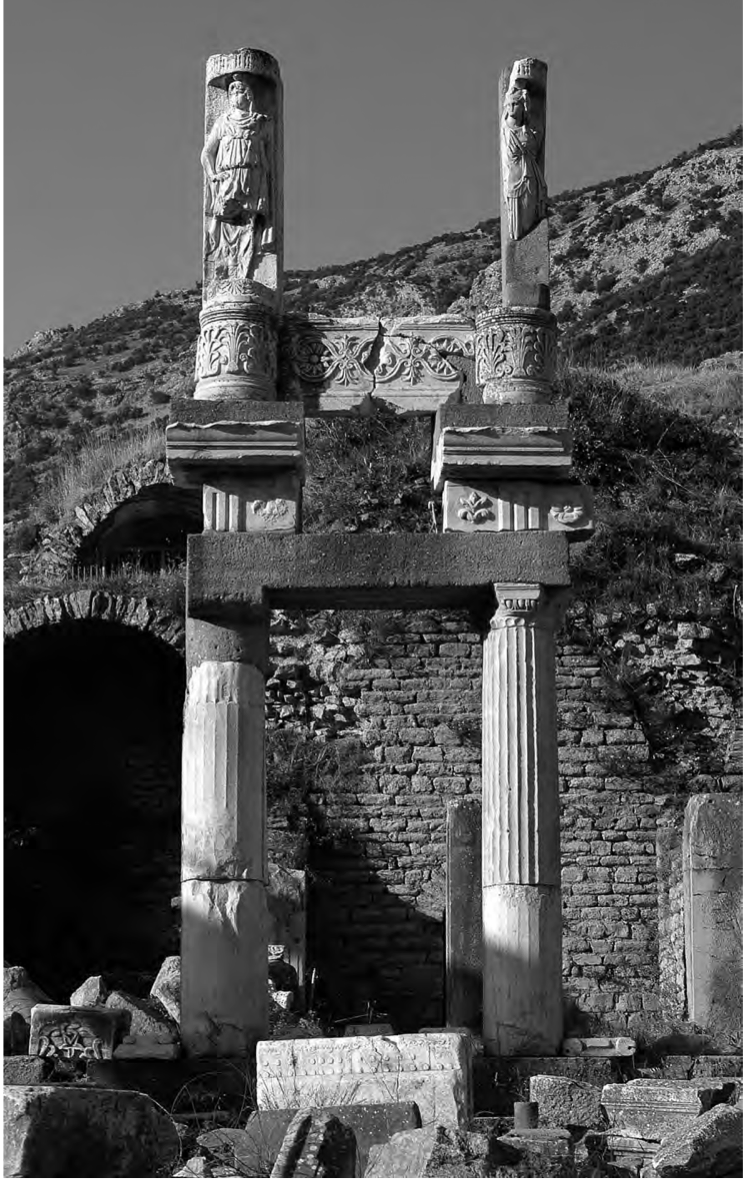
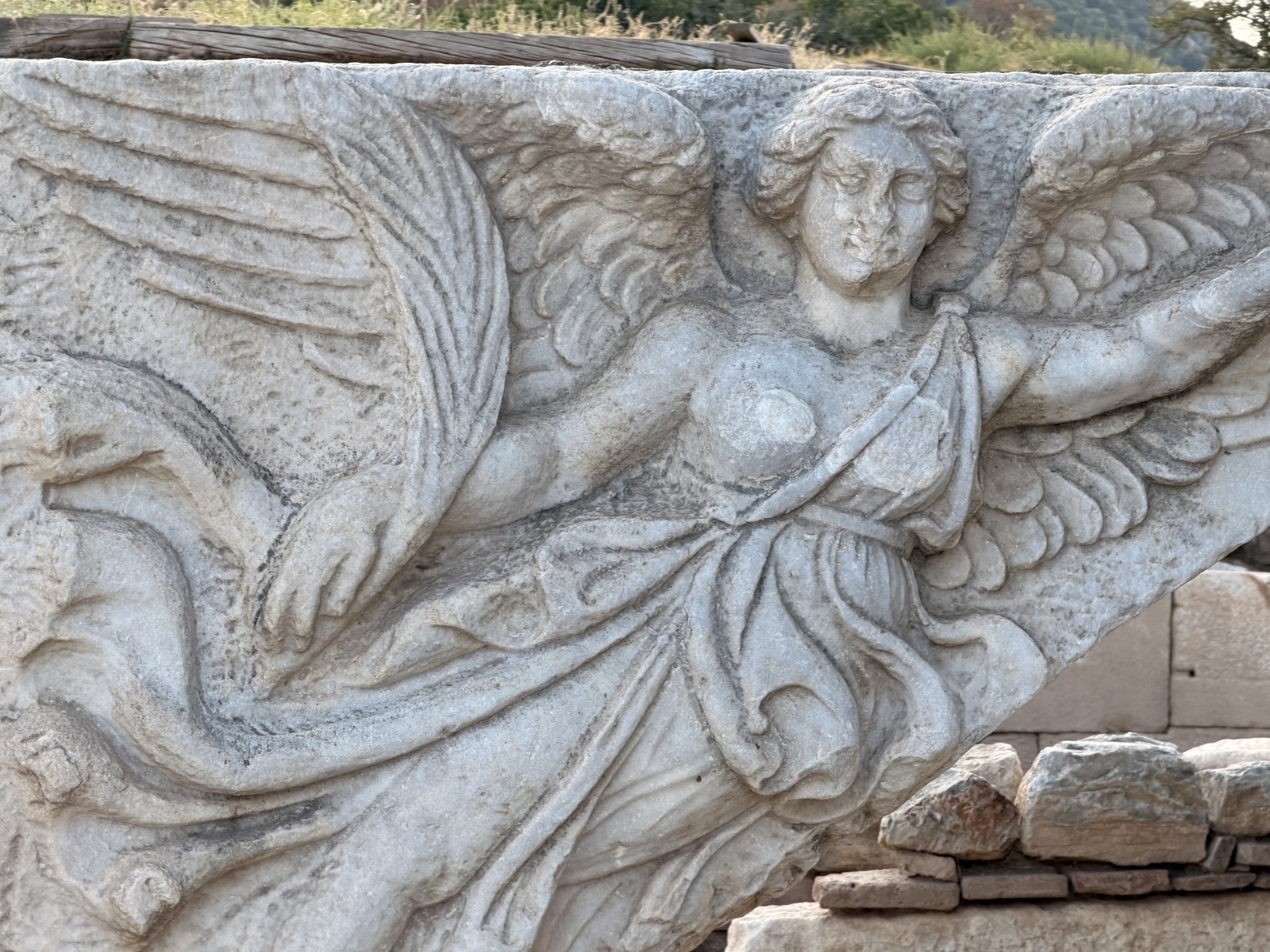
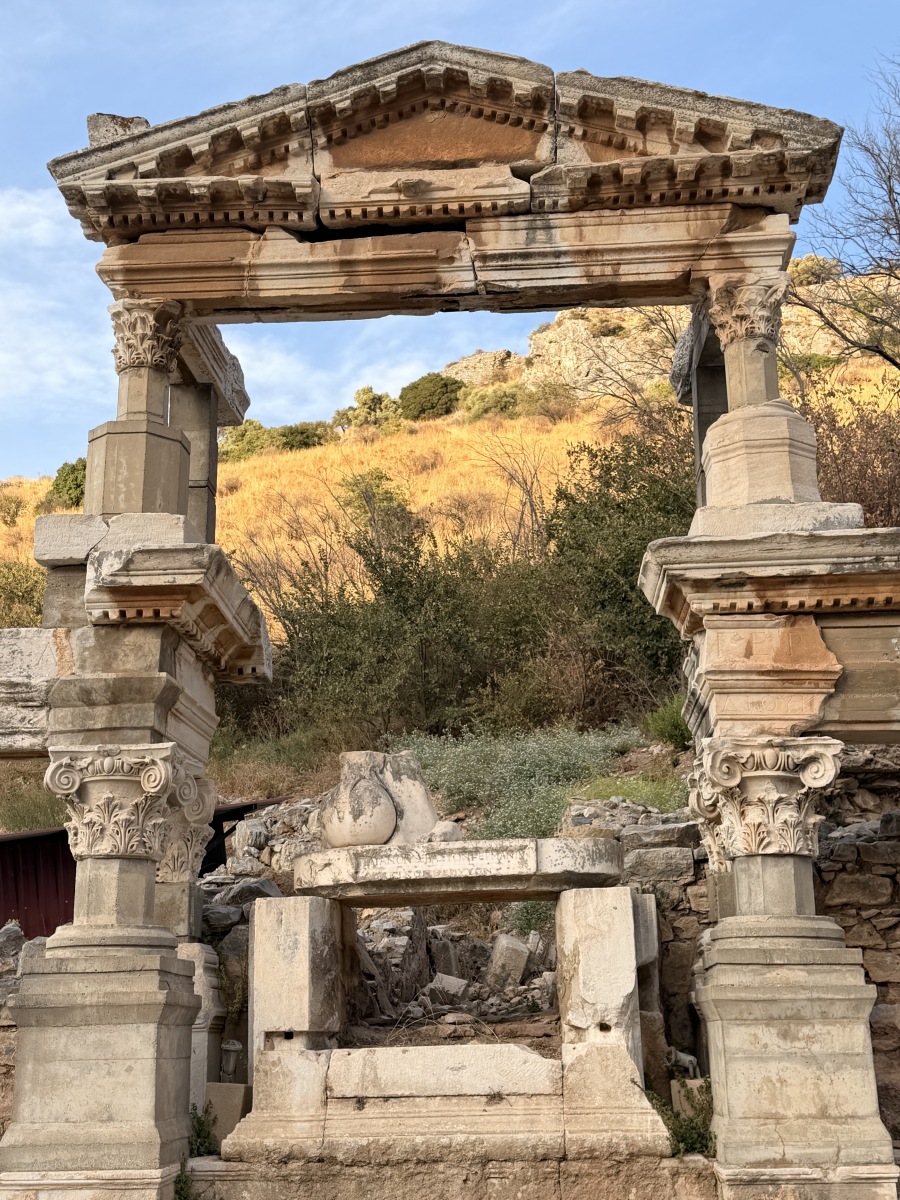
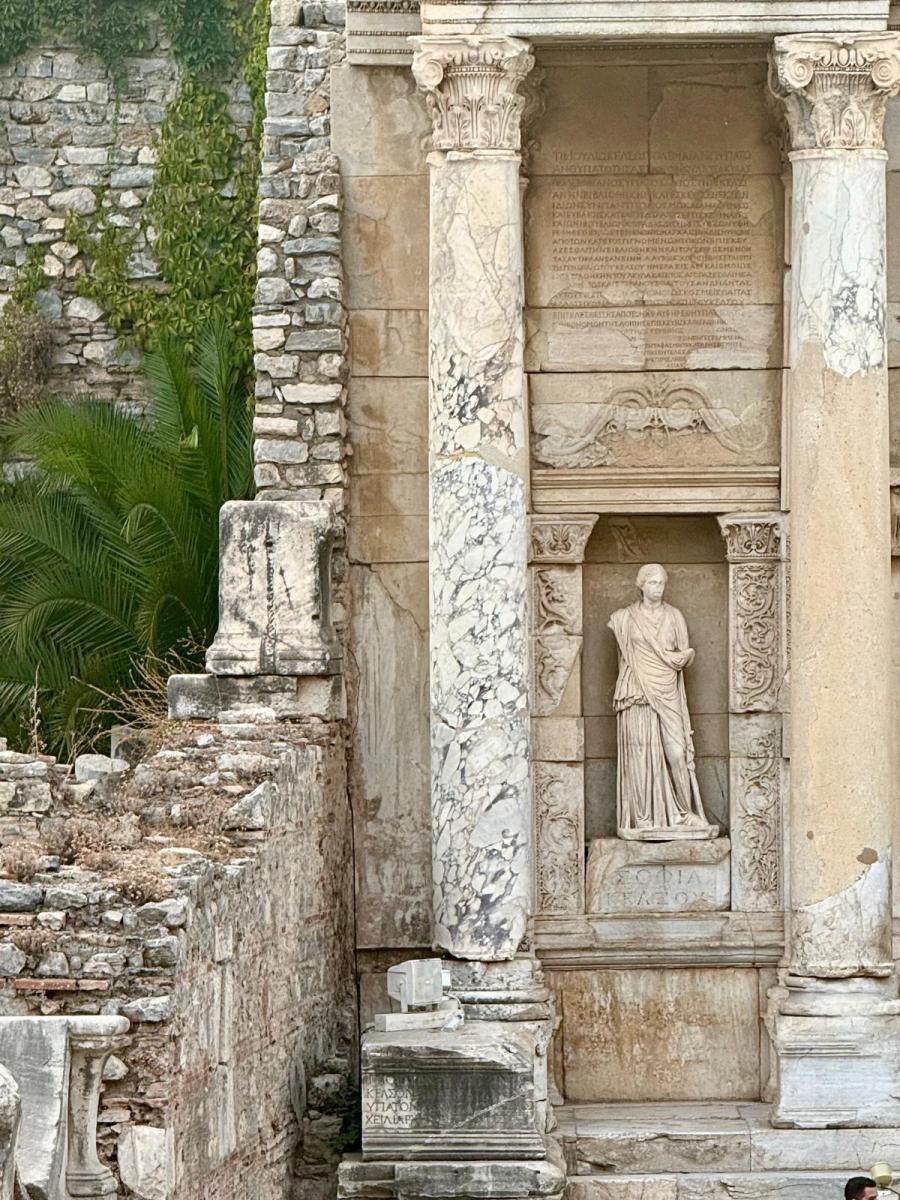
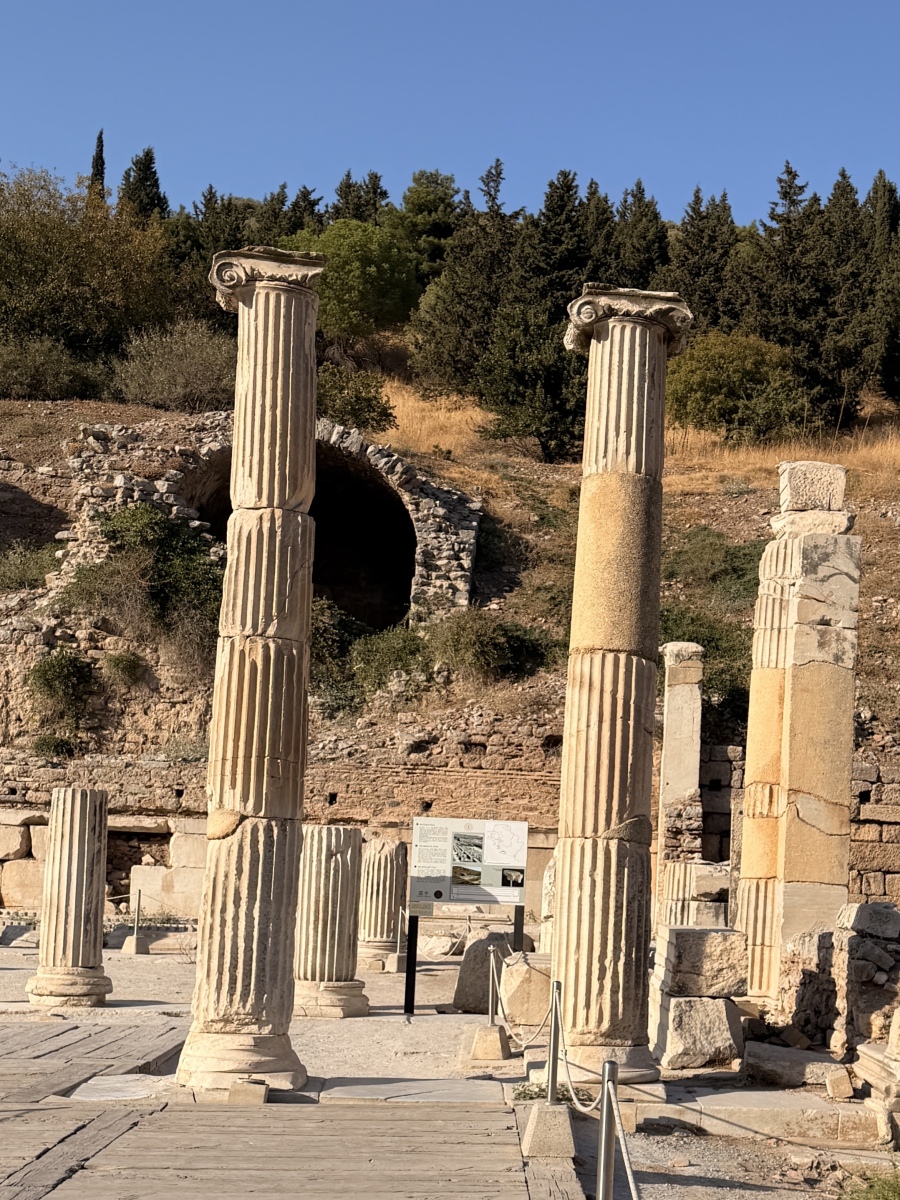
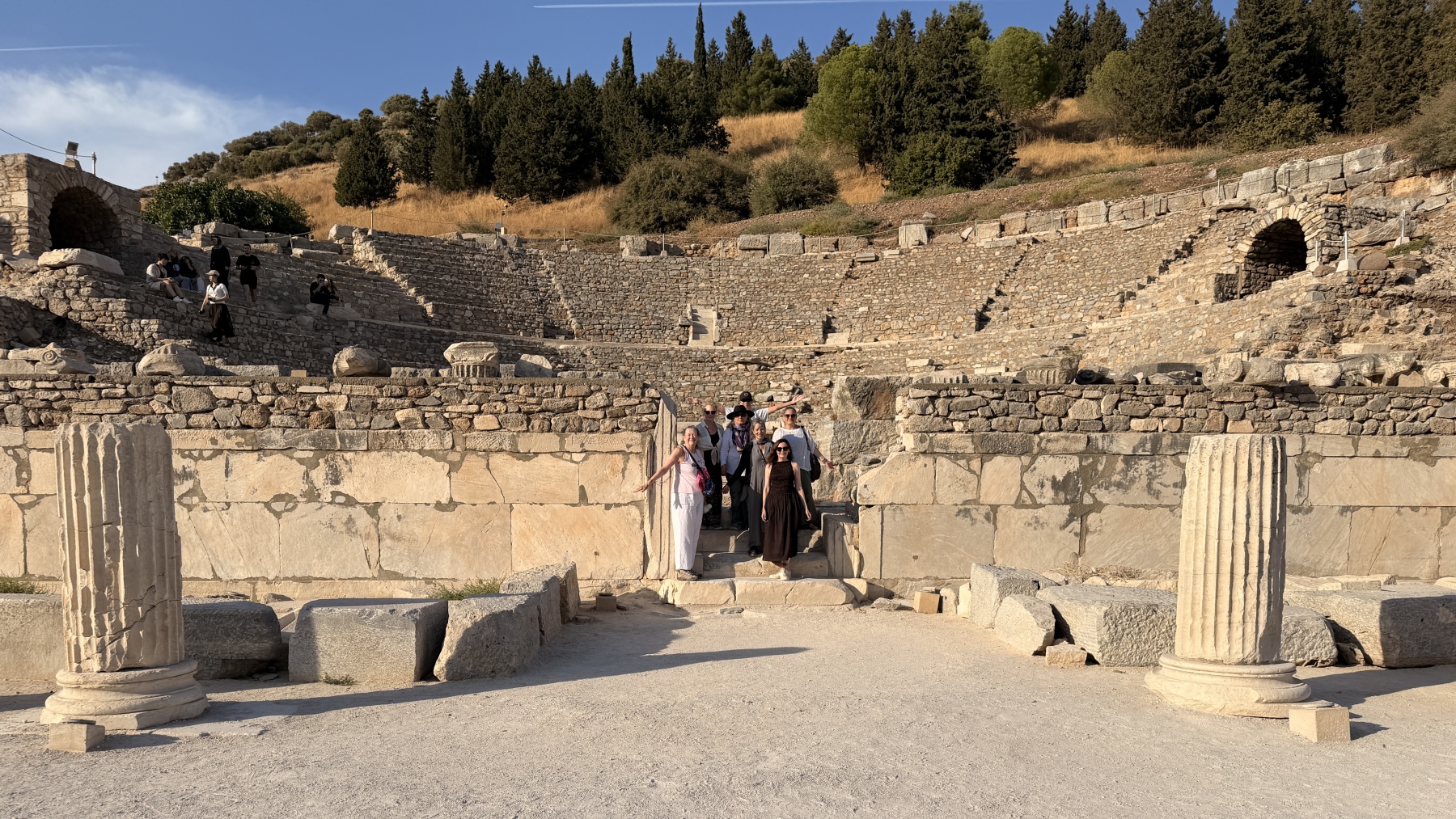
As daylight softened into evening, we stepped into Ephesus.
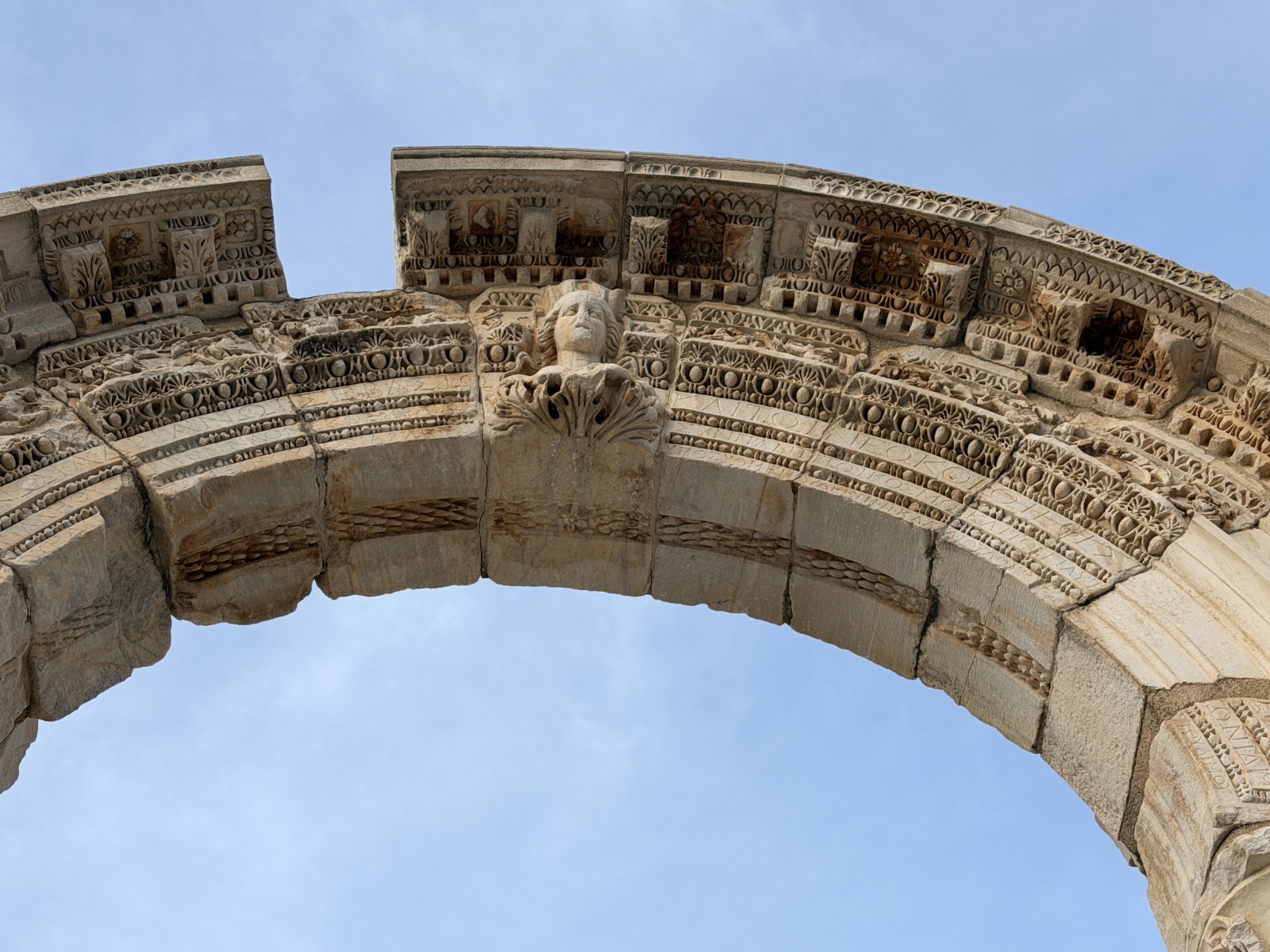
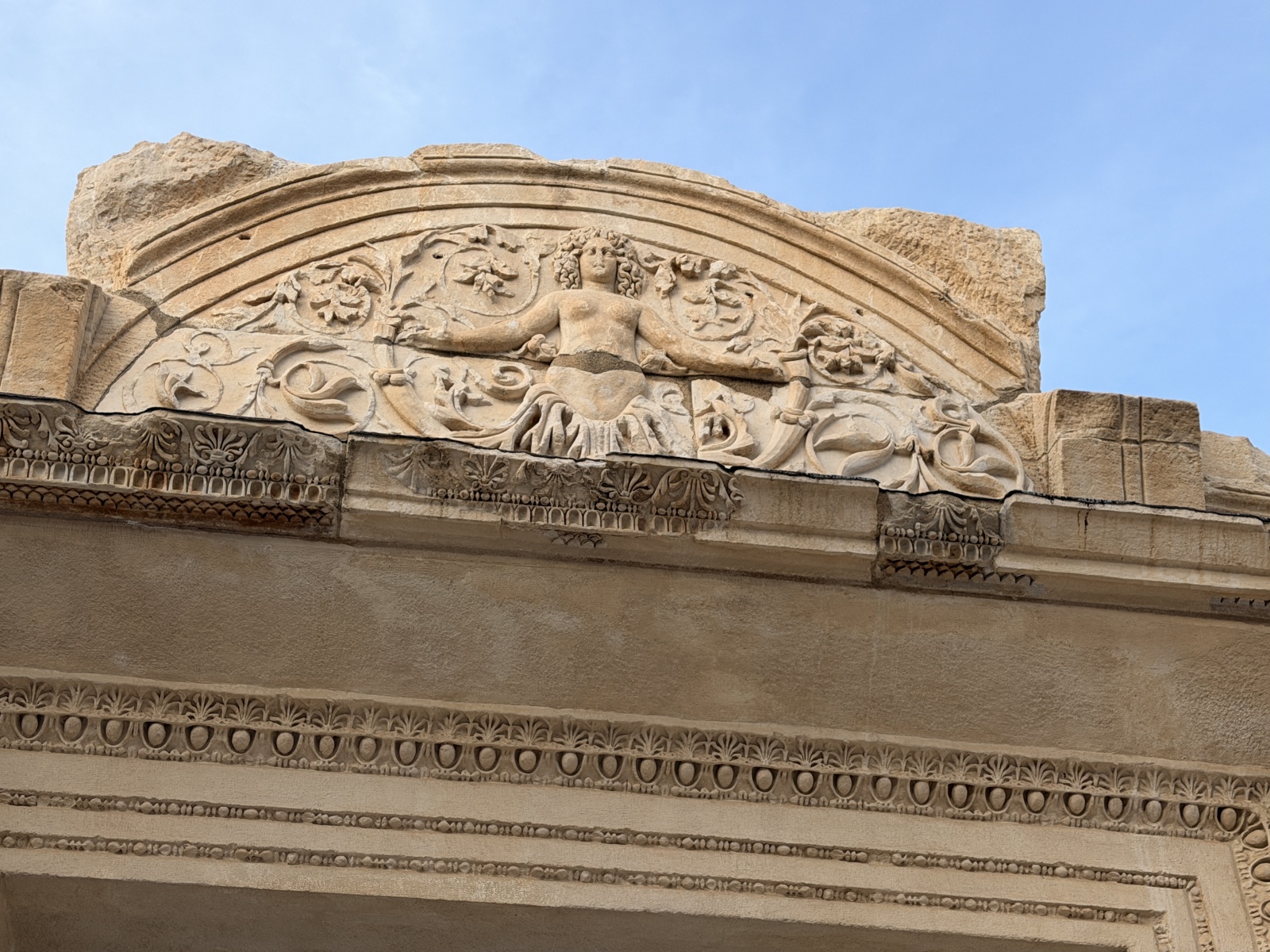
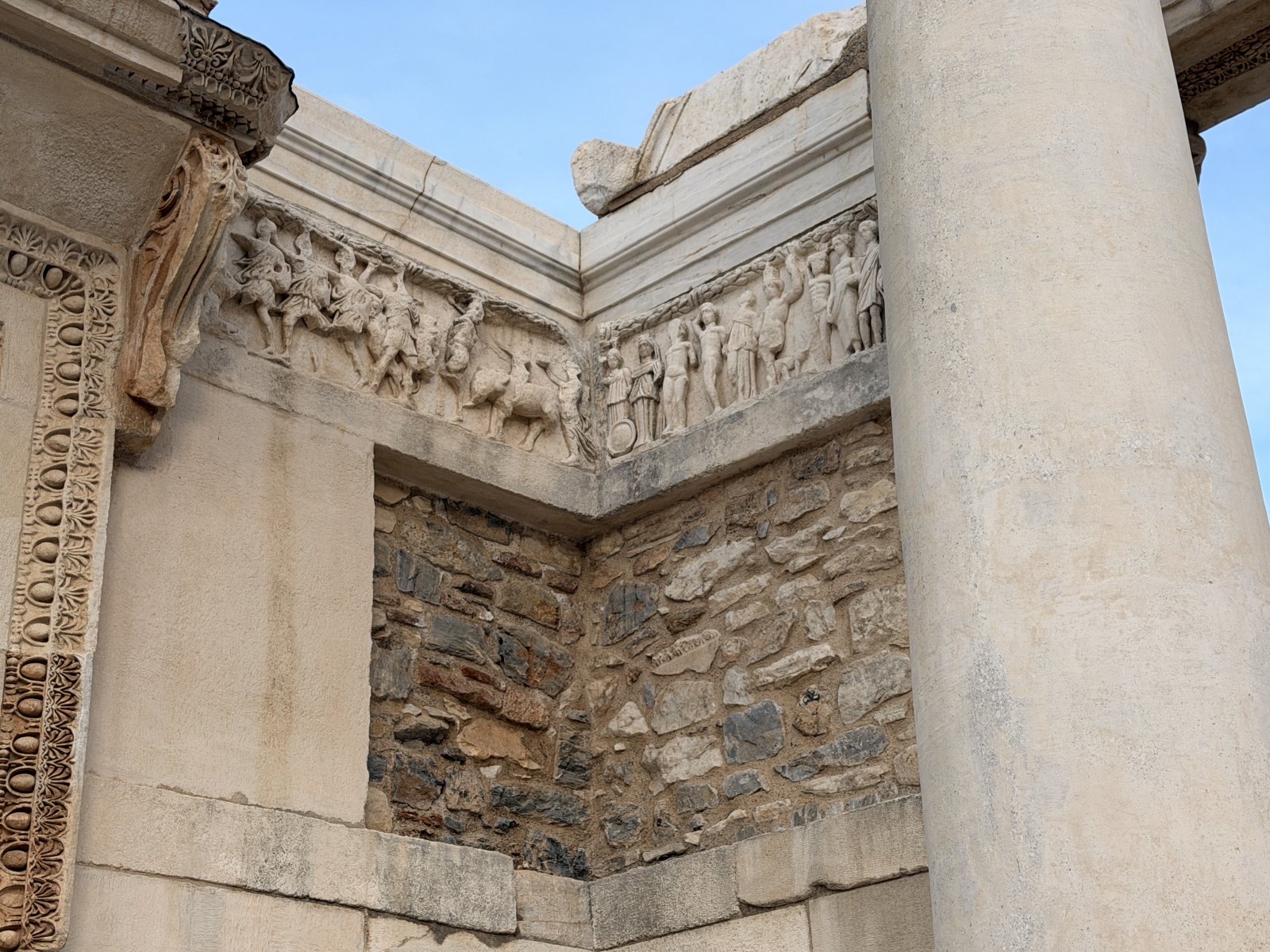
Marble streets, ancient facades, and layers of human history stretched out before us. Yet it was the feeling of continuity, rather than the ruins themselves, that remained with me.
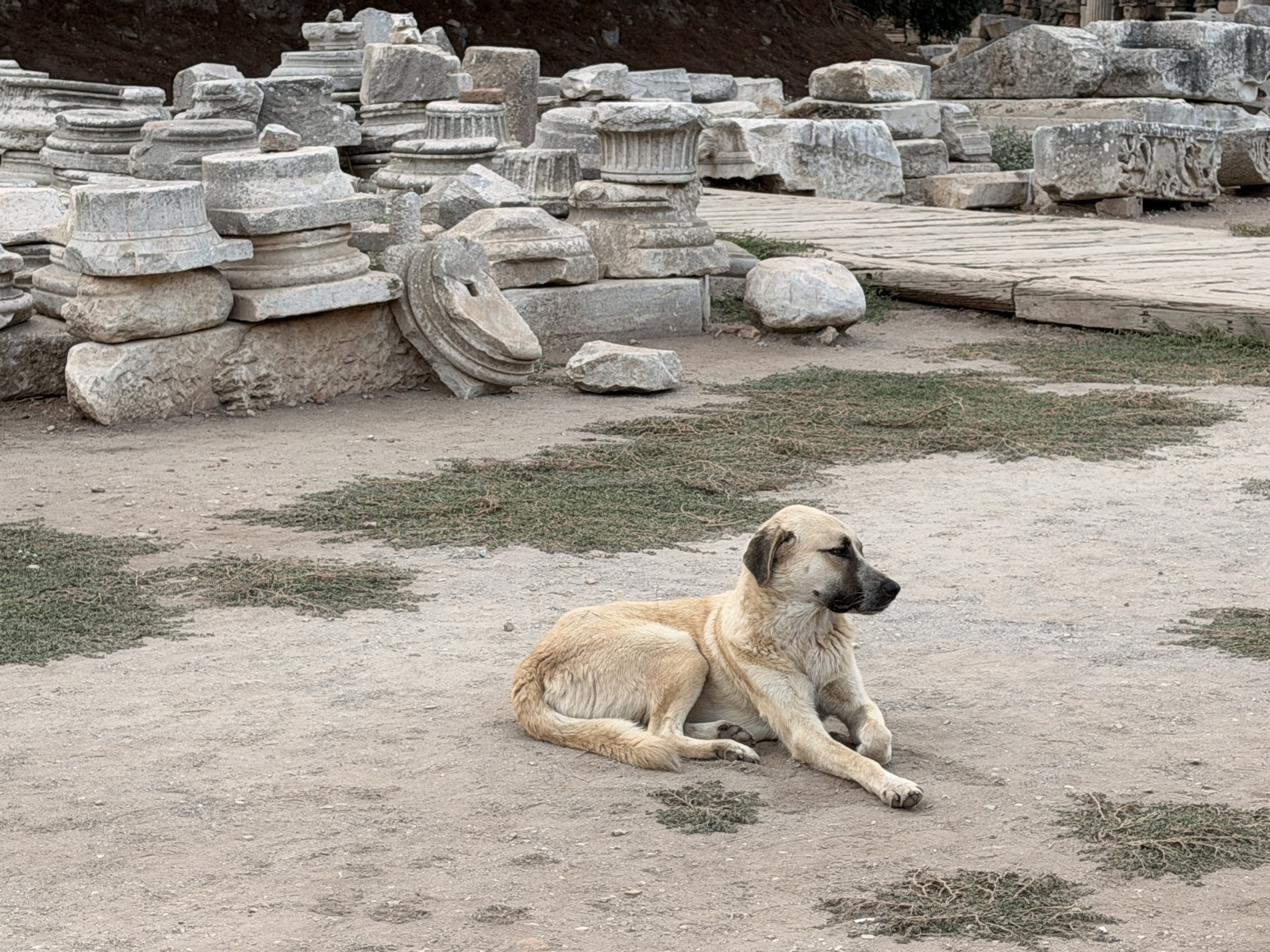
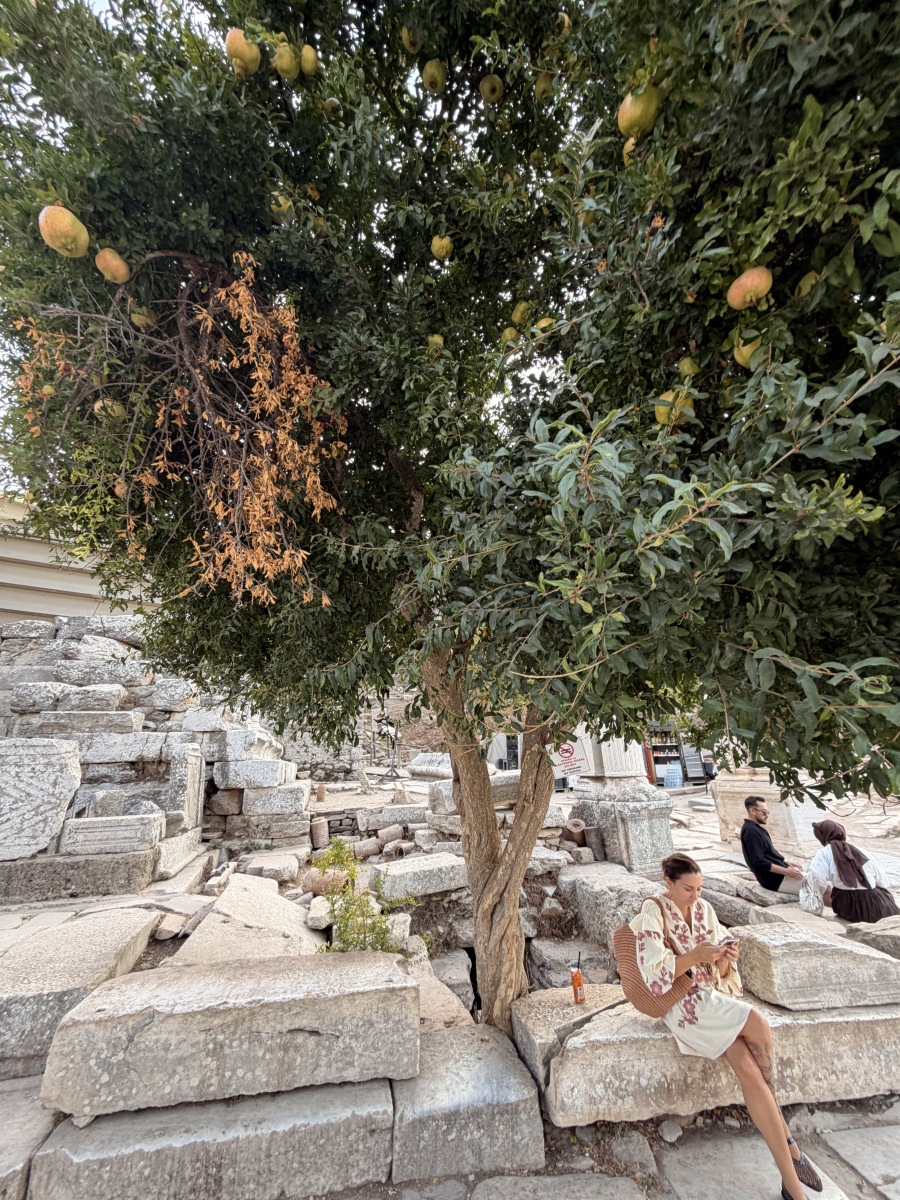
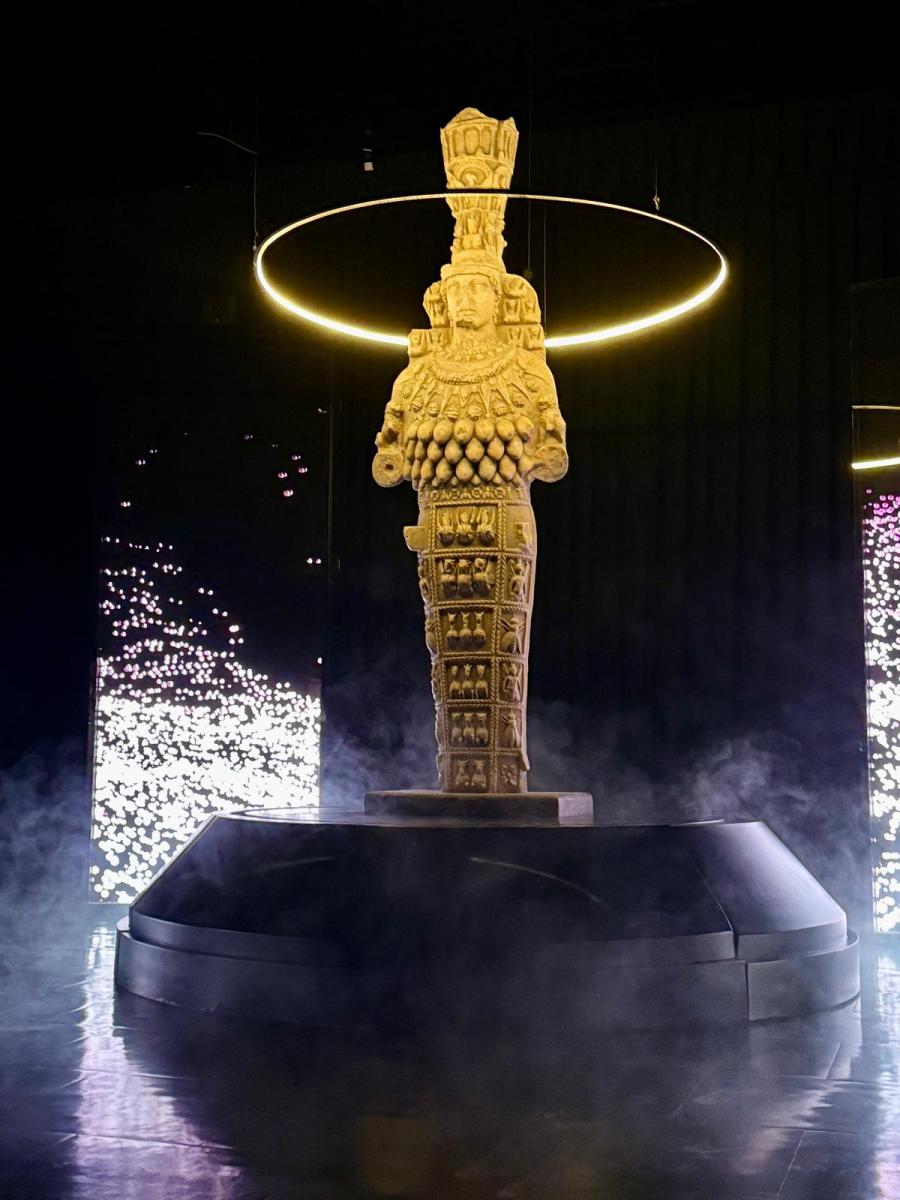
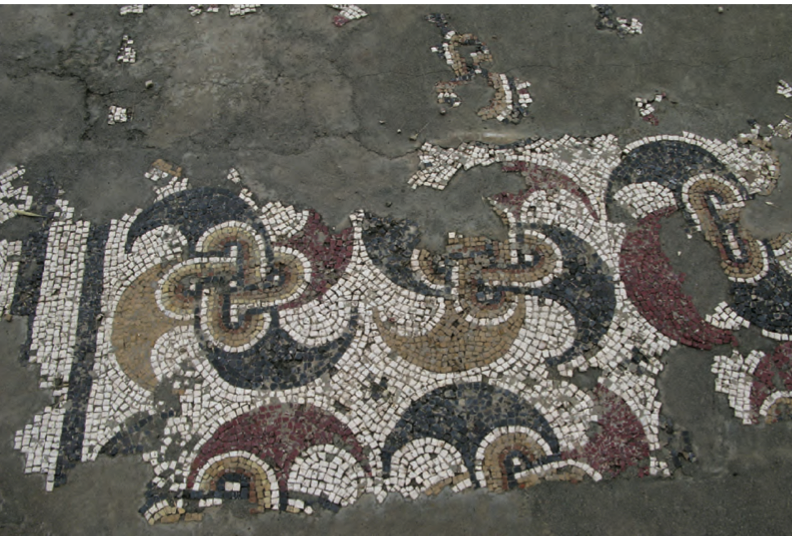
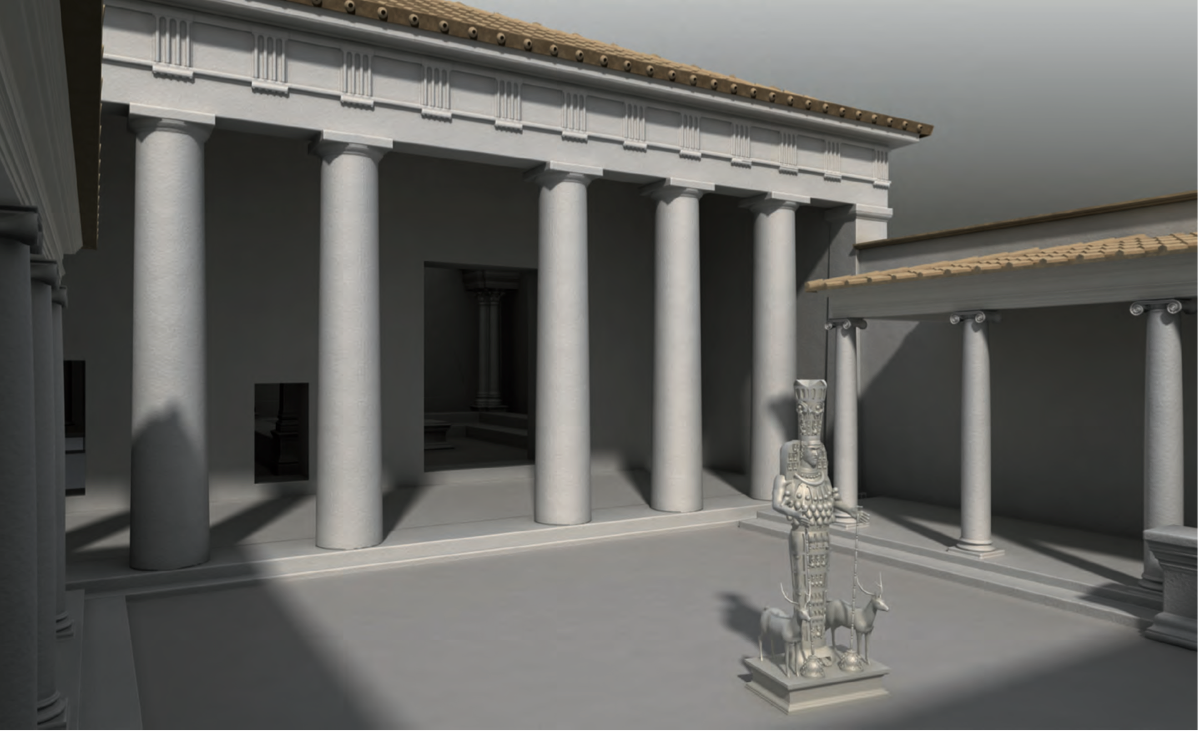
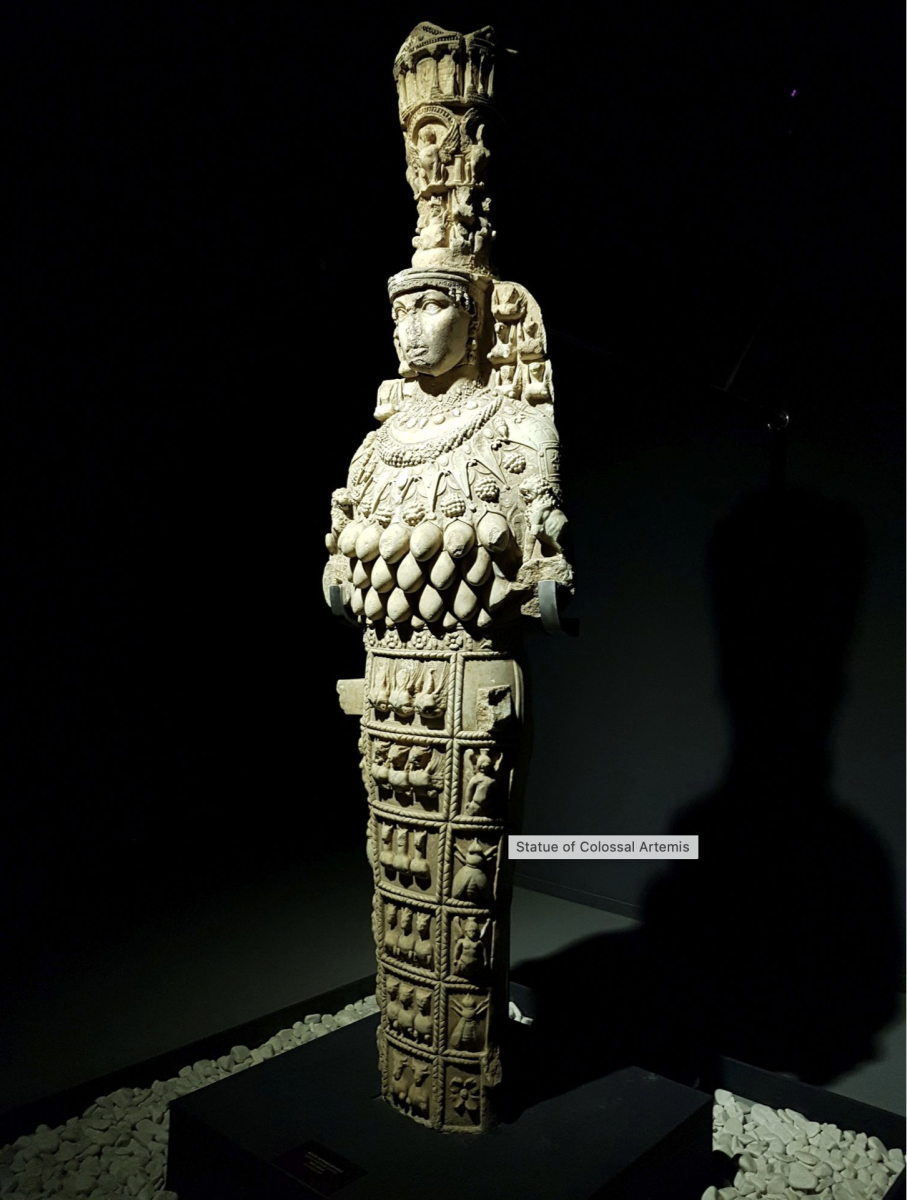
A few glimpses from our evening in Ephesus.
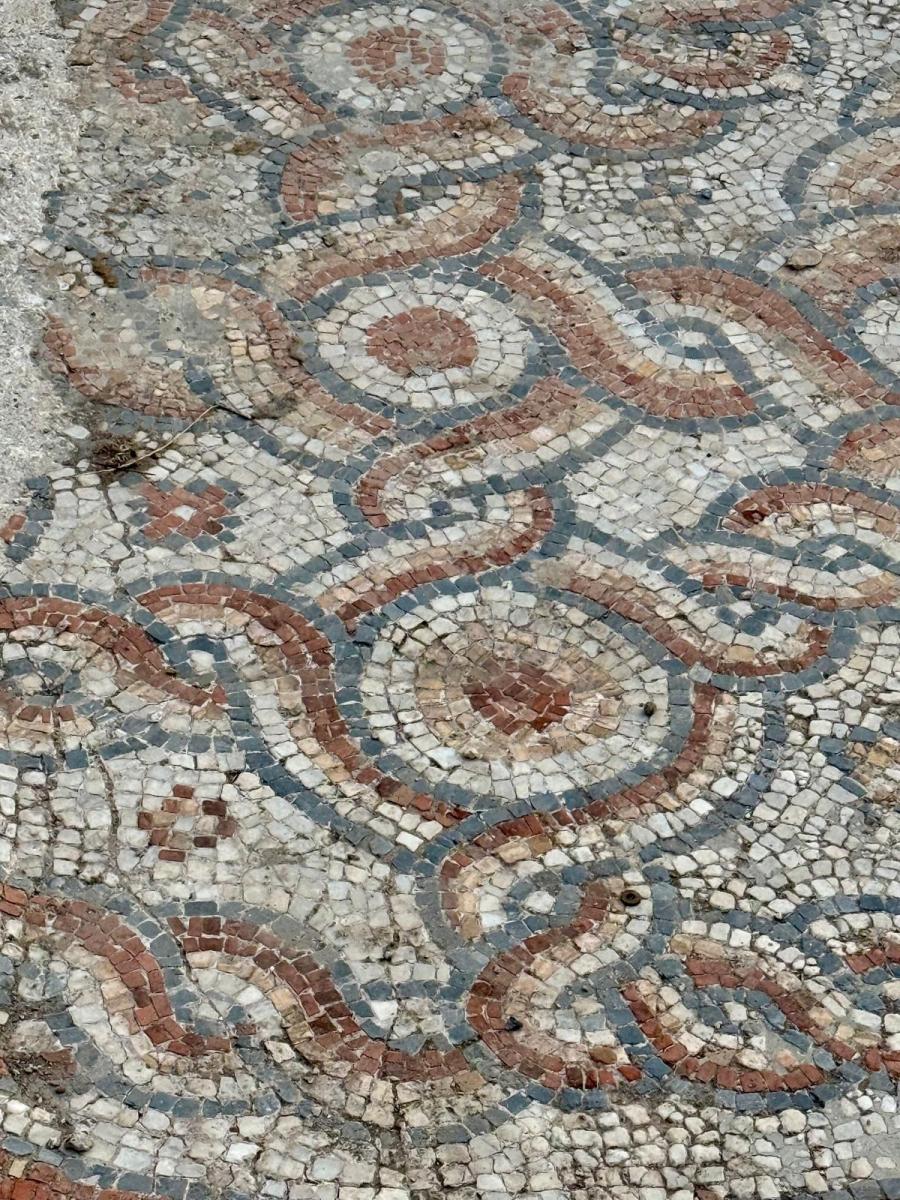
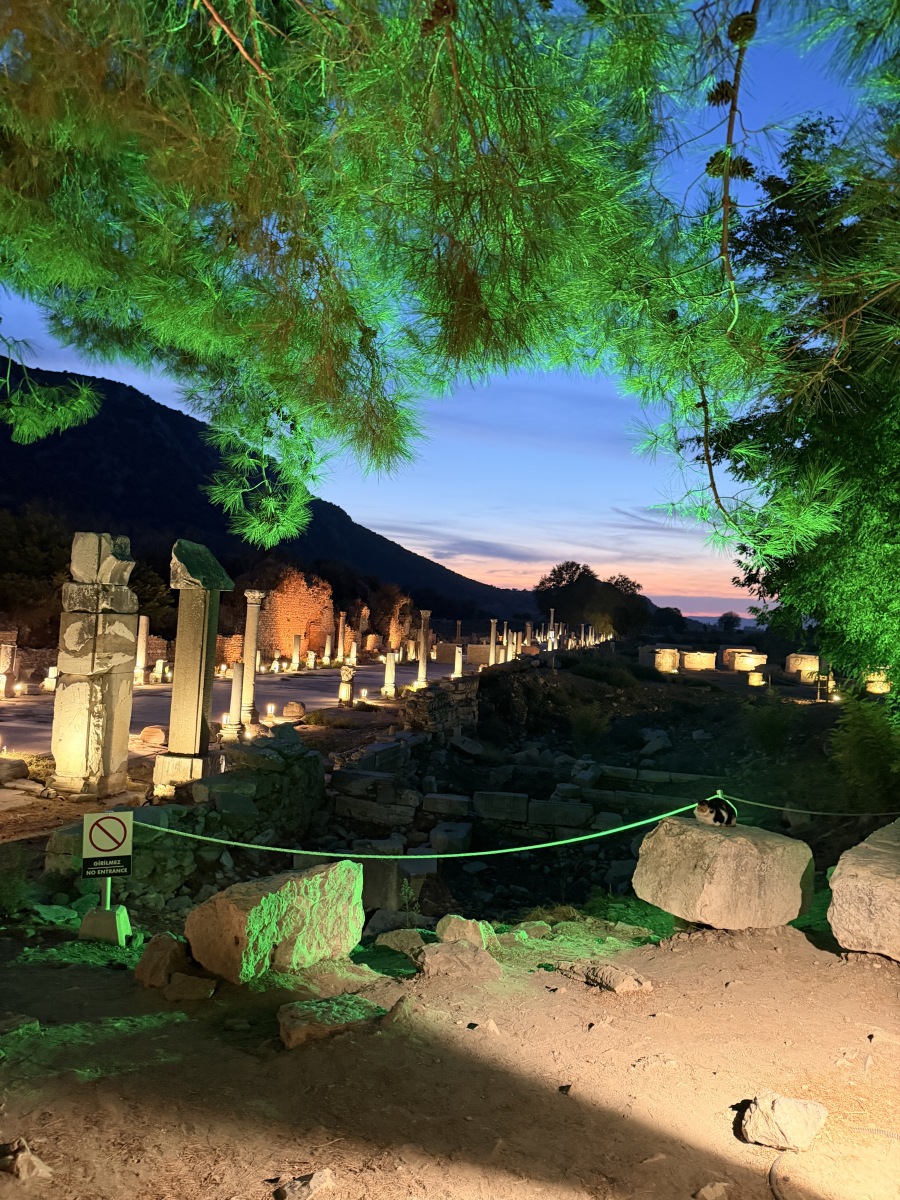
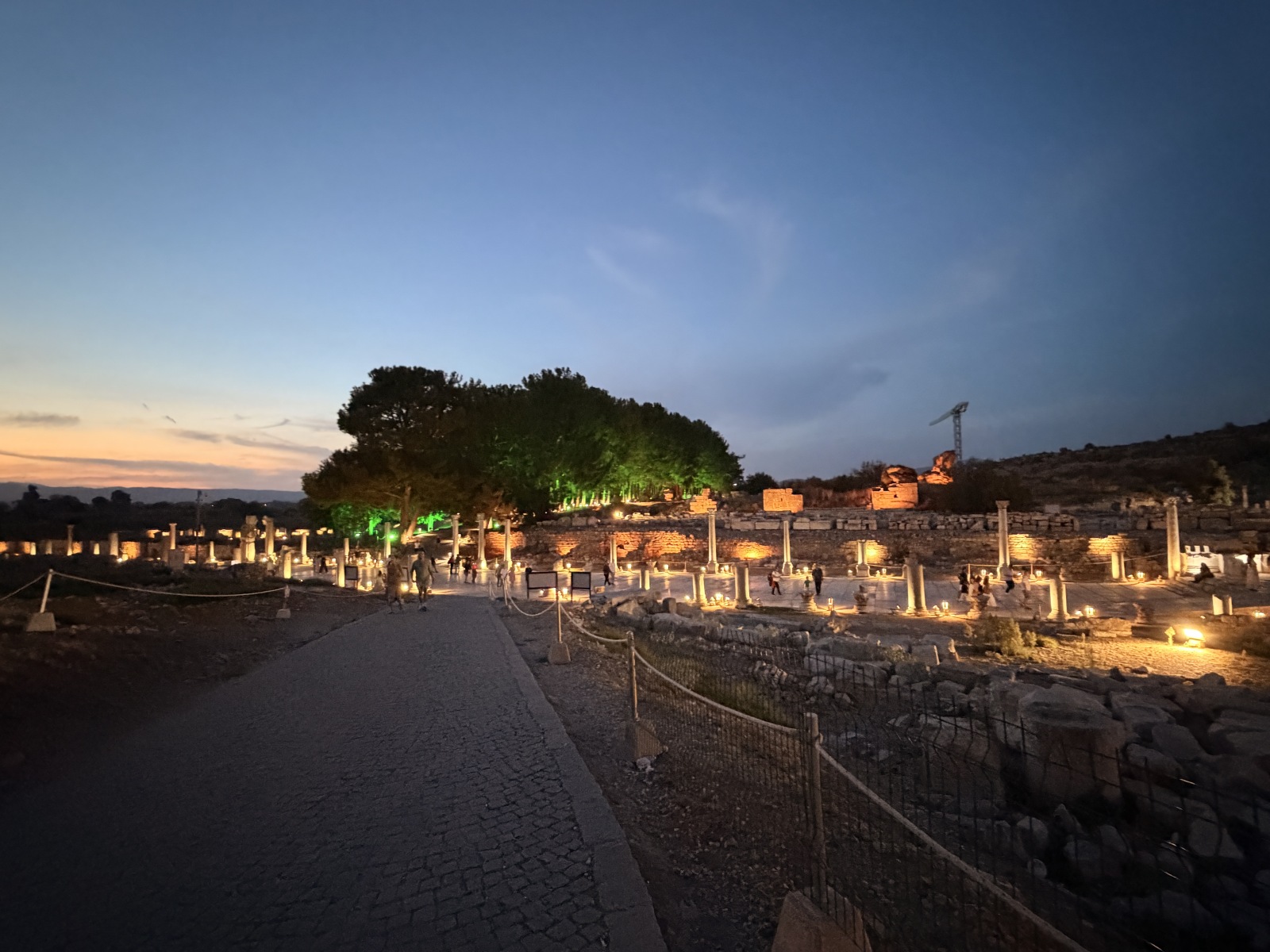
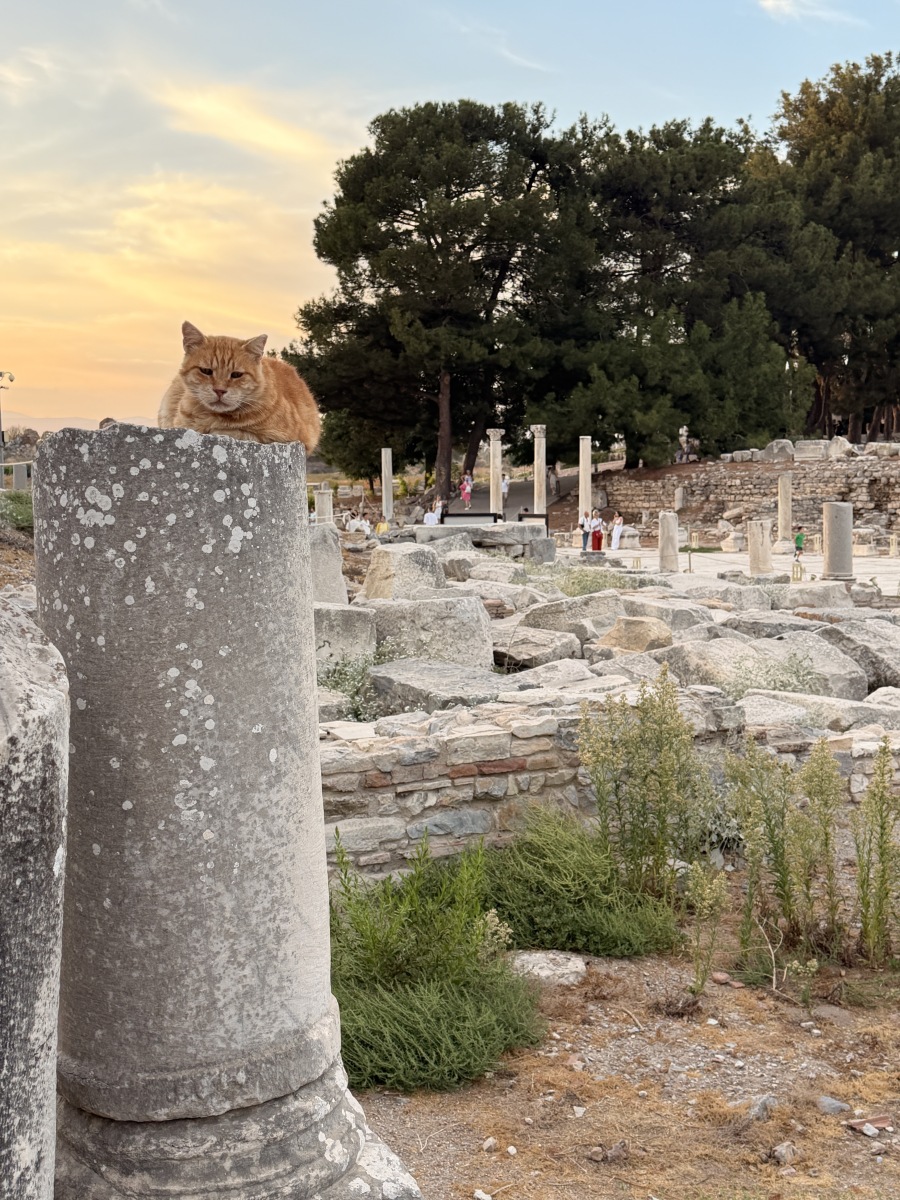
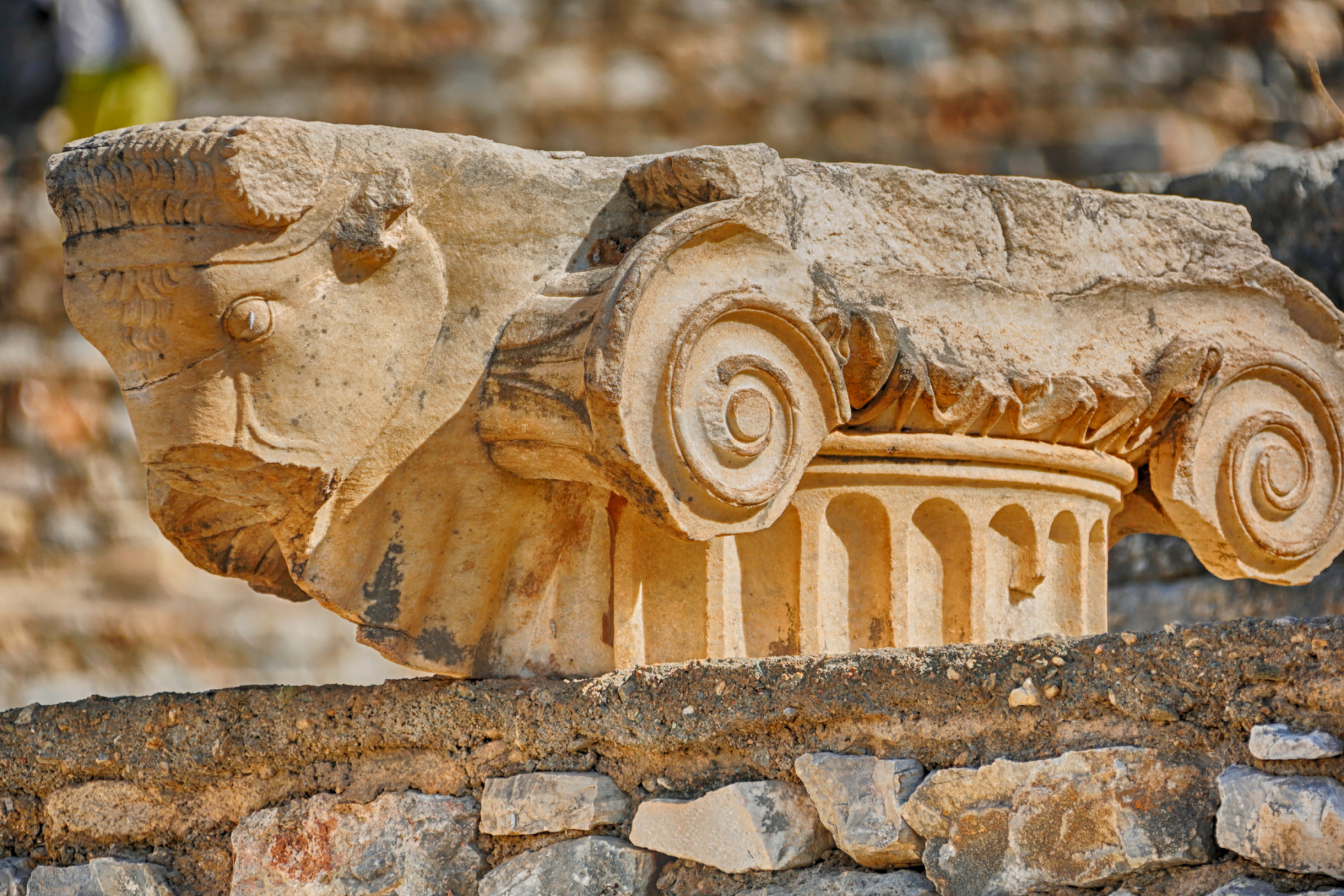
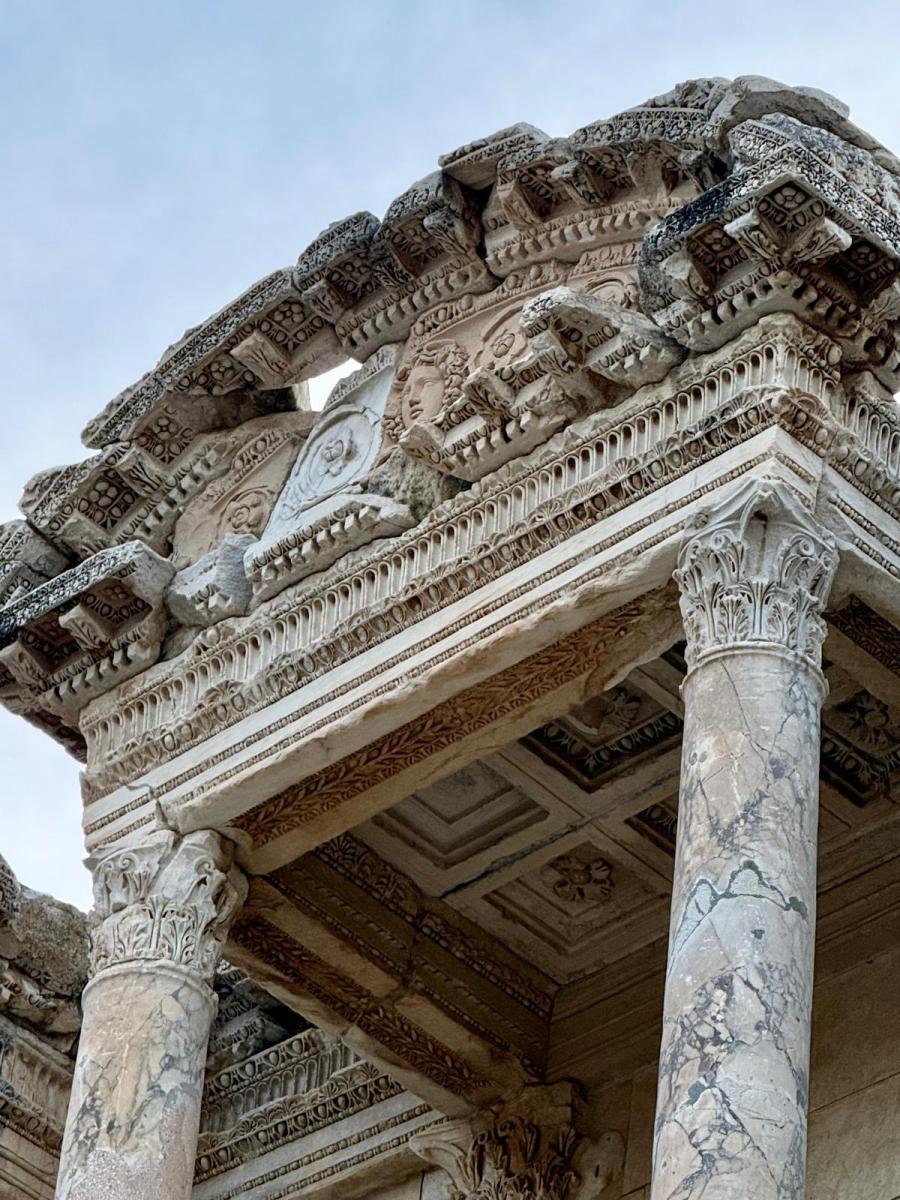
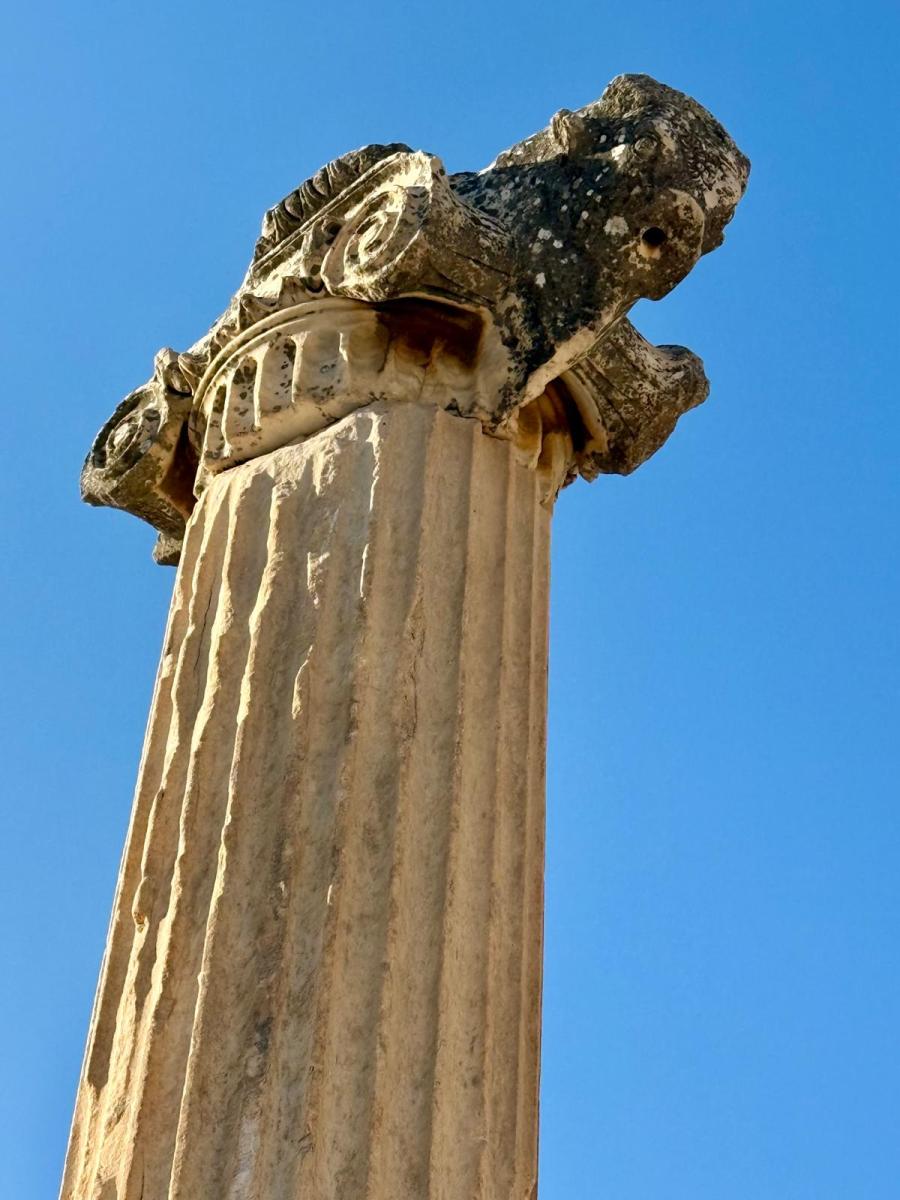
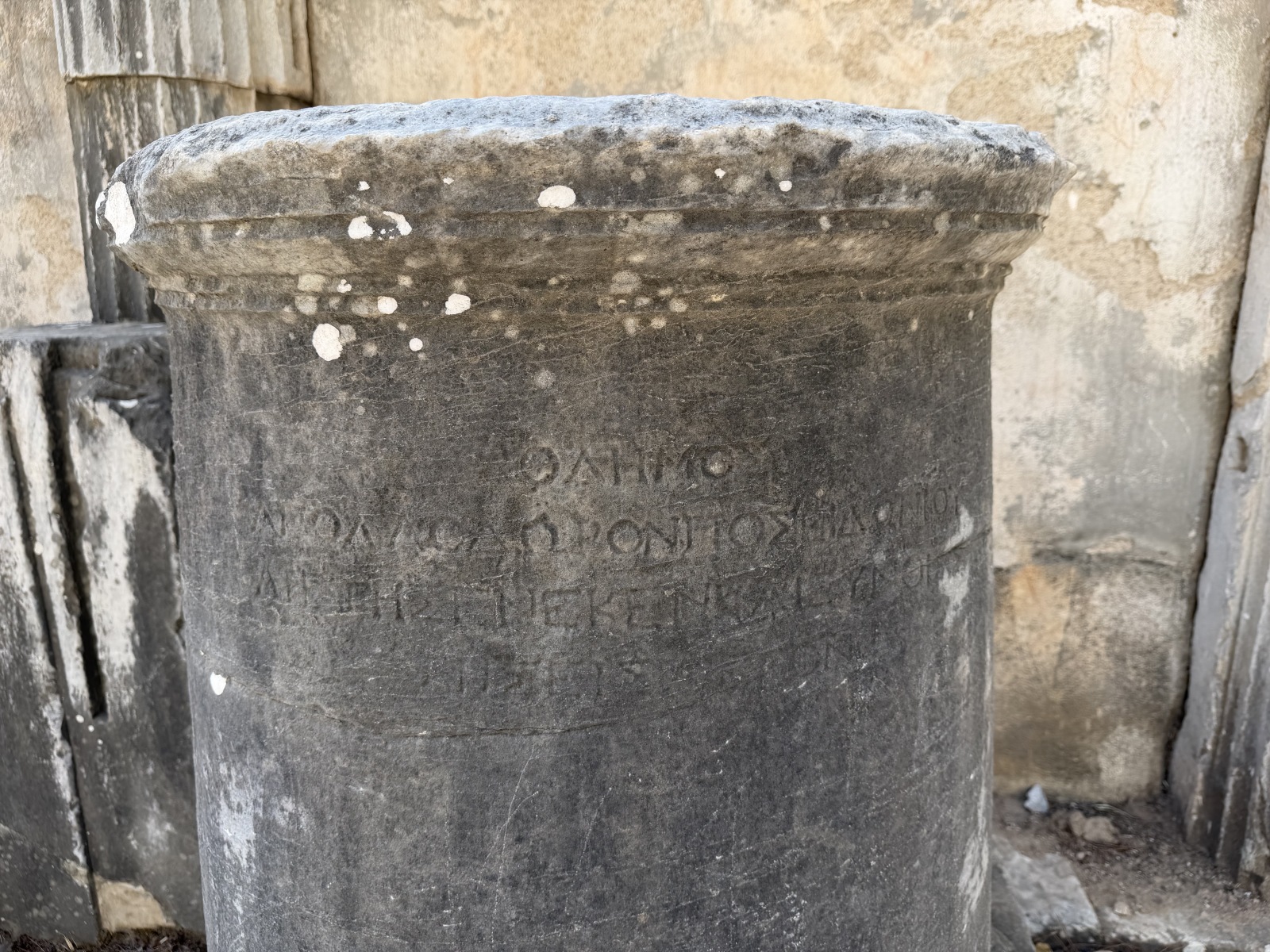
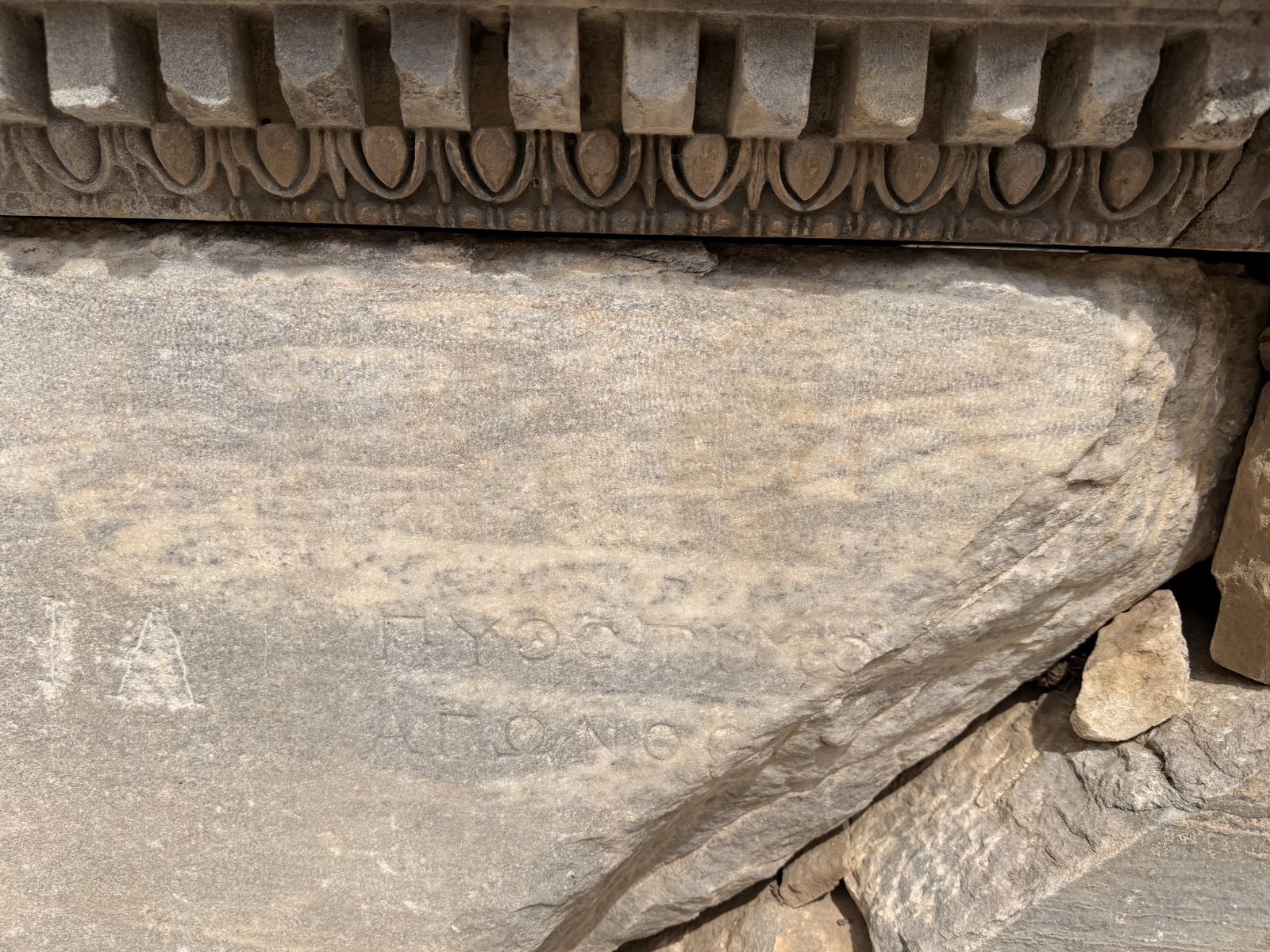
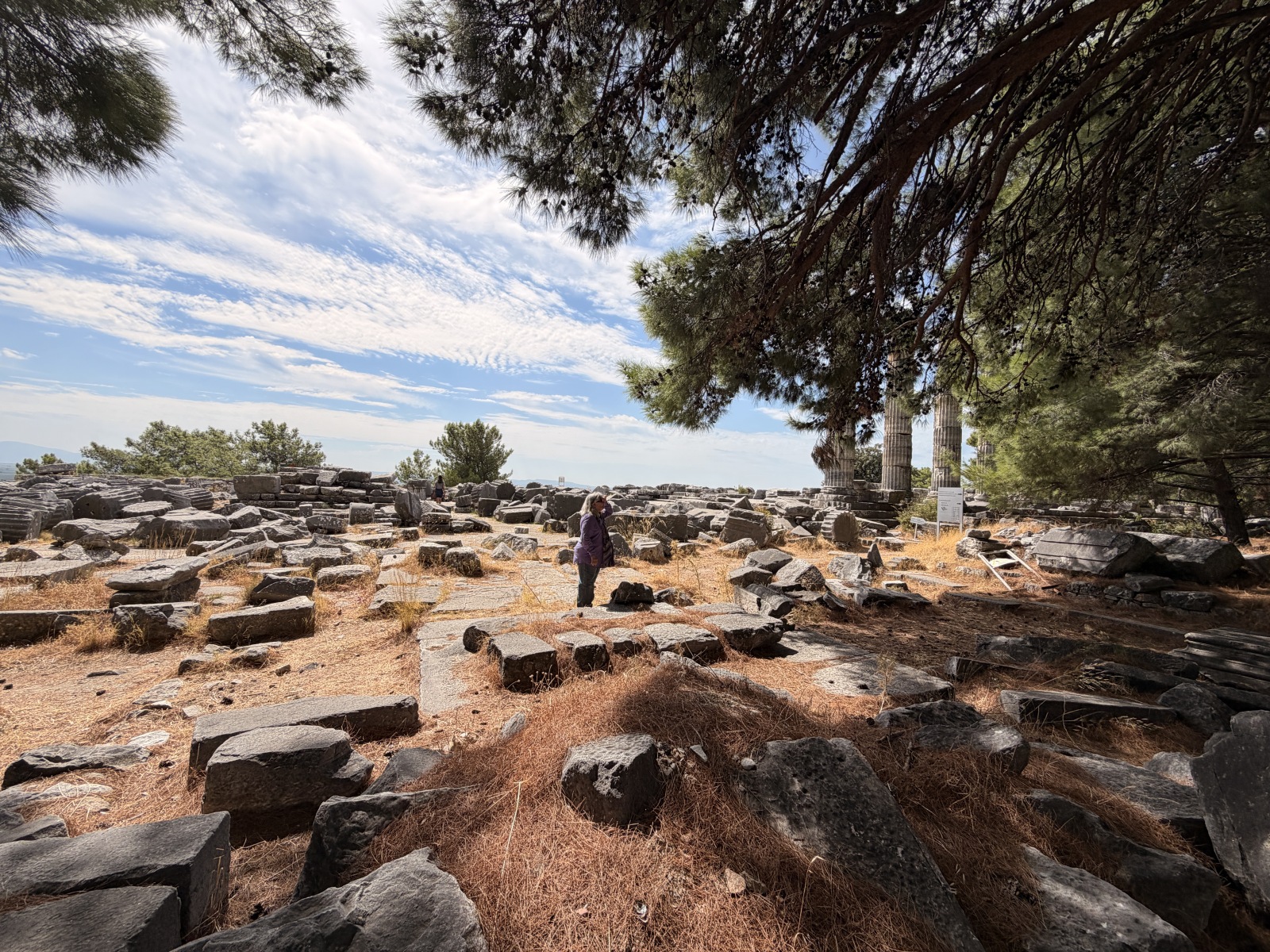
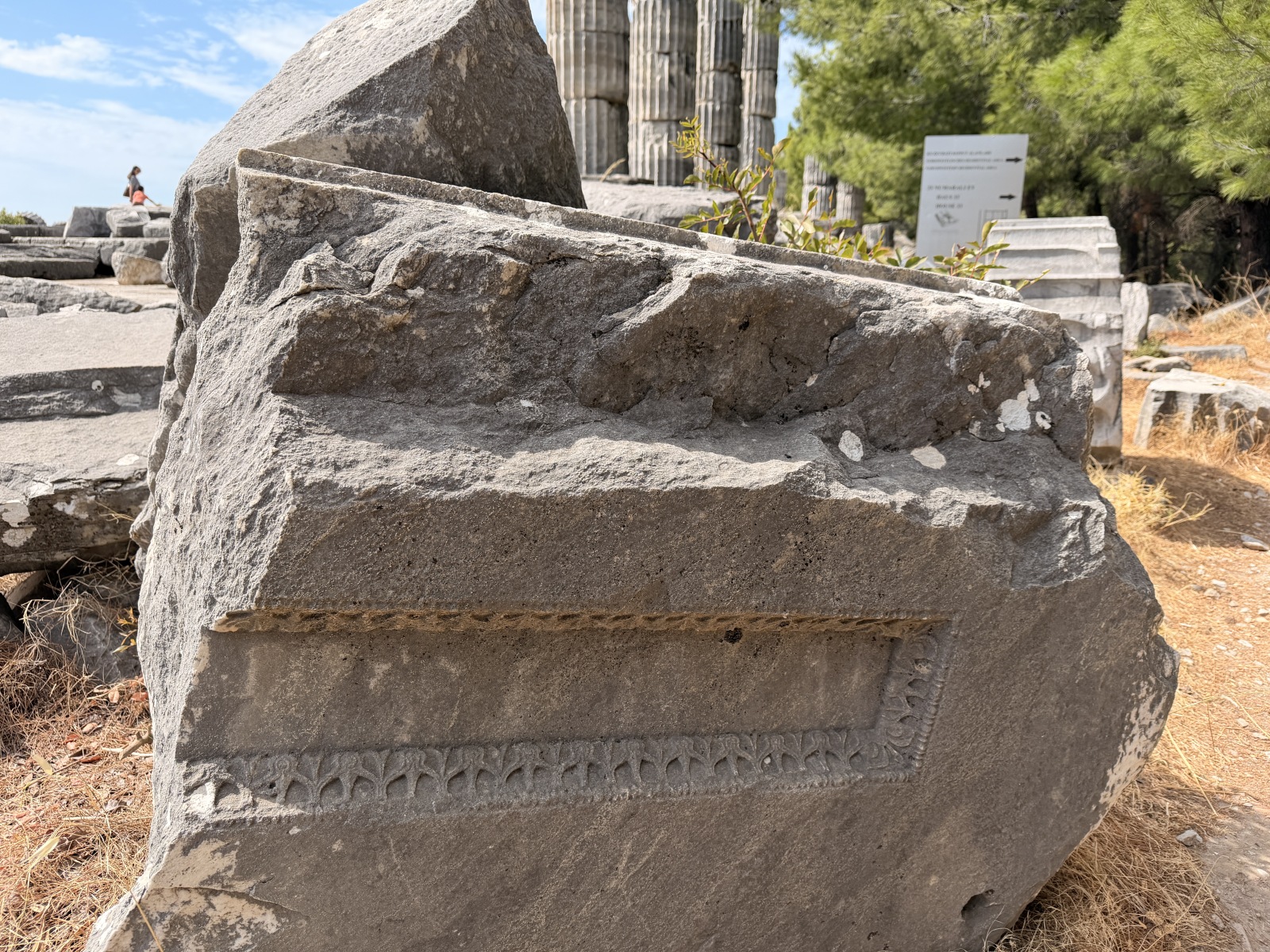
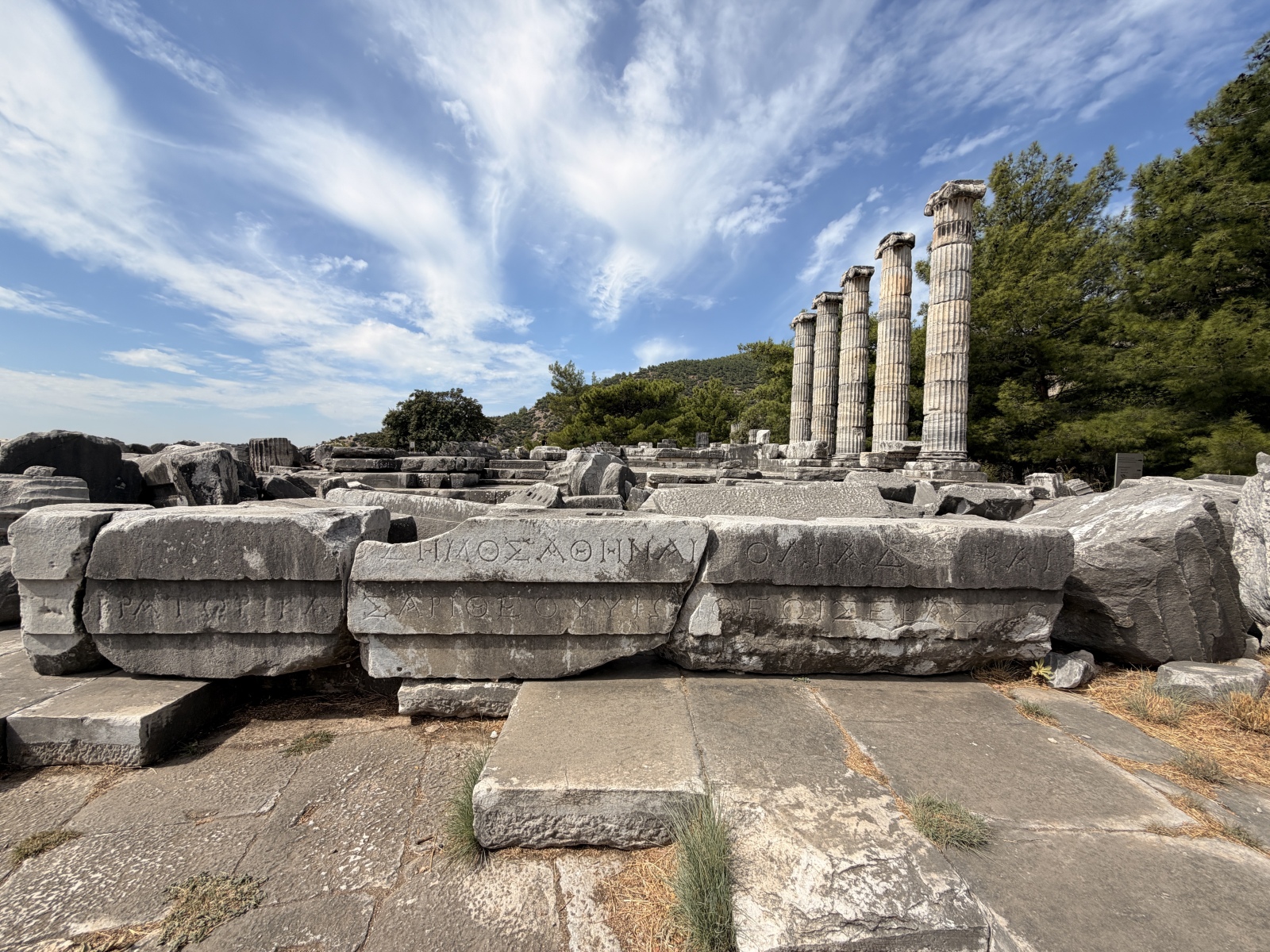
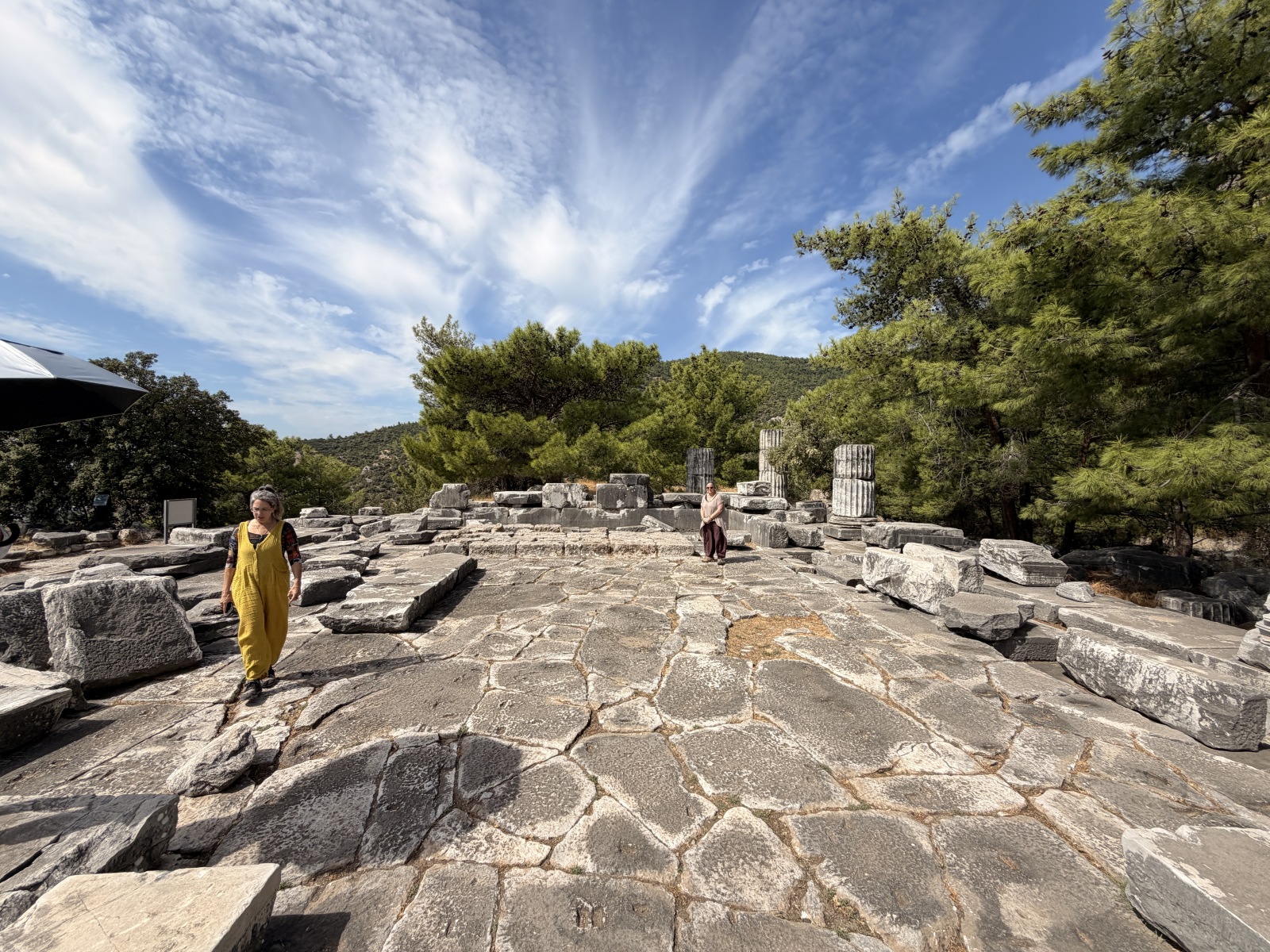
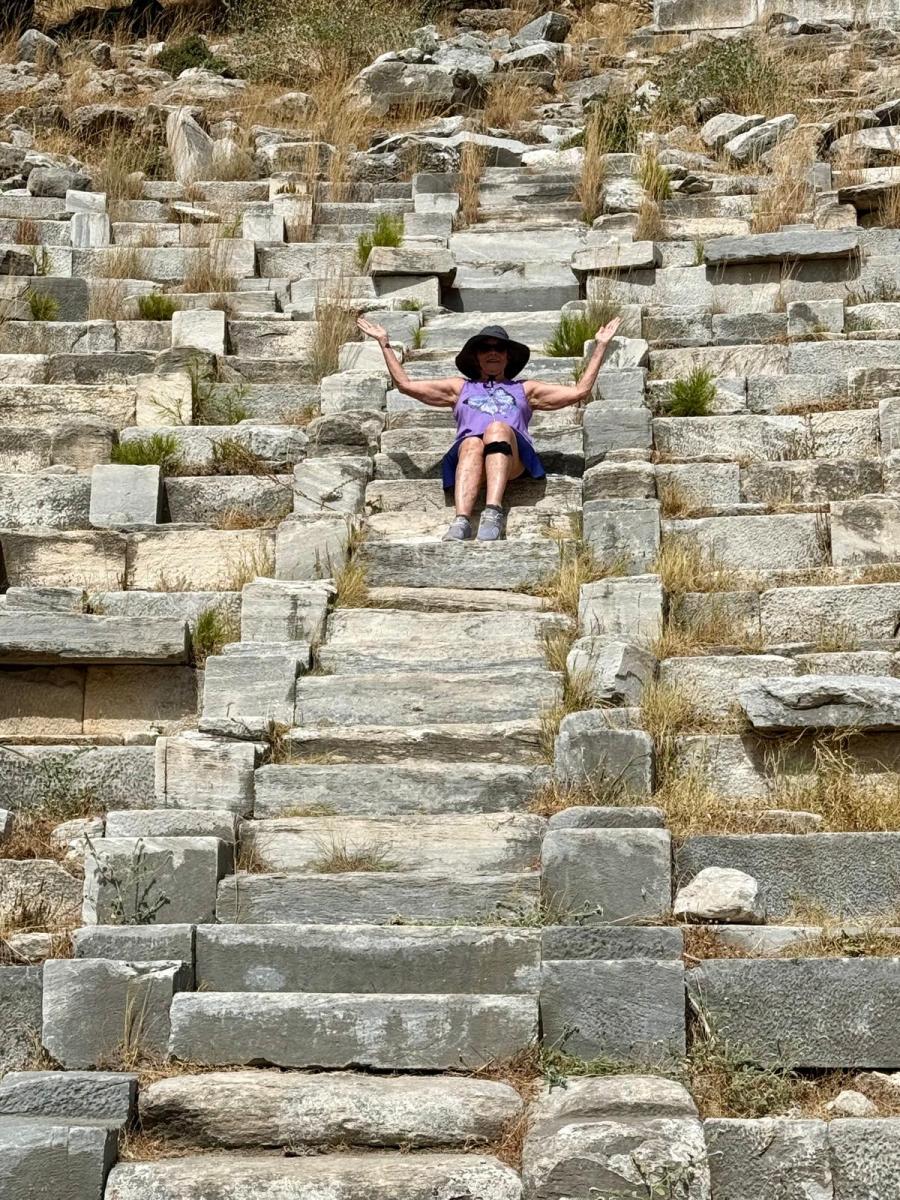
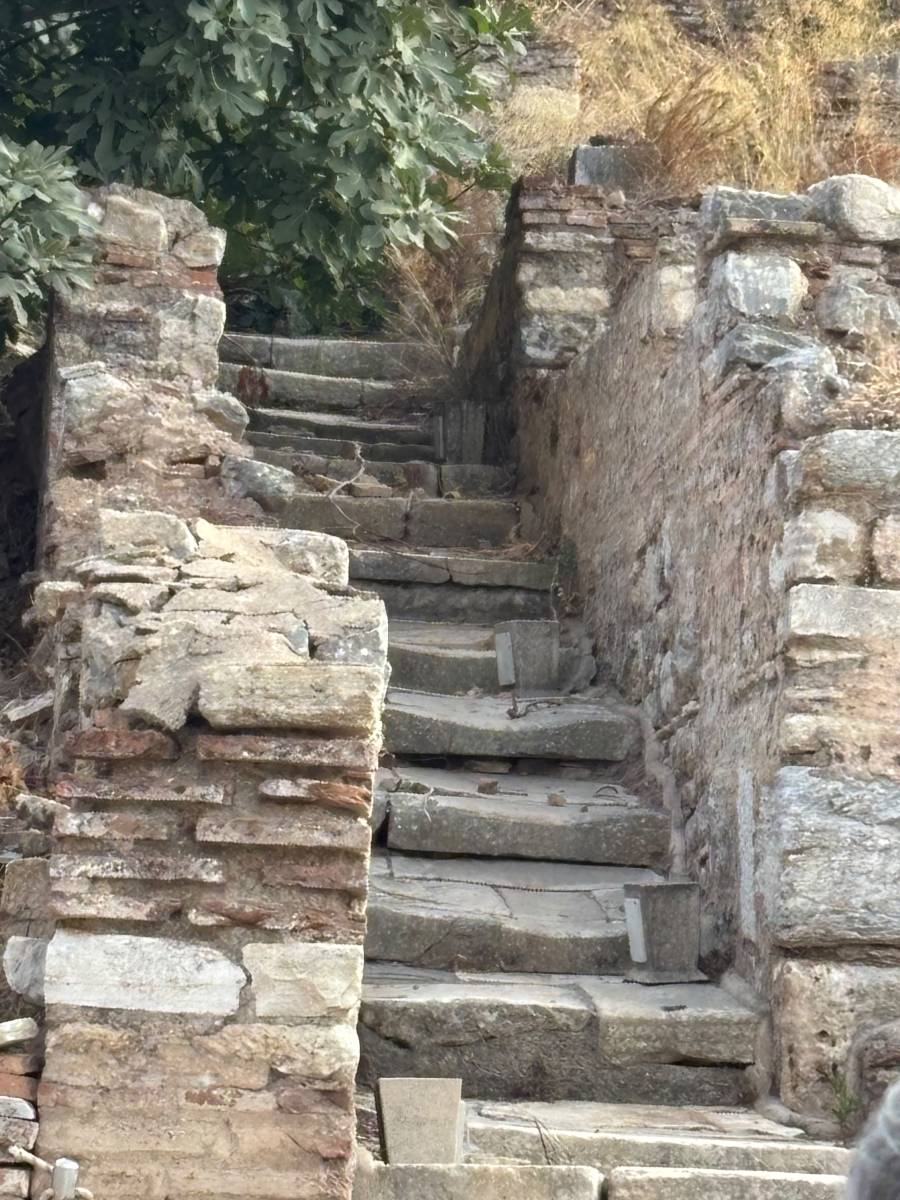
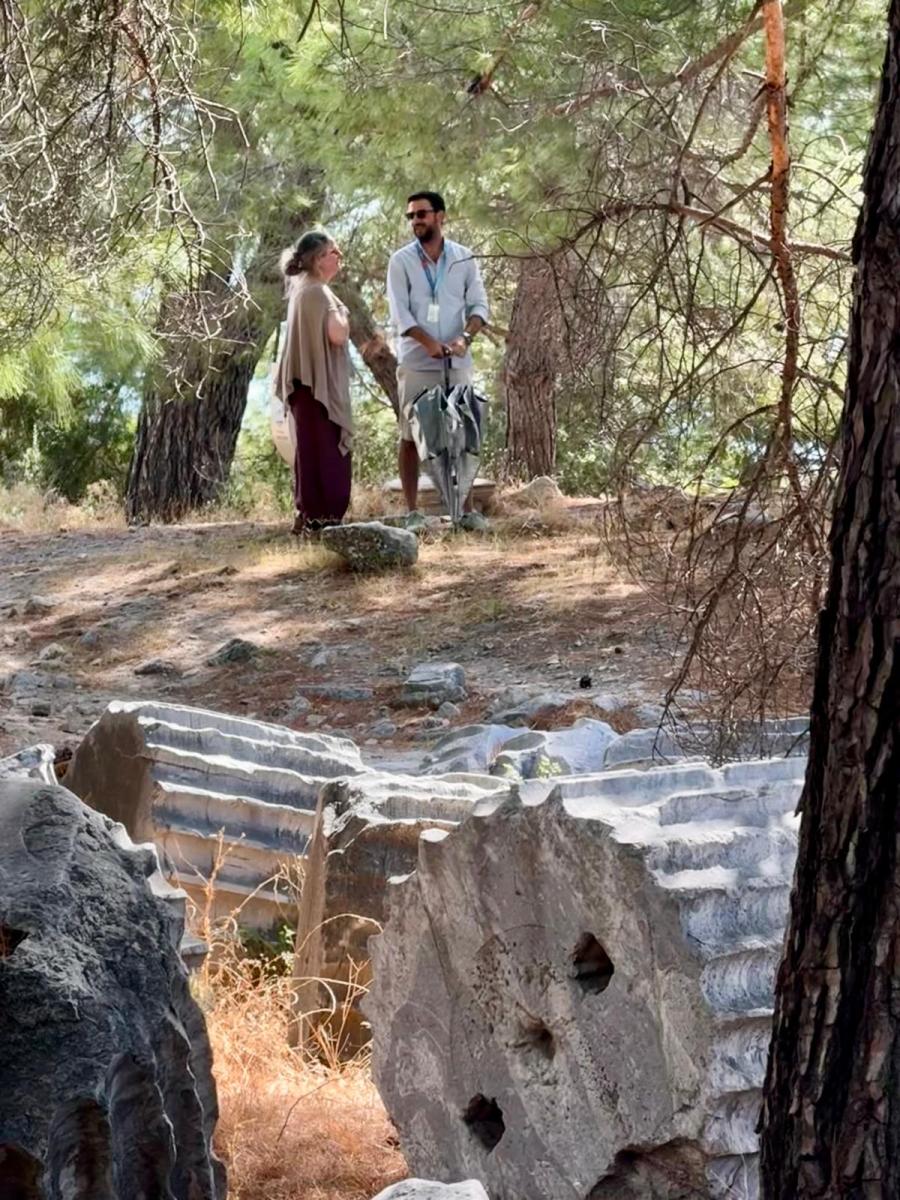
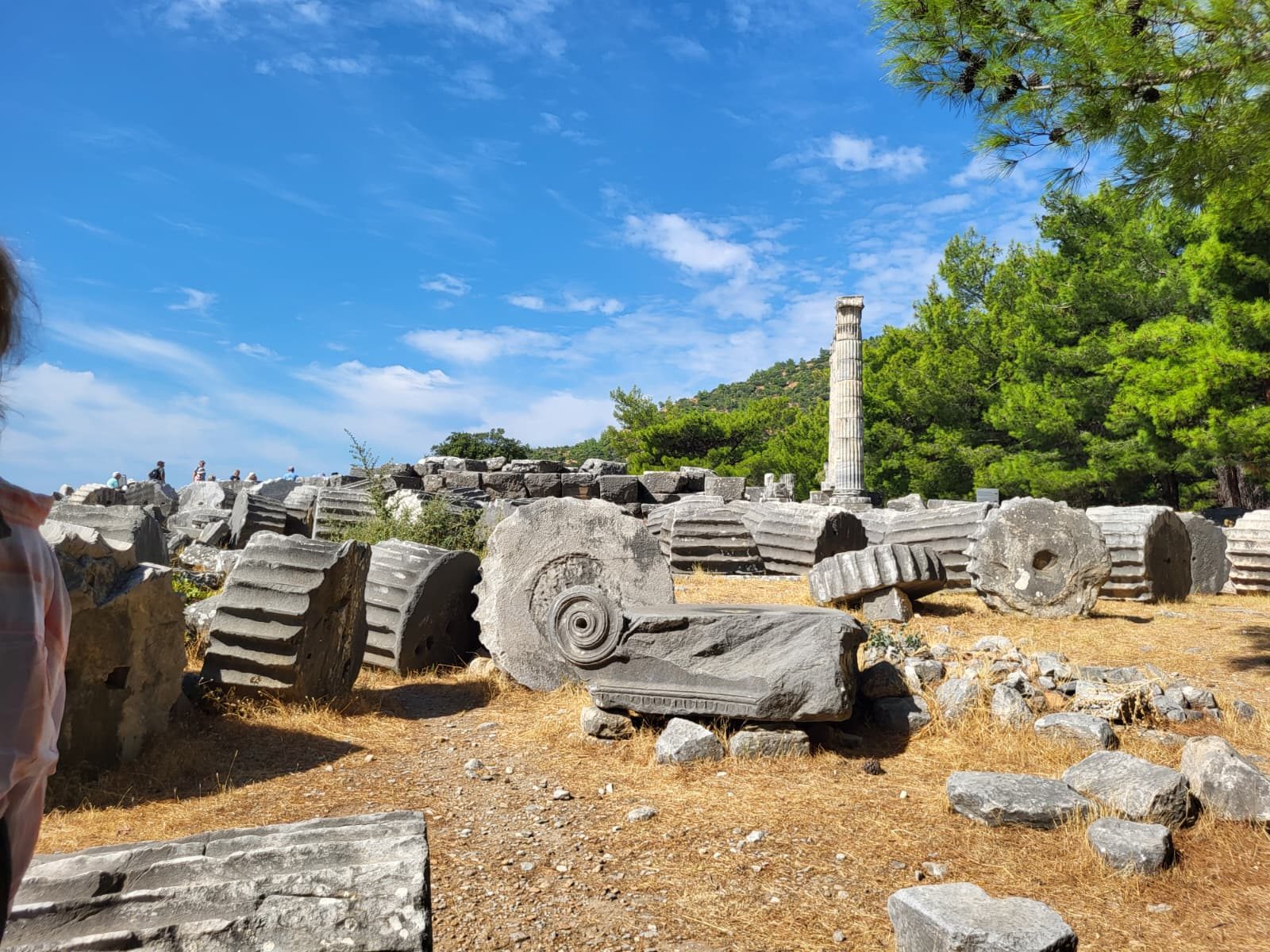
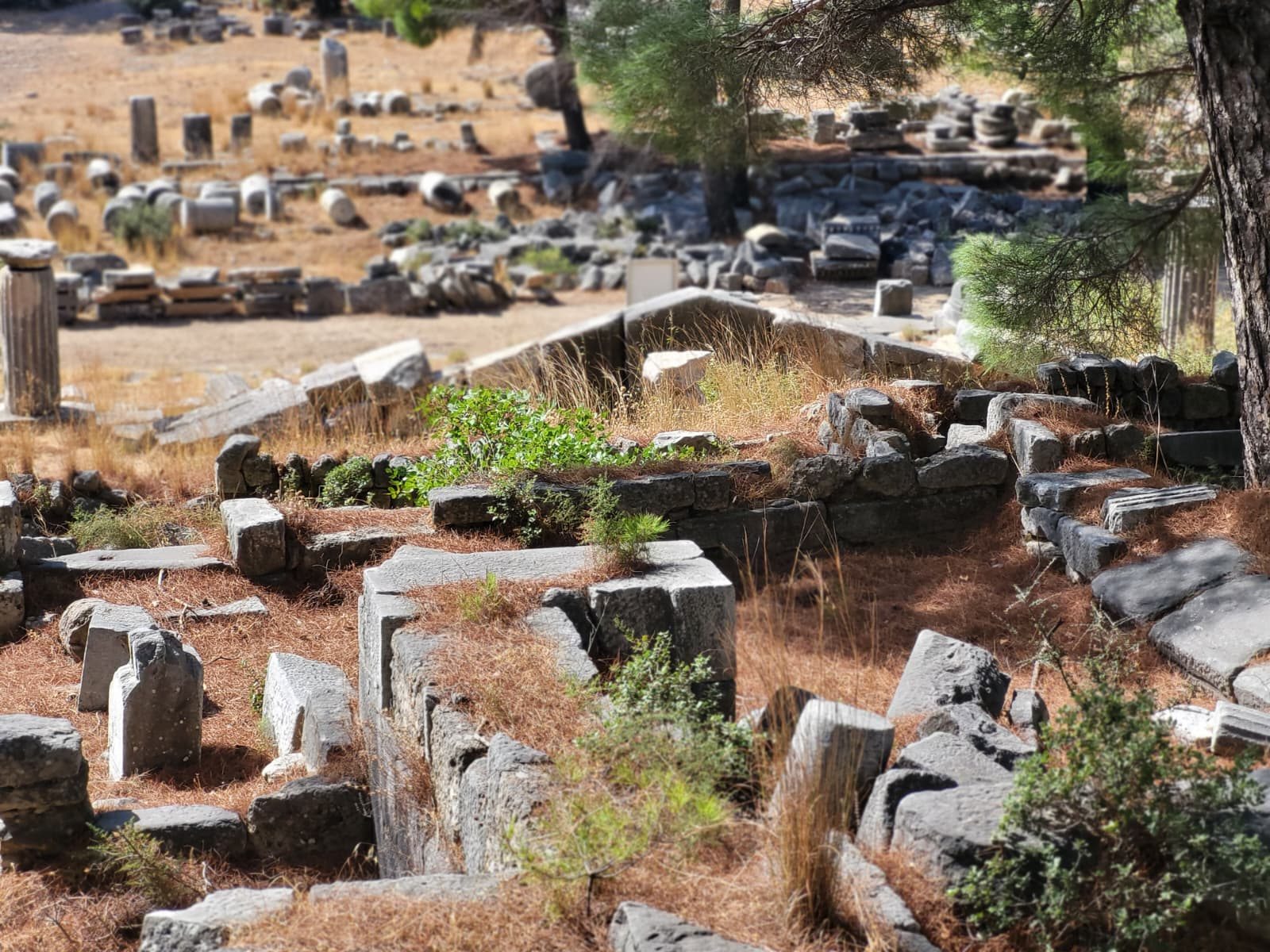
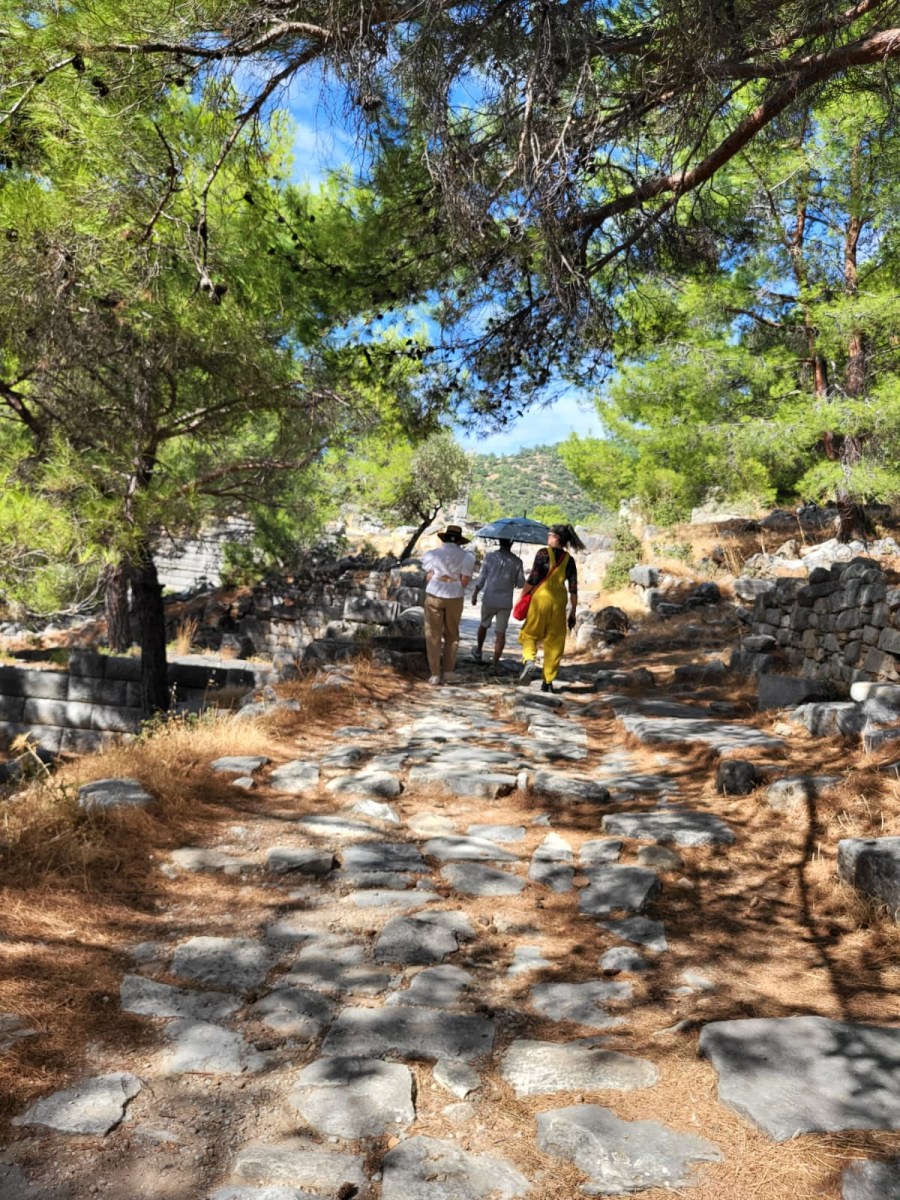
Temple of Athena at Priene | Starseed Türkiye Adventure
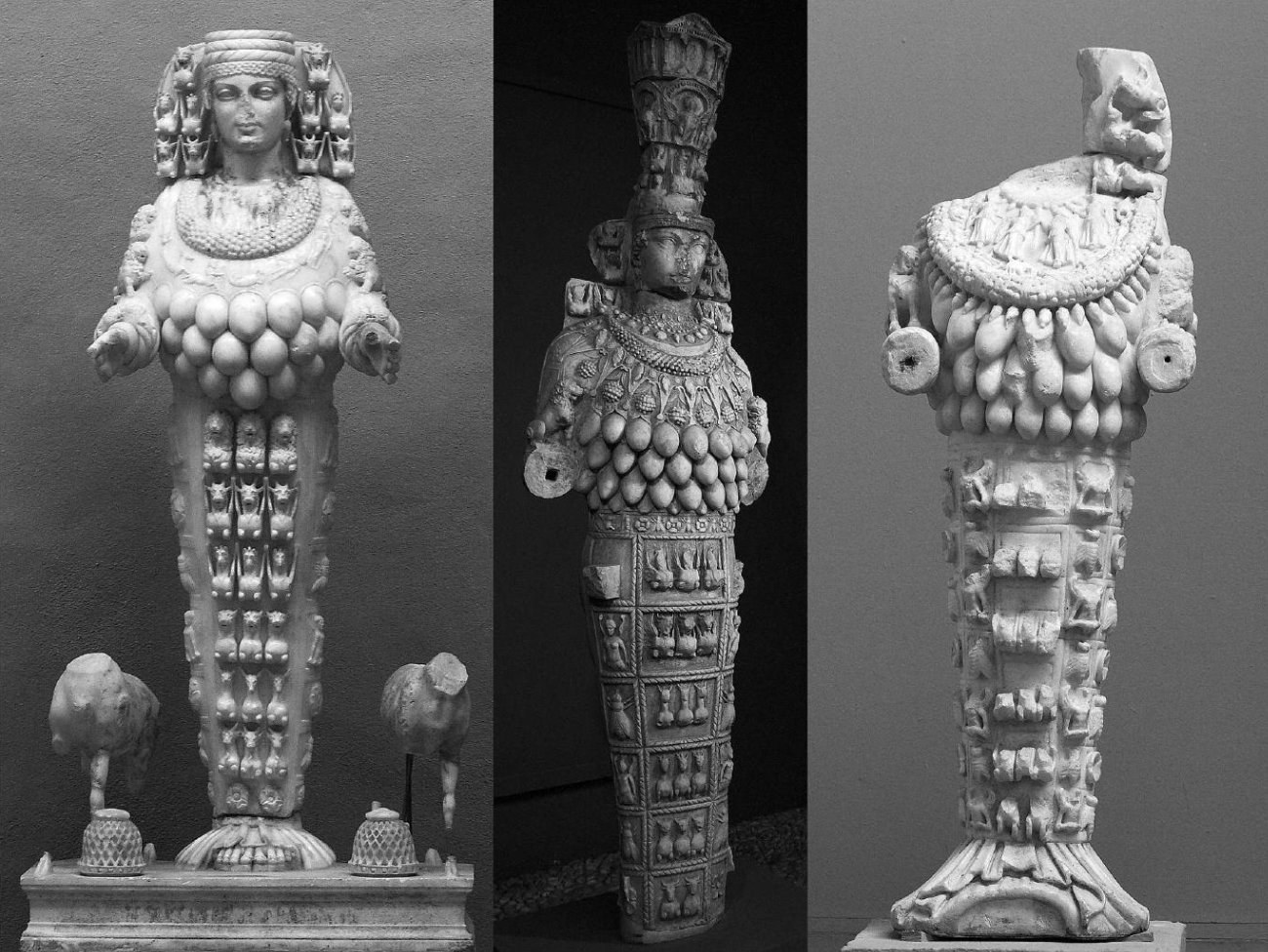
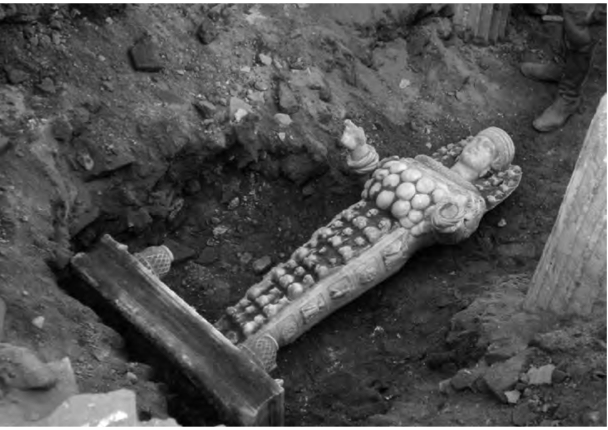
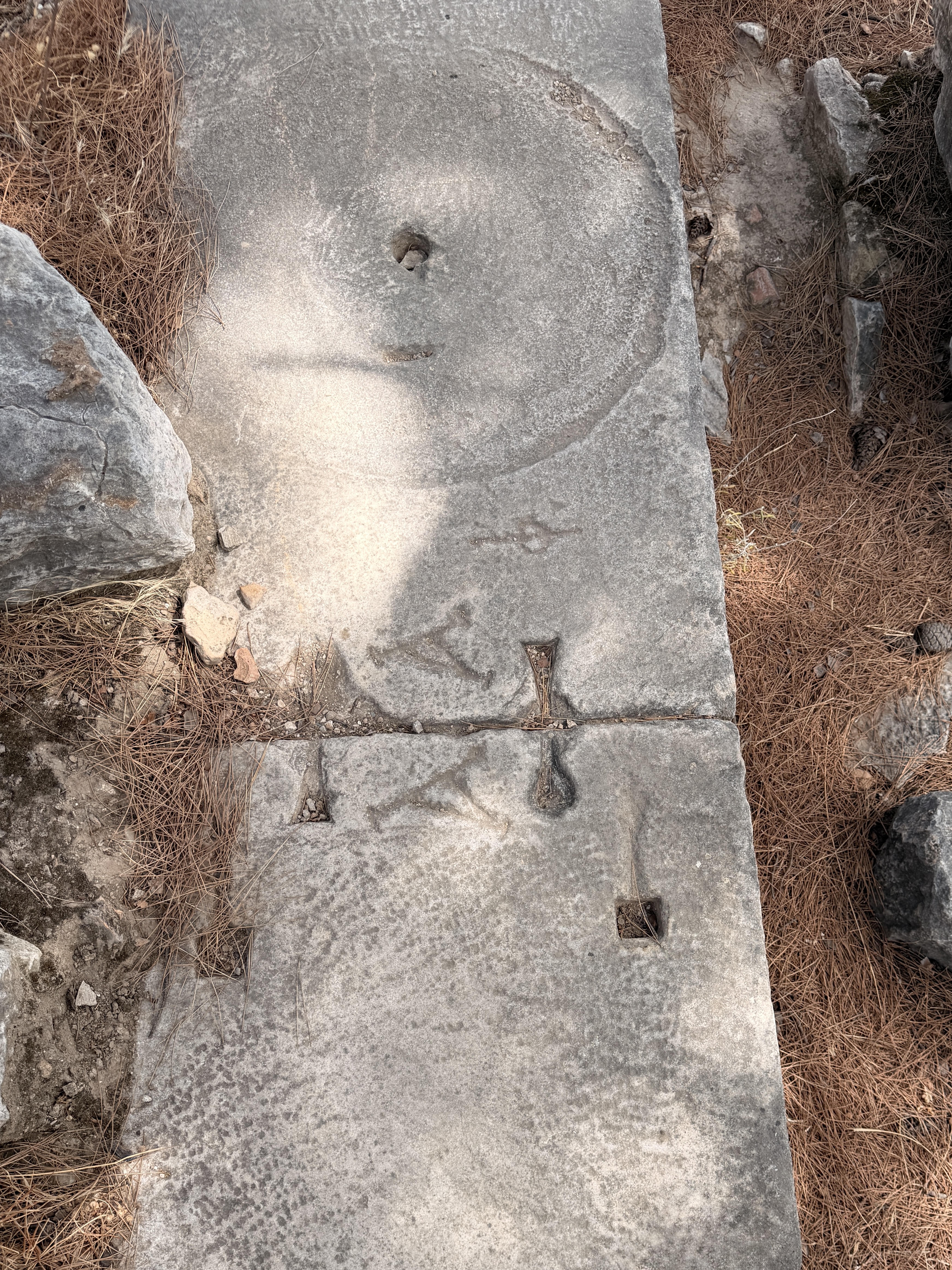
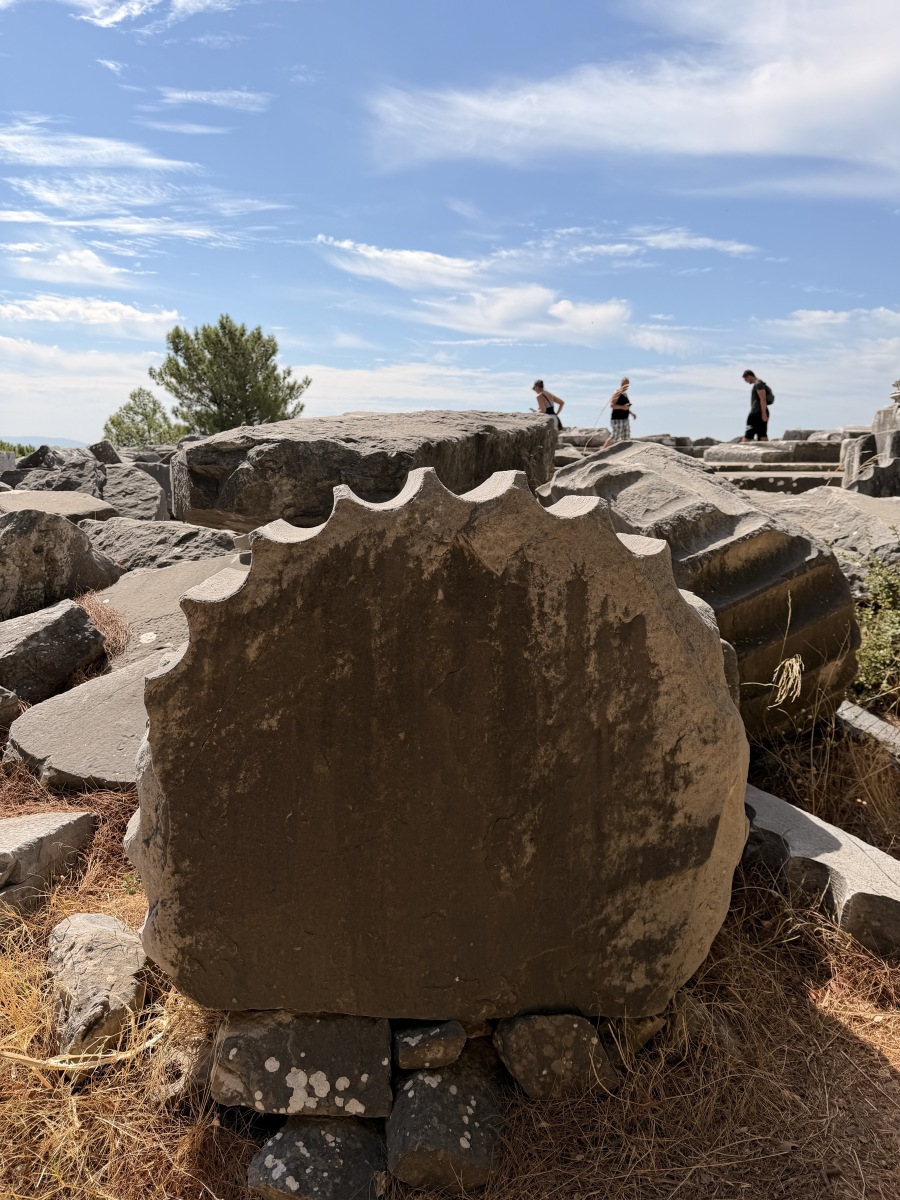
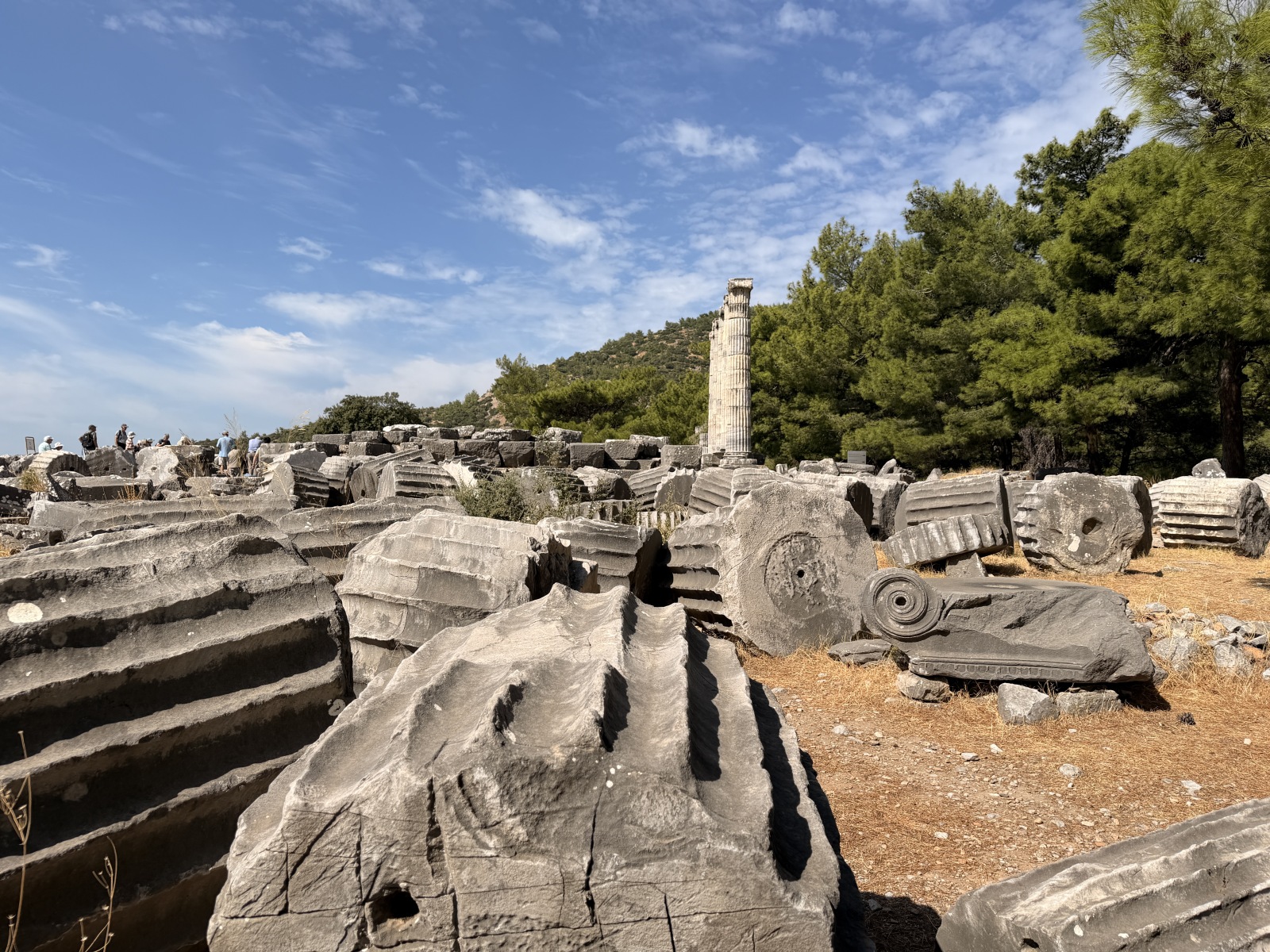
One of the lasting impressions of western Türkiye is not simply the grandeur of its ancient cities, but their survival. Successive generations inhabited these landscapes, yet much of the ancient world remained. At Priene, Richard Popplewell Pullan, excavating on behalf of the Society of Dilettanti in 1868-69, uncovered the Temple of Athena Polias and the famous dedication of Alexander the Great. Fragments of Athena’s cult statue, modeled after the celebrated Athena Parthenos of Athens, were later recovered through subsequent excavations led by Carl Humann and Theodor Wiegand. At Ephesus, Franz Miltner’s team documented the discovery of the celebrated Artemis statues where they had lain for centuries. These finds remind us that archaeology is not only a story of what was lost, but also of what endured.
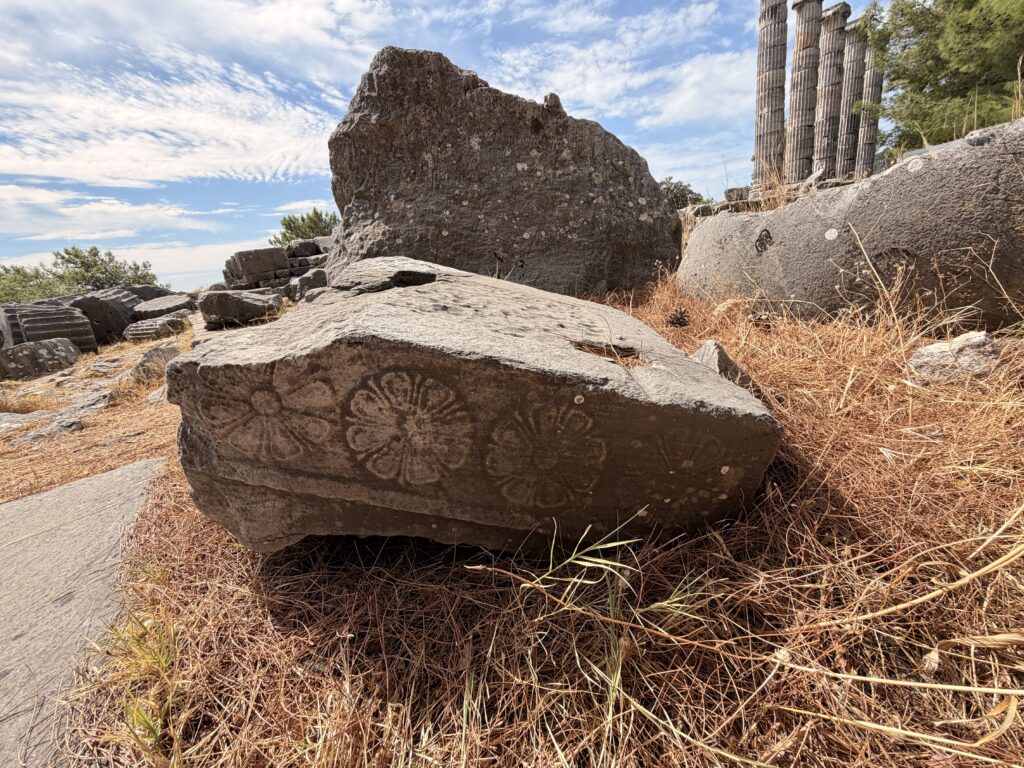
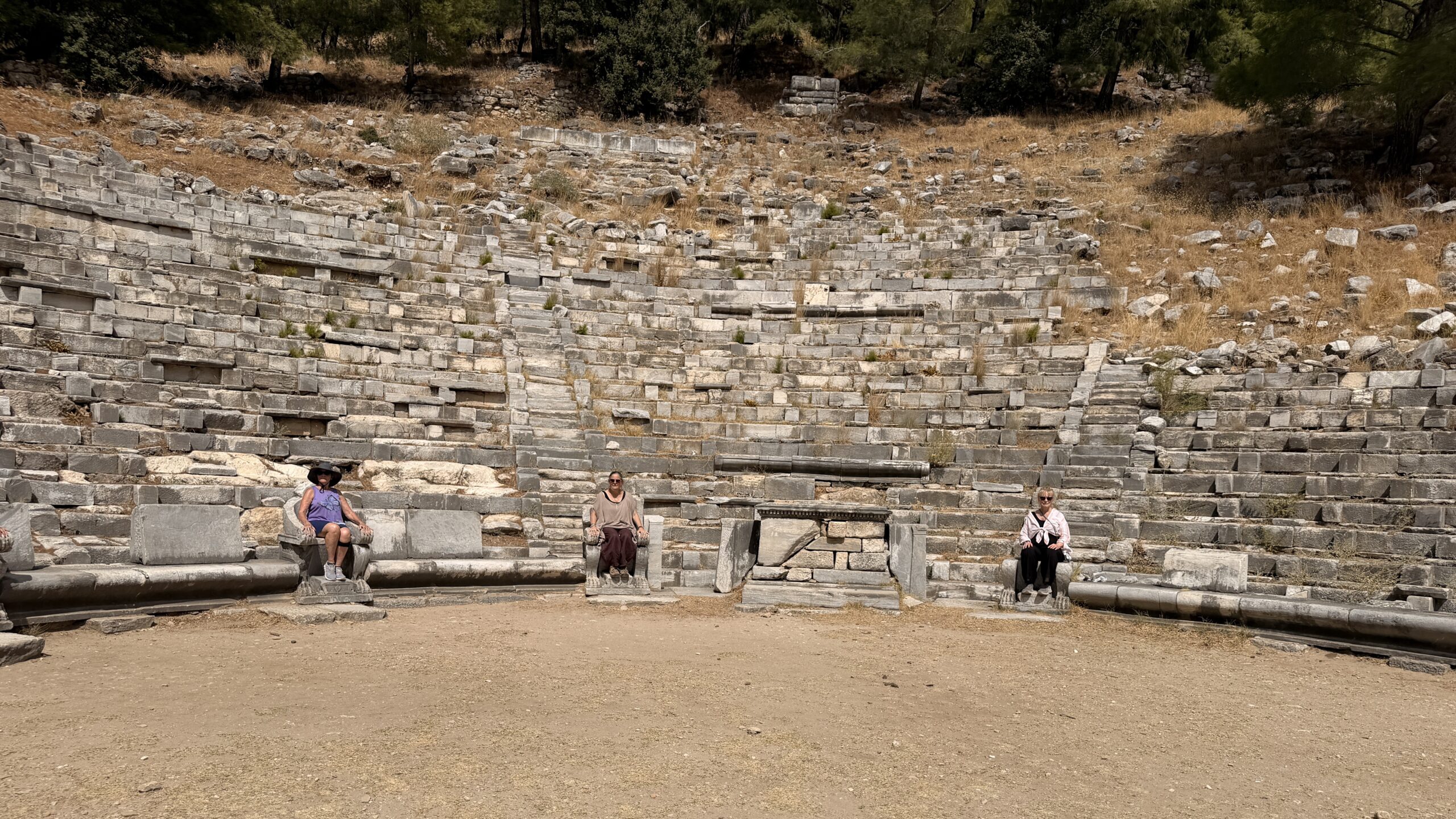
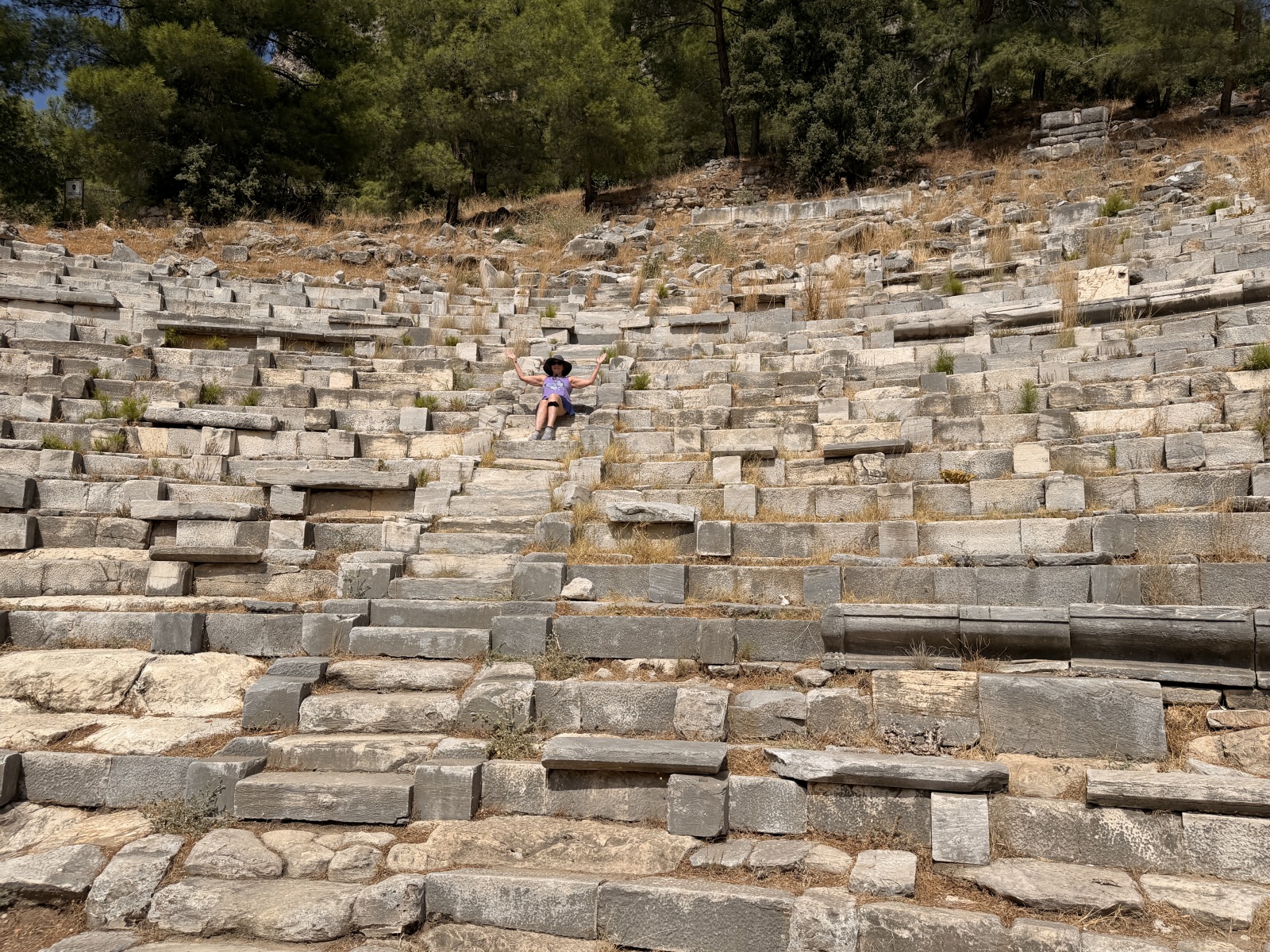
Yet what lingered most from our visit to Priene was a profound sense of peace. Unlike many ancient cities shaped by conquest, fire, or deliberate destruction, Priene met a quieter fate. Over time, the Maeander River deposited vast quantities of silt along the coast, gradually pushing the sea farther and farther away. Built as a thriving port city on the slopes of Mount Mykale, Priene eventually found itself stranded inland, cut off from the maritime routes that once sustained it. As access diminished, the city slowly declined, leaving behind one of the best-preserved urban plans of the Greek world.
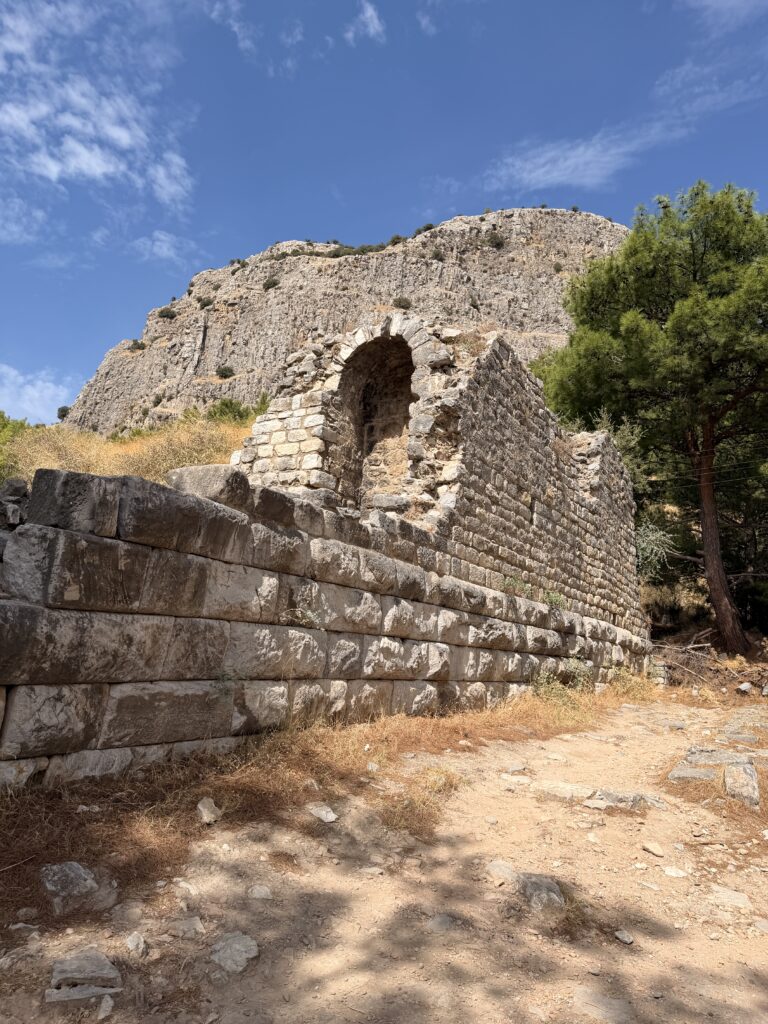
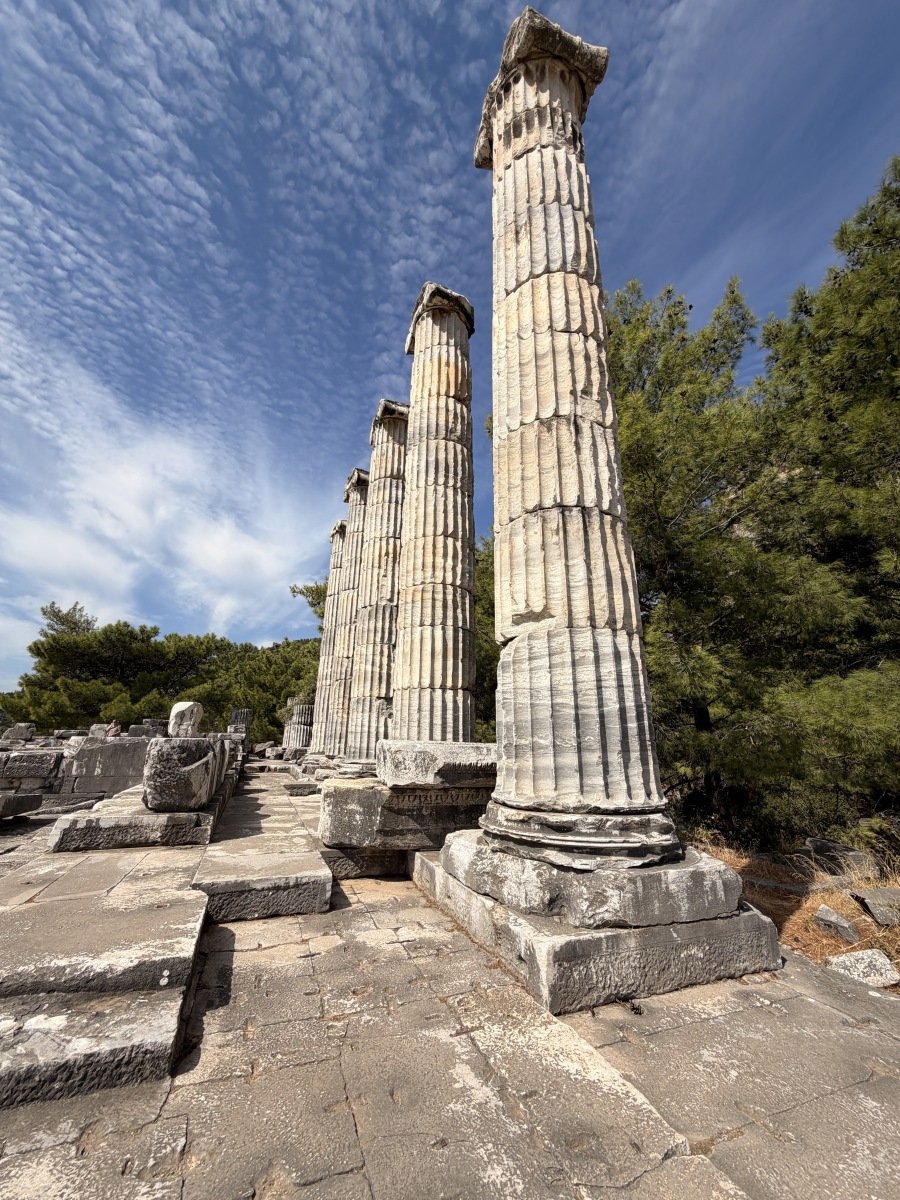
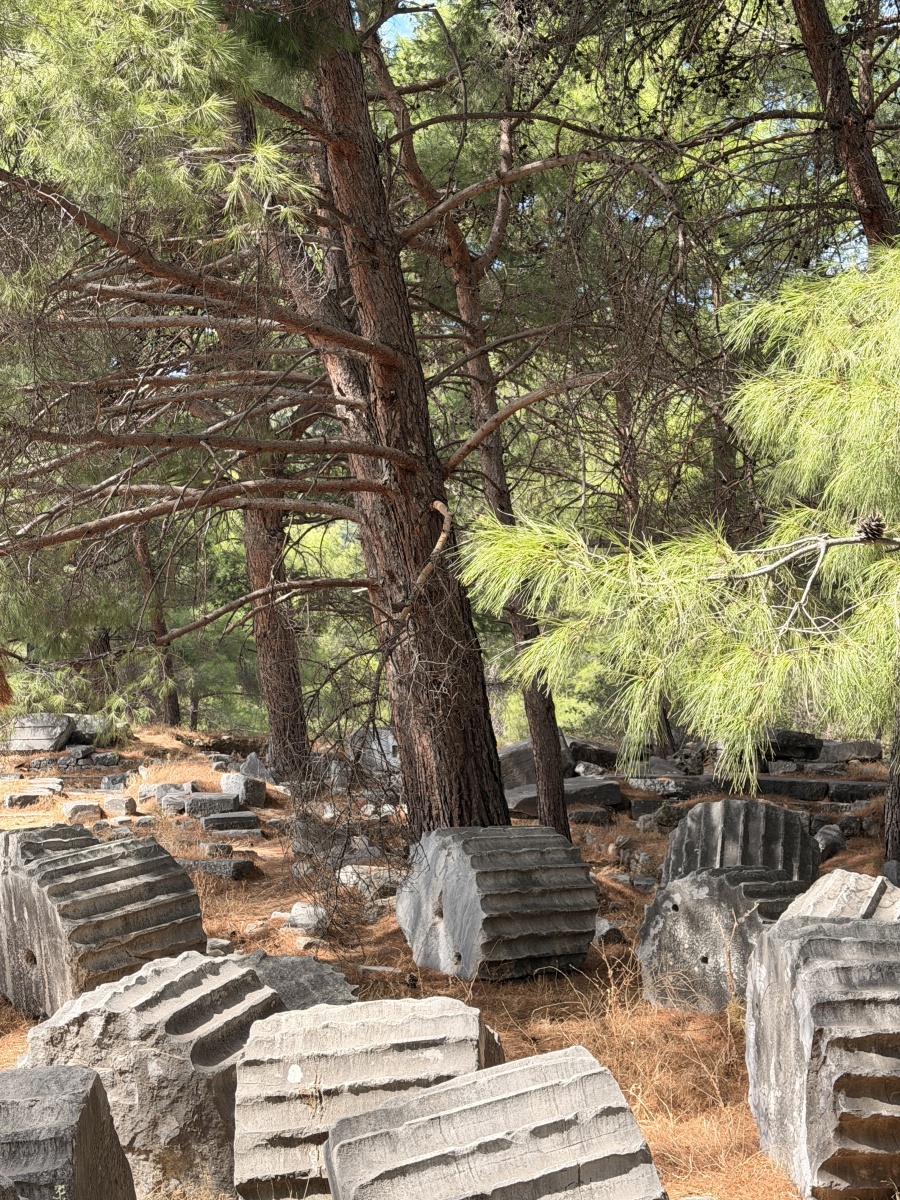
Above the city, high on the mountain, traces of an older sacred landscape hint at religious traditions that predate the Hellenistic city below. Beneath them, the Temple of Athena Polias became the spiritual center of Priene’s carefully planned streets and terraces. Dedicated by Alexander the Great during his campaign in Asia Minor, the temple stood as both a symbol of civic identity and a connection to the wider Greek world.
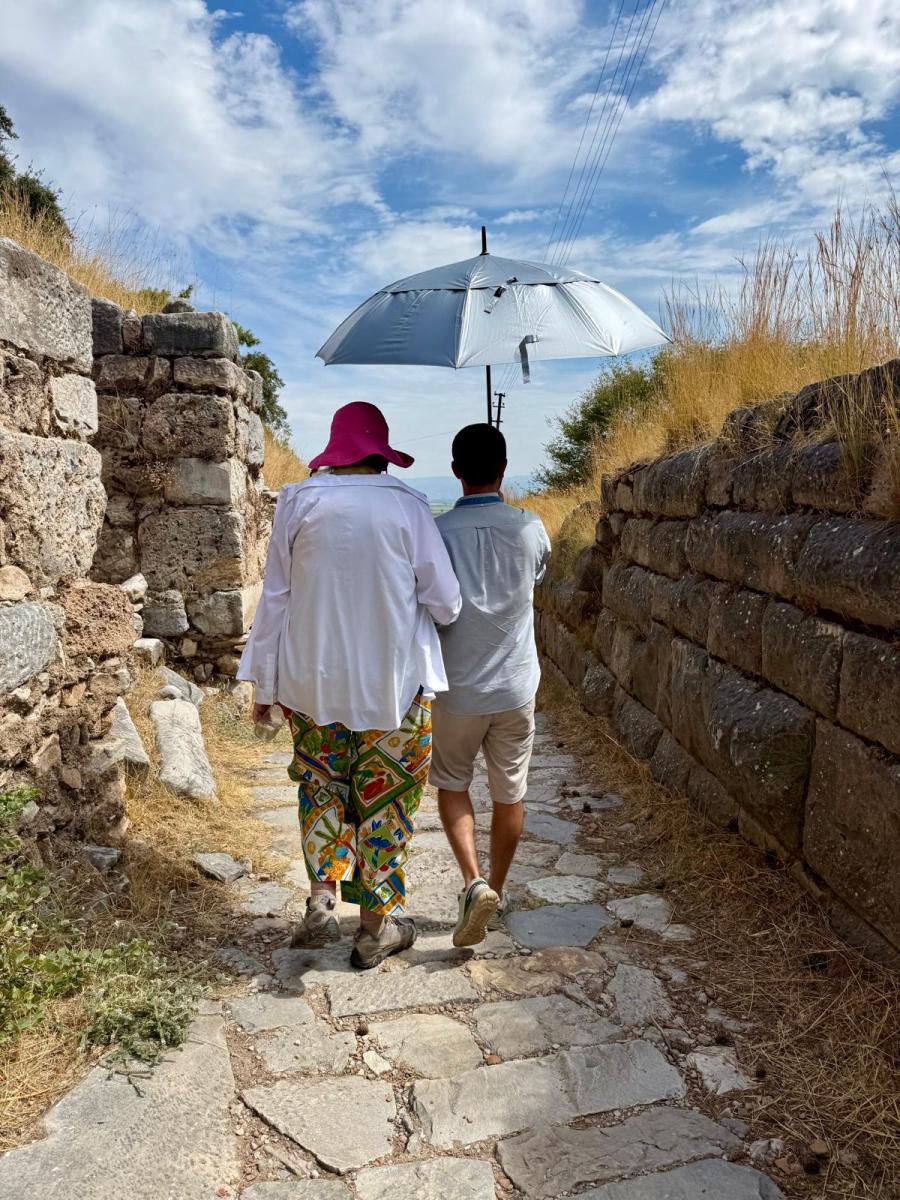
Today, visitors walk through remarkably intact streets, public buildings, and sanctuaries that still reflect the order and vision of the city’s planners. Surrounded by mountains, woodland, and silence, Priene offers a different experience from Ephesus. If Ephesus impresses through scale and grandeur, Priene invites contemplation. Its enduring legacy lies not only in its monuments, but in the rare opportunity to experience an ancient city that was allowed, quite simply, to grow still.
Starseed Türkiye Adventure 2026
By the end of the adventure, two different people insisted I was Turkish. I had to explain that I wasn’t, but I quietly took it as one of the greatest compliments I received.
I wasn’t the only one either.
Starseed Bhutan Adventure
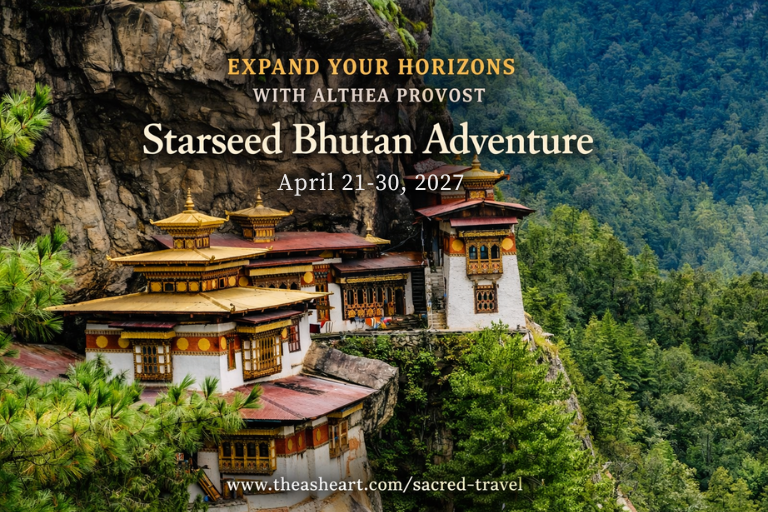
After Türkiye, our journey continues into the Himalayan Kingdom of Bhutan.
Ancient monasteries, mountain valleys, living spirituality, and a culture that continues to prioritize wellbeing over growth.
Think Deeper
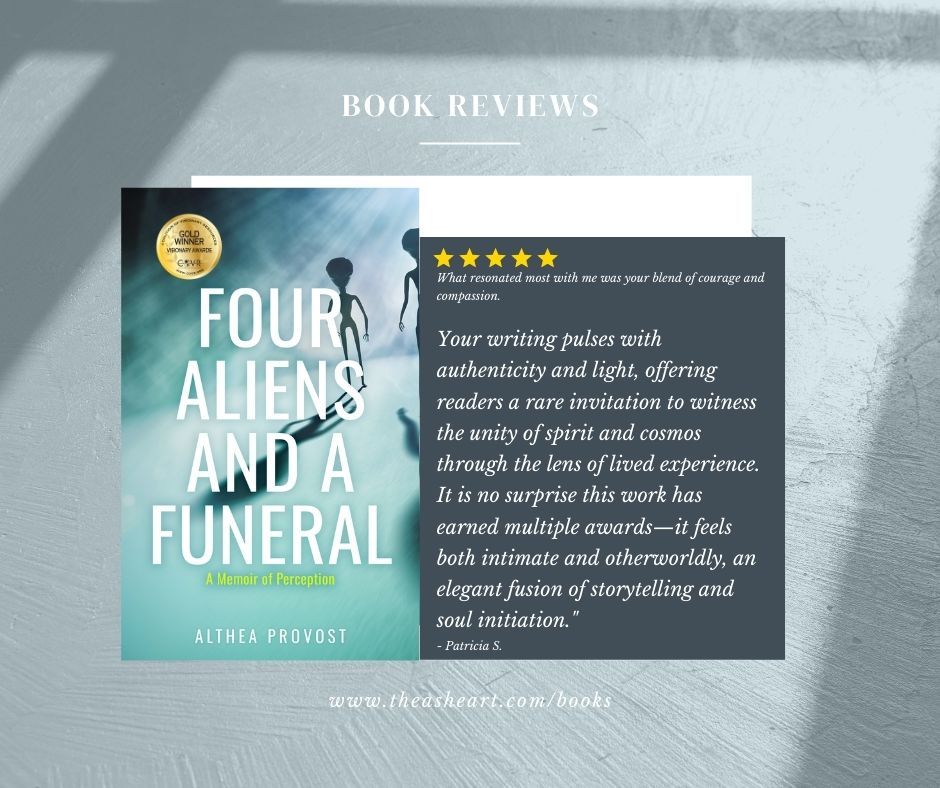
Many of the themes explored throughout the Starseed adventures also appear in Althea Provost’s book.
Four Aliens and a Funeral is a reflection on exploration, perspective, connection, and finding meaning in the unexpected moments along the way.
Stay Connected
Join our newsletter for priority access to Starseed Adventures, exclusive deals, classes, and more!